A group of living things
Mushroom fungi
Basidiomycota
Toadstools, brackets and crop rusts: fungi that make their spores on tiny clubs
This branch is shown at about 700 million years ago; its age is a rough estimate.
You and mushroom fungi meet in the Fungi and animals branch, shown at about 1.3 billion years ago (on 10 September, in a calendar from life's shared ancestor to today).
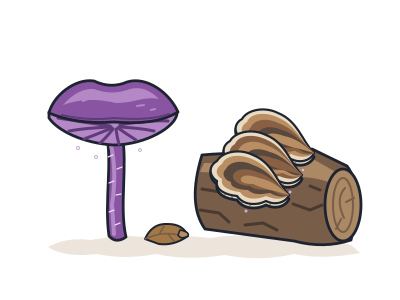
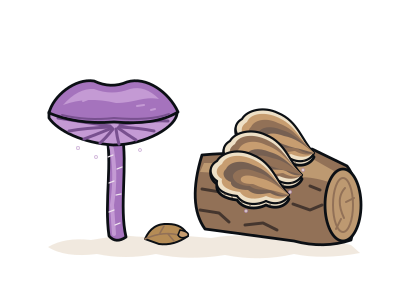
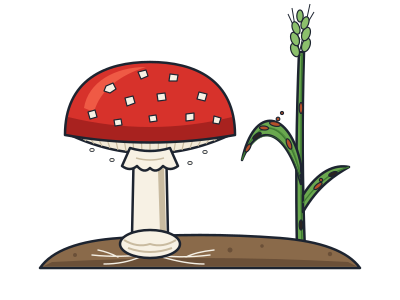
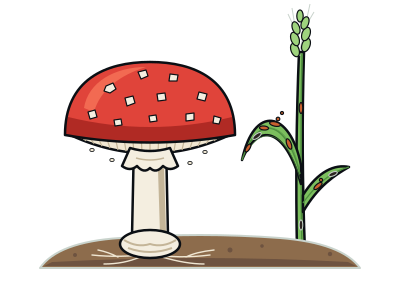
Look under a toadstool's cap and you'll see thin gills. They are lined with tiny club-shaped cells, far too small to see without a microscope. Each club usually holds four spores on little prongs. A droplet of water swells at the base of each spore, then suddenly flicks it into the air. Those spore-making clubs link this whole surprising group, although some members, like puffballs, have stopped firing their spores.
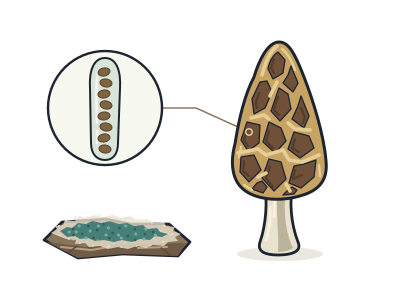
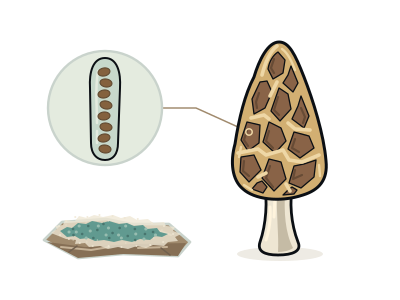
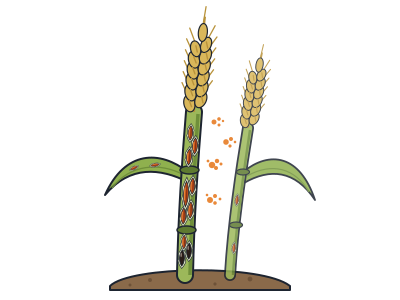
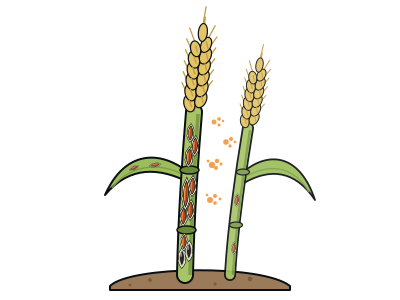
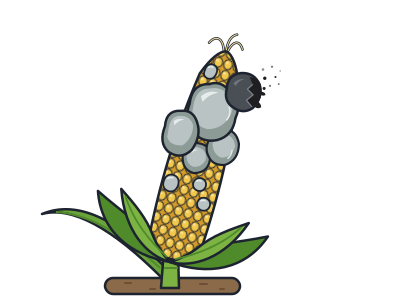
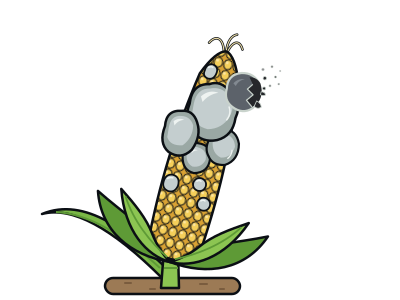
The group includes toadstools, supermarket button mushrooms, puffballs, jelly fungi and tough, shelf-shaped brackets on old logs. It also includes rusts and smuts, which look nothing like mushrooms. Wheat stem rust leaves long, brick-red, blister-like spots on wheat. Corn smut makes swollen lumps on maize that fill with blue-black spores. On the tree, this group sits beside the sac fungi, which include morels and truffles.
A mushroom is only the fruiting part of the fungus. The rest is a hidden web of fine threads in soil or wood. Many of these fungi rot dead wood. White-rot fungi are almost the only living things that can break down large amounts of lignin, the tough stuff that makes wood hard. Others team up with tree roots. The red-and-white fly agaric, for example, grows with birch and pine.
A super-powered launch
When a spore is fired, it can speed up at more than 10,000 times the pull of gravity, though it only leaves at about a slow walking pace. In 2005, scientists filmed spores at 100,000 frames per second to catch the launch.
A crop disease on the menu
In Mexico, young corn smut lumps are cooked and eaten as huitlacoche, a tradition that goes back to the Aztecs. People say it tastes earthy, like mushrooms, and slightly sweet.
A giant under the forest
A single honey fungus in Oregon, USA, spreads underground over about 9 square kilometres. Estimates of its age run from about 1,900 to 8,650 years, and it is often called the world's largest living thing.
Inside mushroom fungi
- Wheat stem rustRusty orange spots on wheat; this fungus has wrecked harvests since ancient Rome.
- Corn smutSwells corn kernels into grey blobs that are a pest to some farmers and a delicacy in Mexico.
- Mushrooms and bracketsThe fungi that build big bodies: caps, puffballs, shelves on trees and smelly cages.