A group of living things
Core waterbirds
Aequornithes
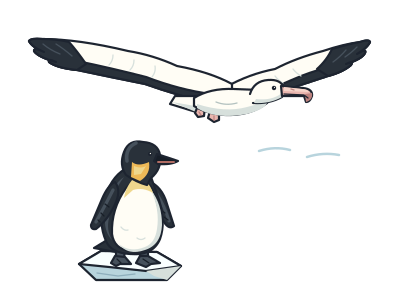
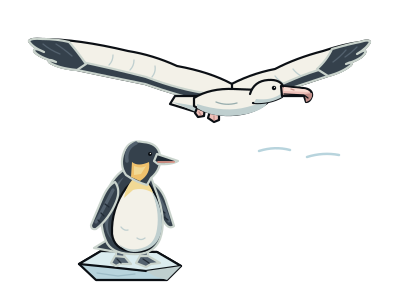
One family branch, very different wings.
This branch is shown at about 62 million years ago; its age is a rough estimate.
You and core waterbirds meet in the Amniotes branch, shown at about 320 million years ago (on 4 December, in a calendar from life's shared ancestor to today).
Penguins, albatrosses, pelicans and herons belong to one branch of the bird family tree, descended from a shared ancestor. Their very different shapes hide this connection, which several independent studies of DNA support. Storks, cormorants and spoonbills belong here too.
Compare a penguin with an albatross. A penguin cannot fly through the air. Instead, it pushes through water with wings shaped like flippers, steering with its feet and tail. An albatross flies on exceptionally long, narrow wings. These relatives show how differently wings can be used.
The name “core waterbirds” describes their family connection, not every bird found near water. Ducks, flamingos, gulls and auks sit on other branches. This group is also much larger than the handful of members pictured in this explorer.
Feathered swimmers
Penguins have short, overlapping feathers that form a waterproof coat, with a layer of fat beneath the skin for warmth.
Whiter with age
Wandering albatrosses generally become whiter as they grow older. Young birds are largely chocolate brown.
Surface meals
Wandering albatrosses eat mainly squid and fish, usually taking food at or near the sea surface.
Inside core waterbirds
- KumimanuA giant penguin about as tall as a person that lived just after the dinosaurs.
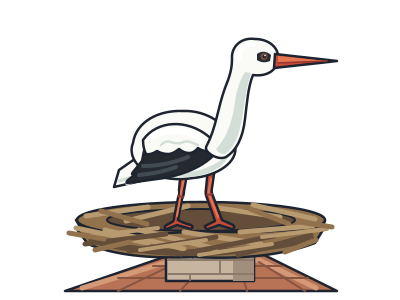
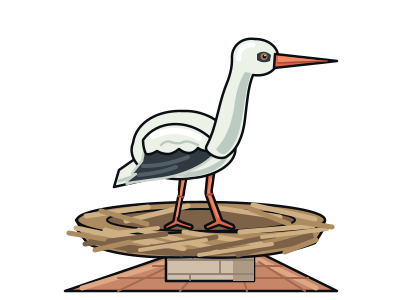
- White storkNests on rooftops; its migration puzzled people before they understood it.
- Common loonA deep-diving lake bird famous for its eerie, wailing call echoing across northern lakes.
- PenguinsFlightless seabirds whose wings became flippers; almost all of the 18 or so kinds live in the south.
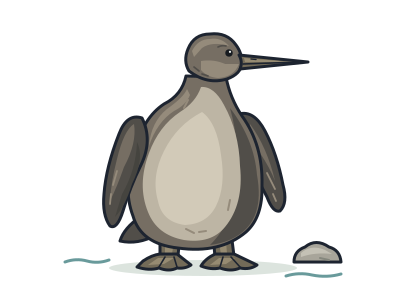
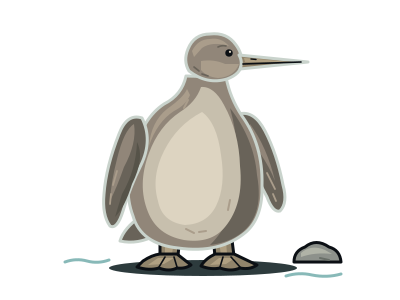
- WaimanuOne of the oldest penguins: an upright diving bird that still had wing bones like a flier.
- Albatrosses and petrelsOcean wanderers with tube-shaped nostrils that let them smell food across the sea.
- Pelicans, herons and ibisesBig-billed wading and fishing birds, from the shoebill to spoonbills.
- Gannets, cormorants and frigatebirdsFish-hunting seabirds that dive, swim or snatch their food.
Next to it on the tree
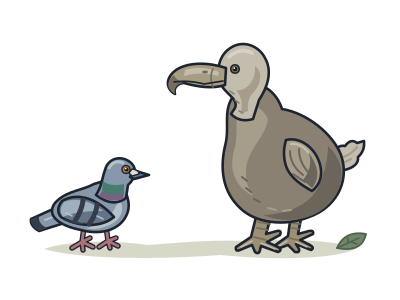
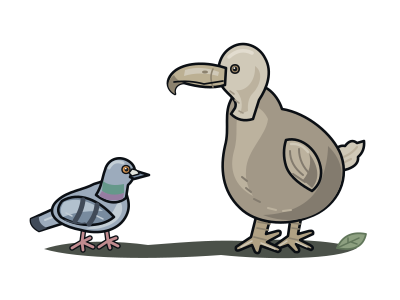
- Pigeons and dovesThe dodo was a giant ground pigeon.
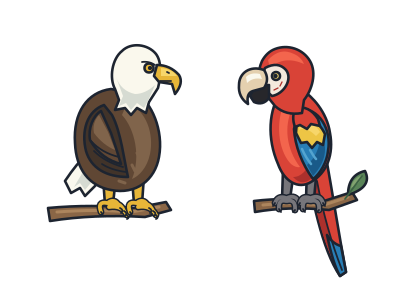
- Land birdsOwls, eagles, parrots and songbirds came from one ancestor, probably a predator.
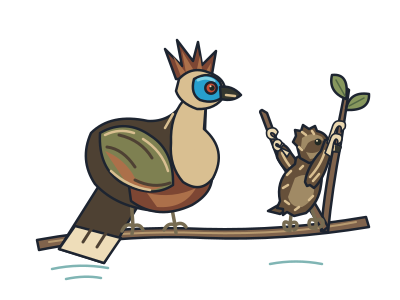
- HoatzinChicks have claws on their wings; adults ferment leaves in their gut like a cow.
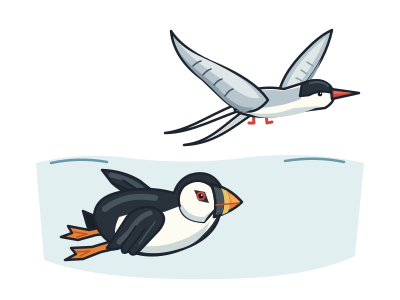
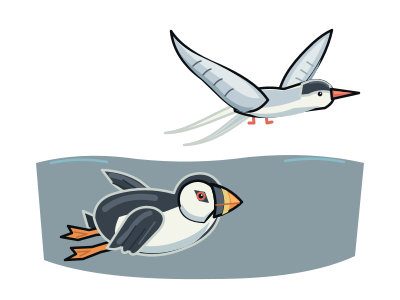
- Shorebirds, gulls and auksA varied group, from waders to gulls to puffins that 'fly' underwater.
- Flamingos and grebesFlamingos' closest relatives are grebes, diving birds that look nothing like them.
- Cuckoos, turacos and bustardsThree very different-looking families, from tree-hopping turacos to huge ground-striding bustards, share one ancestor.
- Nightjars, swifts and hummingbirdsHummingbirds and swifts descend from night-flying, insect-catching ancestors like nightjars.
- Cranes and railsStately cranes and secretive marsh rails are cousins.