A group of living things
Albatrosses and petrels
Procellariiformes
Ocean wanderers with tube-shaped nostrils that let them smell food across the sea.
This branch is shown at about 55 million years ago; its age is a rough estimate.
You and albatrosses and petrels meet in the Amniotes branch, shown at about 320 million years ago (on 4 December, in a calendar from life's shared ancestor to today).
AmniotesMammals and their ancestorsMammalsLive-bearing mammalsPlacental mammalsPrimates, rodents and rabbitsPrimatesApesGreat apesHumans and chimpanzeesHumanReptiles and birdsTurtles, crocodiles and birdsCrocodiles and dinosaursPterosaurs and dinosaursDinosaursLizard-hipped dinosaursTheropodsStiff-tailed theropodsFeathered theropodsRaptors and birdsBirdsAll other birdsNeoavesCore waterbirdsAlbatrosses and petrels
Ocean wanderers with tube-shaped nostrils that let them smell food across the sea.
The full page for Albatrosses and petrels is still being written and drawn.
Inside albatrosses and petrels
- Wandering albatrossThe widest wings of any living bird, over three metres, let it glide for hours.
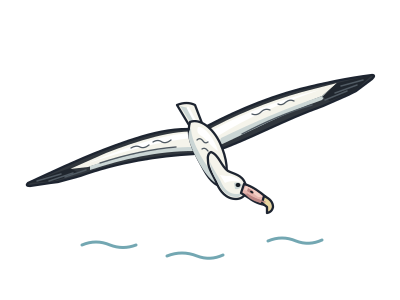
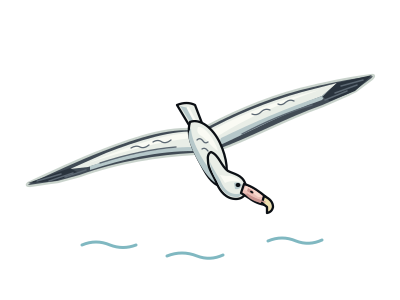
- Laysan albatrossIts famous resident Wisdom is the oldest known wild bird, still laying eggs past the age of 70.
- Wilson's storm petrelA sparrow-sized seabird that patters its feet on the waves as if walking on water.
Next to it on the tree
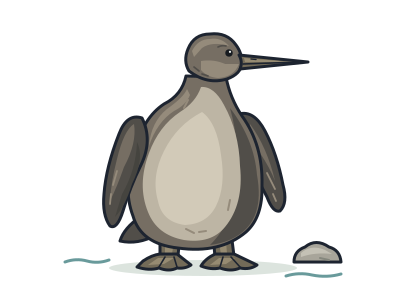
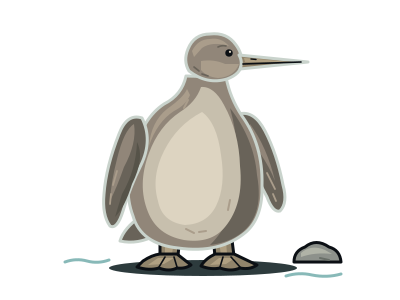
- KumimanuA giant penguin about as tall as a person that lived just after the dinosaurs.
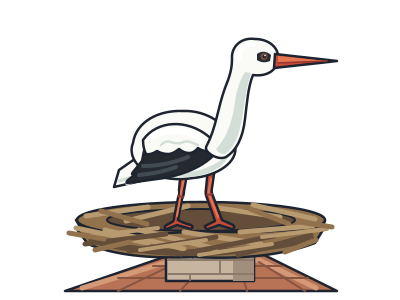
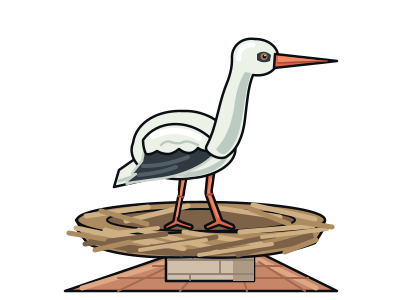
- White storkNests on rooftops; its migration puzzled people before they understood it.
- Common loonA deep-diving lake bird famous for its eerie, wailing call echoing across northern lakes.
- PenguinsFlightless seabirds whose wings became flippers; almost all of the 18 or so kinds live in the south.
- WaimanuOne of the oldest penguins: an upright diving bird that still had wing bones like a flier.
- Pelicans, herons and ibisesBig-billed wading and fishing birds, from the shoebill to spoonbills.
- Gannets, cormorants and frigatebirdsFish-hunting seabirds that dive, swim or snatch their food.