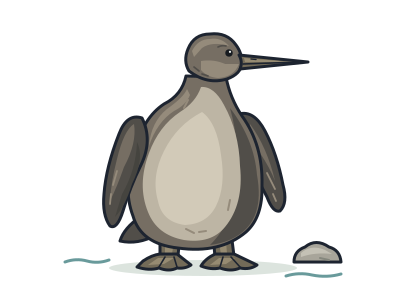
An extinct species
Kumimanu †
Kumimanu biceae
A person-height penguin from just after the non-bird dinosaurs
Lived about 59–56 million years ago.
You and the kumimanu meet in the Amniotes branch, shown at about 320 million years ago (on 4 December, in a calendar from life's shared ancestor to today).
This giant penguin was estimated to have stood about as tall as a person. Its fossil dates to the late Paleocene, roughly 59–56 million years ago, after the non-bird dinosaurs had disappeared. It was an early relative of emperor penguins, not simply a supersized version of one. Its branch lay outside the group containing all living penguins.
From an incomplete skeleton, researchers estimated a standing height of about 1.7 metres and a weight of about 100 kilograms. Large bones from several body regions showed that it was huge throughout its body, rather than having just one unusually large bone. The fossil preserved parts of its shoulders, wings, backbone and legs, but not a complete animal.
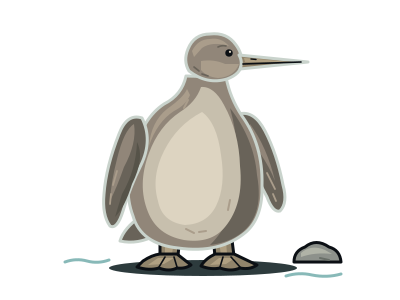
It was a sea-going penguin known from North Otago, on New Zealand’s South Island. The area had a much warmer climate than it does today: this was not a penguin of Antarctic ice. Its bones revealed something of its build, but its colours and markings remained unknown.
Monster bird
Its name combined Māori words for a large mythical monster and a bird, commonly translated as ‘monster bird’.
A long wait in rock
The fossil-bearing rock was found in 2004. It sat on a shelf for years before work to free the bones began in 2015.
Giants more than once
Its discovery supported the finding that giant size evolved more than once among penguins, rather than in a single giant-only branch.
Next to it on the tree
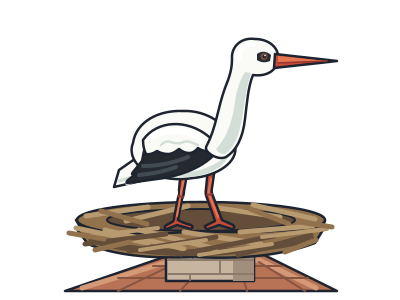
- White storkNests on rooftops; its migration puzzled people before they understood it.
- Common loonA deep-diving lake bird famous for its eerie, wailing call echoing across northern lakes.
- PenguinsFlightless seabirds whose wings became flippers; almost all of the 18 or so kinds live in the south.
- WaimanuOne of the oldest penguins: an upright diving bird that still had wing bones like a flier.
- Albatrosses and petrelsOcean wanderers with tube-shaped nostrils that let them smell food across the sea.
- Pelicans, herons and ibisesBig-billed wading and fishing birds, from the shoebill to spoonbills.
- Gannets, cormorants and frigatebirdsFish-hunting seabirds that dive, swim or snatch their food.