A species
Common loon
Gavia immer
A deep-diving lake bird famous for its eerie, wailing call echoing across northern lakes.
You and the common loon meet in the Amniotes branch, shown at about 320 million years ago (on 4 December, in a calendar from life's shared ancestor to today).
AmniotesMammals and their ancestorsMammalsLive-bearing mammalsPlacental mammalsPrimates, rodents and rabbitsPrimatesApesGreat apesHumans and chimpanzeesHumanReptiles and birdsTurtles, crocodiles and birdsCrocodiles and dinosaursPterosaurs and dinosaursDinosaursLizard-hipped dinosaursTheropodsStiff-tailed theropodsFeathered theropodsRaptors and birdsBirdsAll other birdsNeoavesCore waterbirdsCommon loon
A deep-diving lake bird famous for its eerie, wailing call echoing across northern lakes.
The full page for Common loon is still being written and drawn.
Next to it on the tree
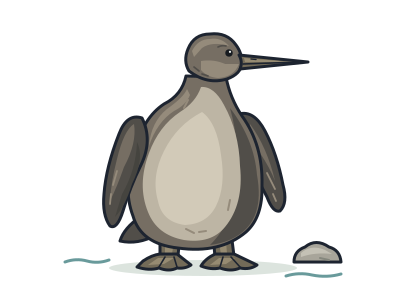
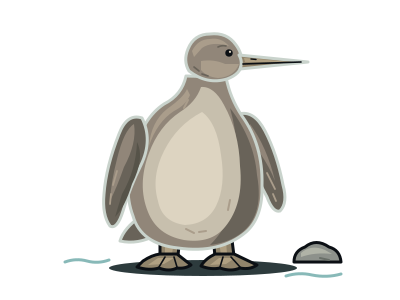
- KumimanuA giant penguin about as tall as a person that lived just after the dinosaurs.
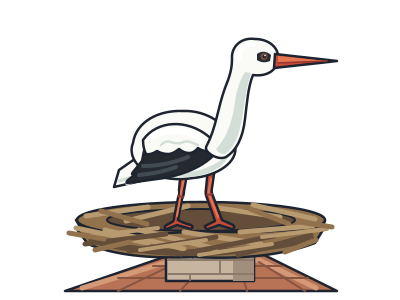
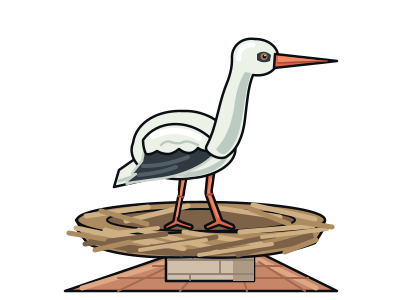
- White storkNests on rooftops; its migration puzzled people before they understood it.
- PenguinsFlightless seabirds whose wings became flippers; almost all of the 18 or so kinds live in the south.
- WaimanuOne of the oldest penguins: an upright diving bird that still had wing bones like a flier.
- Albatrosses and petrelsOcean wanderers with tube-shaped nostrils that let them smell food across the sea.
- Pelicans, herons and ibisesBig-billed wading and fishing birds, from the shoebill to spoonbills.
- Gannets, cormorants and frigatebirdsFish-hunting seabirds that dive, swim or snatch their food.