A species
Hoatzin
Opisthocomus hoazin
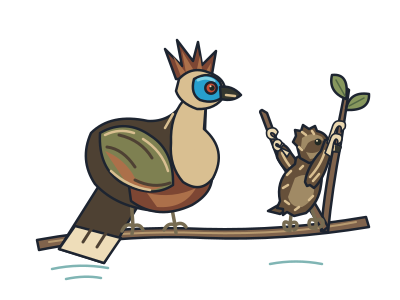
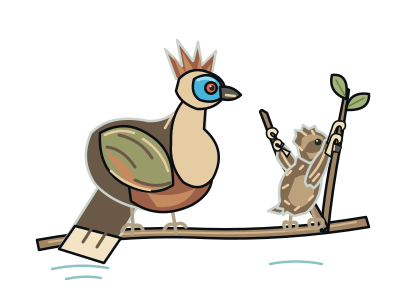
Clawed chicks, cow-like digestion
You and the hoatzin meet in the Amniotes branch, shown at about 320 million years ago (on 4 December, in a calendar from life's shared ancestor to today).
Hoatzin chicks have claws on their wings, while adults digest leaves in a way that resembles a cow. The cow comparison is about feeding, not family. The hoatzin is the only living species in its own major bird group, rather than a kind of pheasant or cuckoo.
Each chick has two claws on each wing. Before it can fly, these help it climb among branches. If threatened, a chick may drop into the water and swim away, then climb back into the vegetation. Its wings are useful climbing tools long before they carry it through the air.
Adults rely on fermentation: tiny living things break down plant food before it reaches the stomach. This happens mainly in an enlarged crop, a pouch along the food passage. So although the comparison with a cow fits the process, the bird does not have a cow-style stomach. Look for hoatzins in waterside trees and shrubs in tropical South America.
A colourful face
Adults have vivid blue bare skin around red eyes, topped by a spiky reddish-brown crest.
Matching feathers
Males and females have very similar feather colours and patterns.
Local pressures
Habitat loss threatens some local populations.
Next to it on the tree
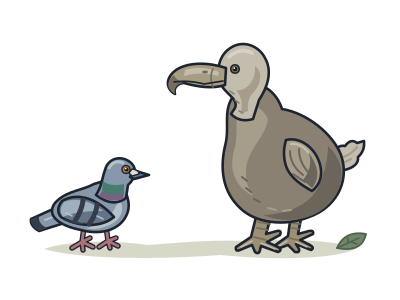
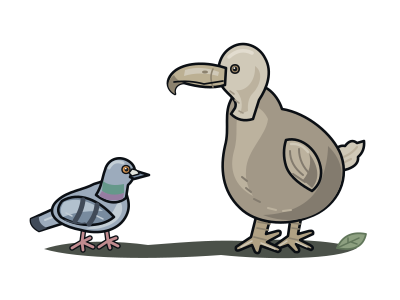
- Pigeons and dovesThe dodo was a giant ground pigeon.
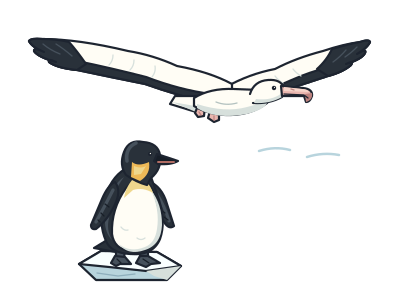
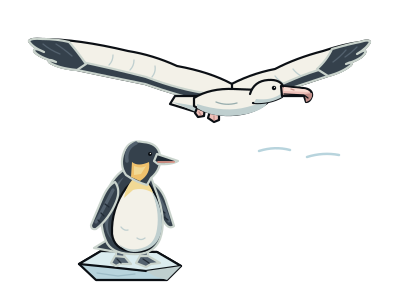
- Core waterbirdsPenguins, albatrosses, pelicans and herons share one ancestor.
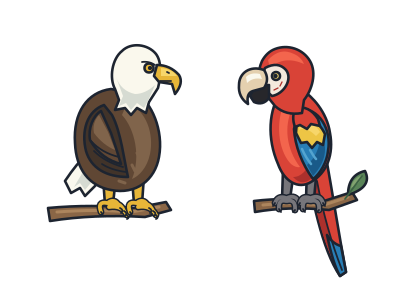
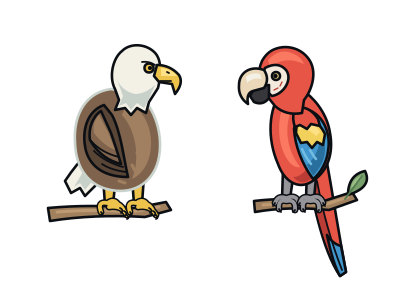
- Land birdsOwls, eagles, parrots and songbirds came from one ancestor, probably a predator.
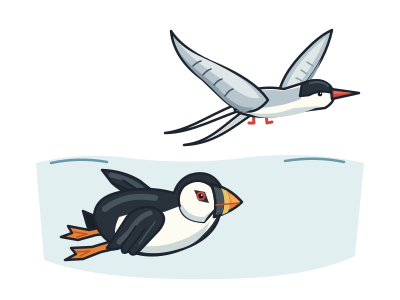
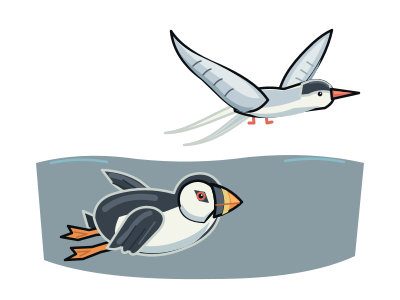
- Shorebirds, gulls and auksA varied group, from waders to gulls to puffins that 'fly' underwater.
- Flamingos and grebesFlamingos' closest relatives are grebes, diving birds that look nothing like them.
- Cuckoos, turacos and bustardsThree very different-looking families, from tree-hopping turacos to huge ground-striding bustards, share one ancestor.
- Nightjars, swifts and hummingbirdsHummingbirds and swifts descend from night-flying, insect-catching ancestors like nightjars.
- Cranes and railsStately cranes and secretive marsh rails are cousins.