A group of living things
Flamingos and grebes
Mirandornithes
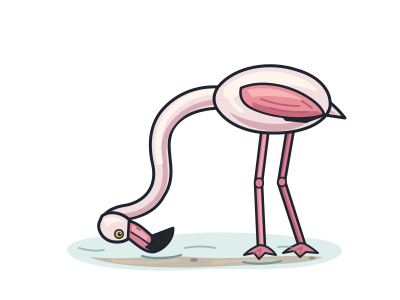
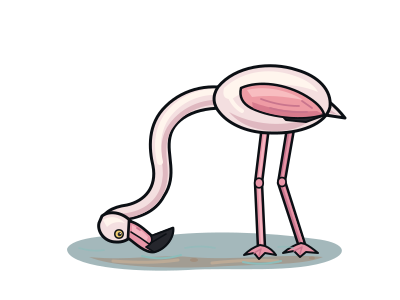
Flamingos' closest relatives are grebes, diving birds that look nothing like them.
This branch is shown at about 54 million years ago; its age is a rough estimate.
You and flamingos and grebes meet in the Amniotes branch, shown at about 320 million years ago (on 4 December, in a calendar from life's shared ancestor to today).
AmniotesMammals and their ancestorsMammalsLive-bearing mammalsPlacental mammalsPrimates, rodents and rabbitsPrimatesApesGreat apesHumans and chimpanzeesHumanReptiles and birdsTurtles, crocodiles and birdsCrocodiles and dinosaursPterosaurs and dinosaursDinosaursLizard-hipped dinosaursTheropodsStiff-tailed theropodsFeathered theropodsRaptors and birdsBirdsAll other birdsNeoavesFlamingos and grebes
Flamingos' closest relatives are grebes, diving birds that look nothing like them.
The full page for Flamingos and grebes is still being written and drawn.
Inside flamingos and grebes
Next to it on the tree
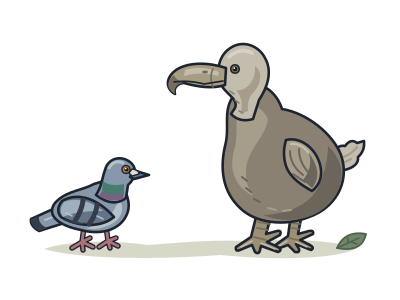
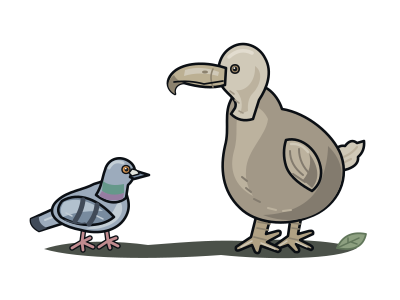
- Pigeons and dovesThe dodo was a giant ground pigeon.
- Core waterbirdsPenguins, albatrosses, pelicans and herons share one ancestor.
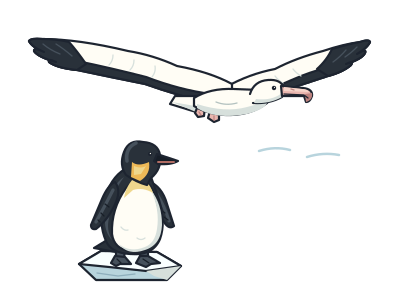
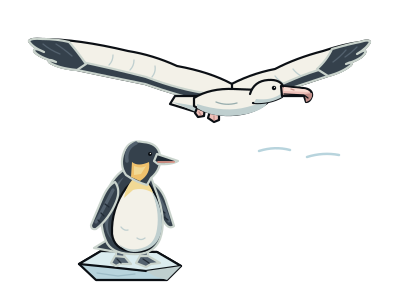
- Land birdsOwls, eagles, parrots and songbirds came from one ancestor, probably a predator.
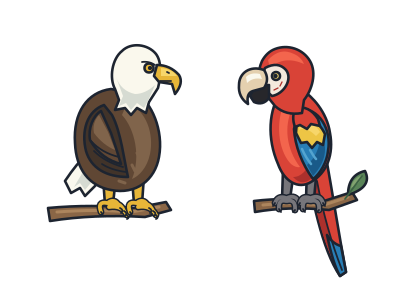
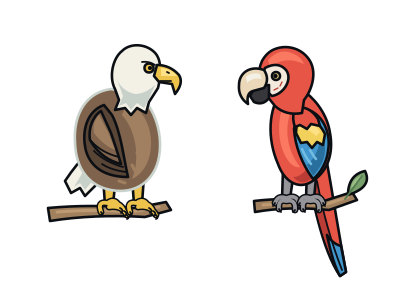
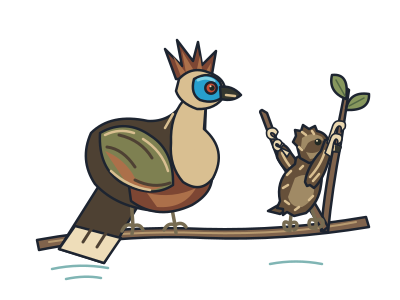
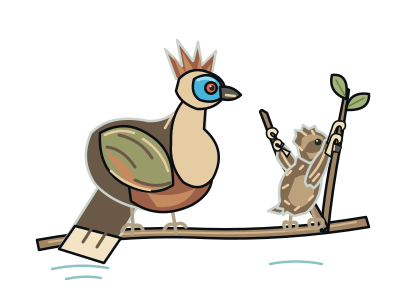
- HoatzinChicks have claws on their wings; adults ferment leaves in their gut like a cow.
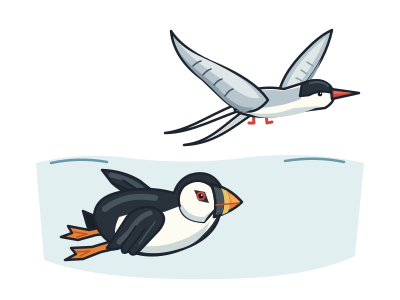
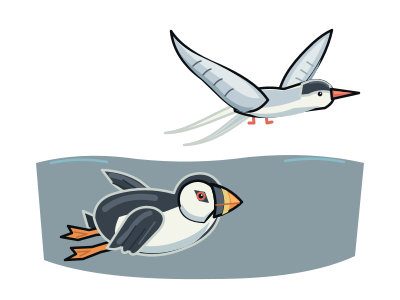
- Shorebirds, gulls and auksA varied group, from waders to gulls to puffins that 'fly' underwater.
- Cuckoos, turacos and bustardsThree very different-looking families, from tree-hopping turacos to huge ground-striding bustards, share one ancestor.
- Nightjars, swifts and hummingbirdsHummingbirds and swifts descend from night-flying, insect-catching ancestors like nightjars.
- Cranes and railsStately cranes and secretive marsh rails are cousins.