A group of living things
Pine family
Pinaceae
Pines, spruces, firs and cedars: the trees of the great northern forests
This branch is shown at about 150 million years ago; its age is a rough estimate.
You and pine family meet in the Eukaryotes branch, shown at about 1.8 billion years ago (on 28 July, in a calendar from life's shared ancestor to today).
Pines, spruces, firs and cedars all belong to one big family. So do larches, hemlocks and Douglas-firs. Together they are the main conifers of the northern forests. With about 220 to 250 species, this is the largest conifer family of all.
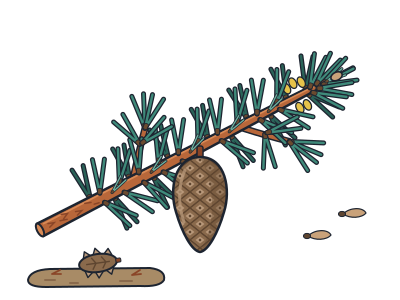
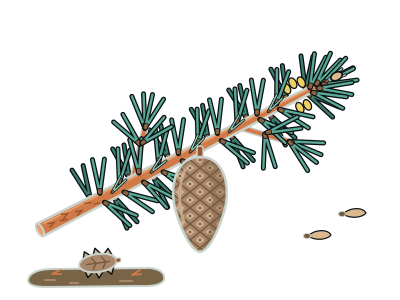
Most members are evergreen trees with needle-like leaves that grow in a spiral. Their cones are woody, and each cone scale usually holds two seeds with papery wings. Some are twisted trees only about 2 metres tall. Others are giants about 100 metres tall, about as tall as a football pitch is long.
Here is the surprise: not every 'pine' is in the pine family. The monkey puzzle and the Wollemi pine sit beside it on the tree, but they belong to other conifer families, and so do redwoods and yews. They are relatives, not members. Names can mislead the other way too. The Douglas-fir is in this family, but it is not a true fir.
These trees rule the taiga, the cold forest that stretches across Canada, Alaska, Scandinavia and Russia. It is the largest land habitat on Earth and covers more than a tenth of all land. Its trees store huge amounts of carbon.
Older than the pyramids
Great Basin bristlecone pines can live for thousands of years. One tree in California, nicknamed 'Methuselah', has growth rings going back to about 2800 BC, so it is nearly 5,000 years old.
The forest at the top of the world
The world's northernmost forest grows on Russia's Taimyr Peninsula and is made of Dahurian larch. Larches are unusual in this family because they drop all their needles every year.
Sticky armour
Members of this family protect themselves from insects and fungi with resin and other chemicals. The family also provides much of the world's commercial timber and resin.
Inside pine family
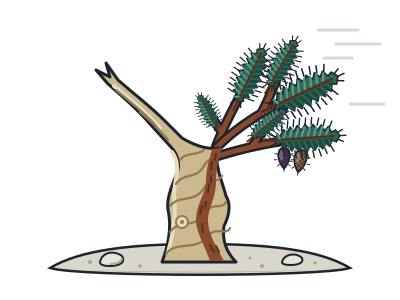
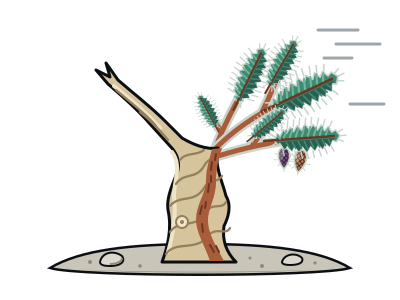
- Bristlecone pineA twisted mountain pine; one living tree is more than 4,800 years old.
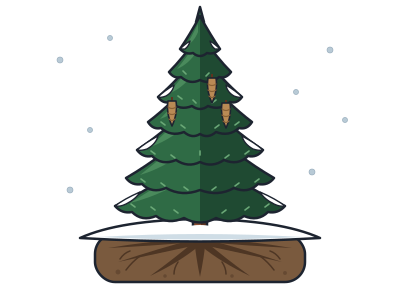
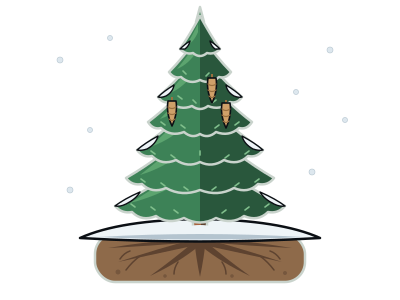
- Norway spruceThe classic Christmas tree; one Swedish spruce has roots nearly 10,000 years old.
- Cedar of LebanonA broad, layered mountain tree prized in ancient times and shown on Lebanon's flag.
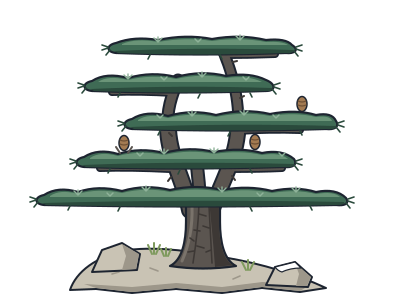
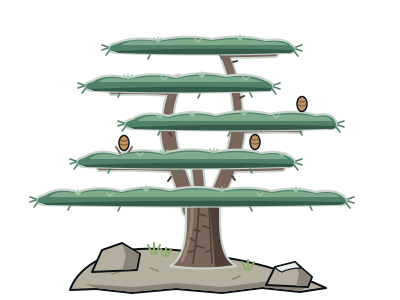
- European larchA conifer that turns gold and drops all its needles each autumn.
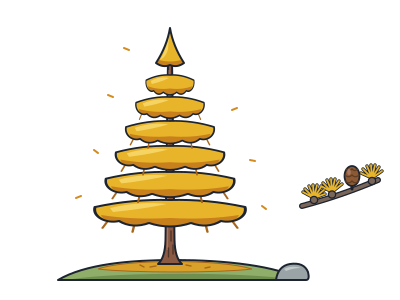
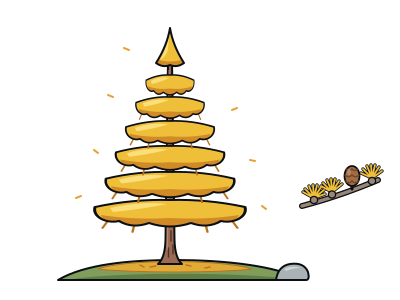
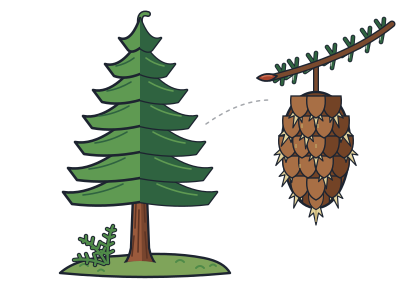
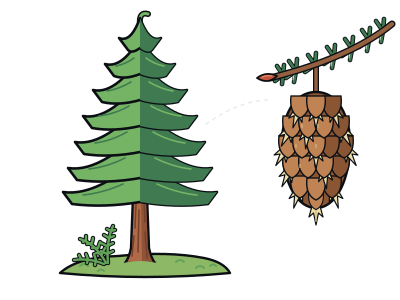
- Douglas firA towering timber tree of the Pacific Northwest whose cones have mouse-tail bracts.
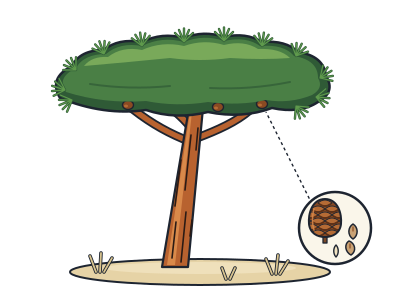
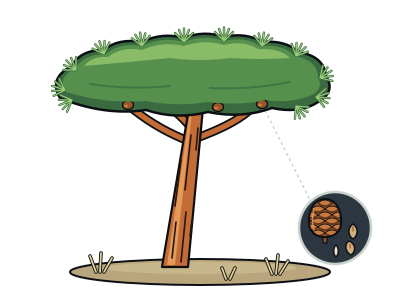
- Stone pineThe umbrella-shaped Mediterranean pine that gives us pine nuts.
Next to it on the tree
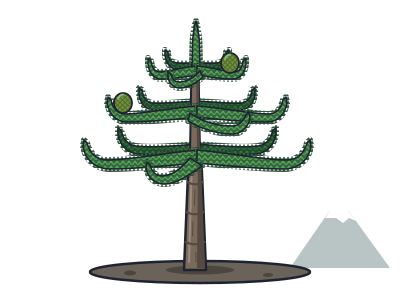
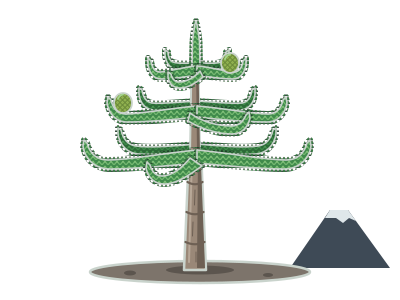
- Monkey puzzleSpiky branches covered in sharp scales; its family was already old when dinosaurs walked.
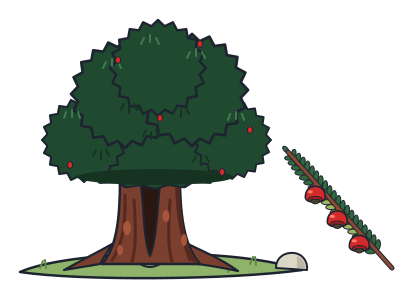
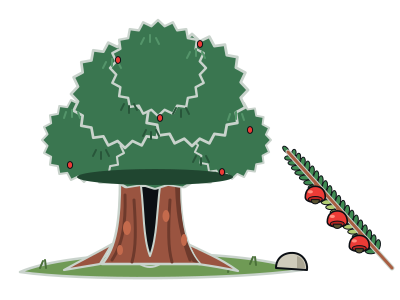
- English yewAlmost every part is poisonous, yet it gave us a cancer drug; some trees are thousands of years old.
- Wollemi pineKnown only from fossils until 1994, when a few trees were found in an Australian canyon.
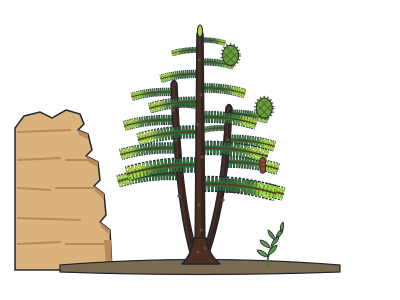
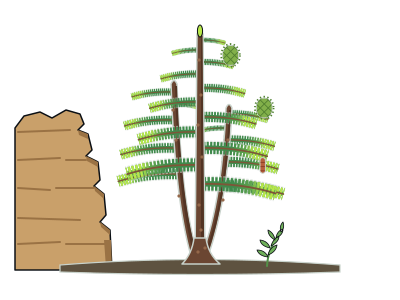
- KauriA giant New Zealand conifer; the biggest living one, Tāne Mahuta, may be 2,000 years old.
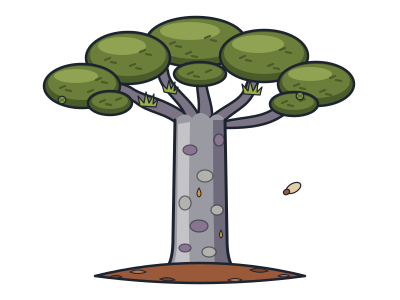
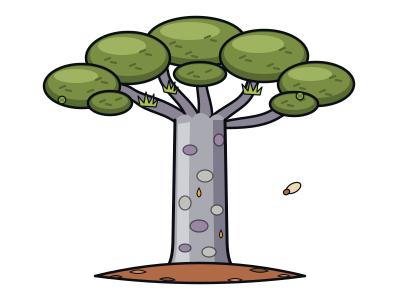
- Cypress familyJunipers, cypresses and redwoods: the conifer family found on every continent but Antarctica.