A species
Stone pine
Pinus pinea
The umbrella-shaped Mediterranean pine that gives us pine nuts
You and the stone pine meet in the Eukaryotes branch, shown at about 1.8 billion years ago (on 28 July, in a calendar from life's shared ancestor to today).
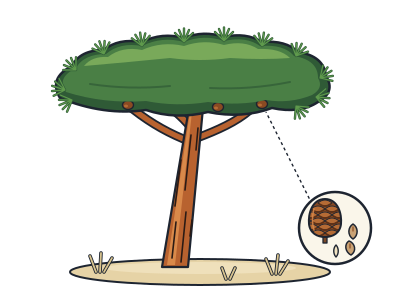
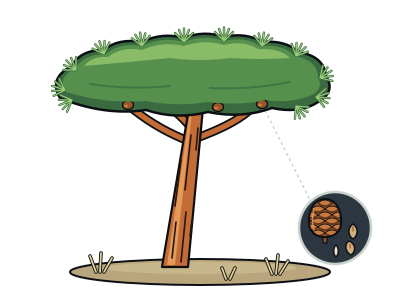
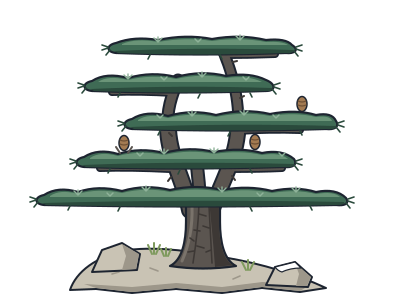
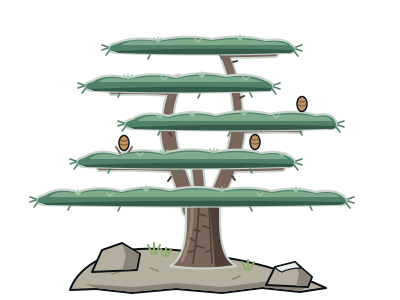
Picture a tall, bare trunk topped by a wide, flat green umbrella. That is the stone pine, the Mediterranean tree that gives us most traditional pine nuts. Those 'nuts' are really its seeds, which grow inside its big, heavy cones.
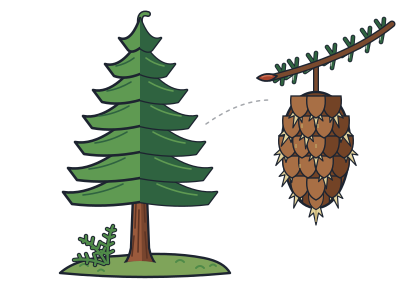
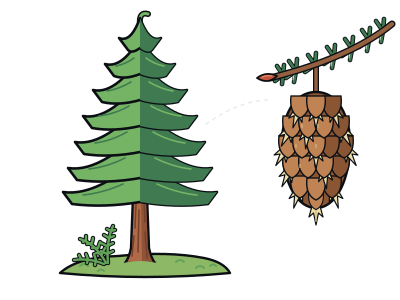
It is a true pine. That puts it in the pine family alongside spruces, cedars, larches and Douglas firs, and among its fellow pines is the bristlecone pine. Yet it stands a little apart: many experts place it alone in its own small group within the pines. Most pine seeds are small and have wings that help them drift on the wind. The stone pine's seeds are big and almost wingless, so they drop to the ground or are carried off by birds, rodents and, most of all, people.
Humans have grown it for its tasty seeds for at least 6,000 years. Etruscans, Greeks, Romans and Arabs planted it widely, and today it lines ancient Roman roads such as the Appian Way. It likes hot, dry summers and sandy soil, often near the coast. A young tree is a bushy ball. Only with age does it spread into its famous umbrella, which can be more than 8 metres wide.
A slow cook
Its cones take about three years to ripen. One expert database says that is longer than any other pine.
Nearly identical everywhere
Although it grows right around the Mediterranean, the stone pine has unusually little genetic variety. In a study of 34 populations, nearly all shared the same type of chloroplast DNA, a small set of genes found in the parts of plant cells that use sunlight to make food.
Tough against fire
Thick bark and a leafy crown held high above the ground mean fire harms it less than many other pines.
Next to it on the tree
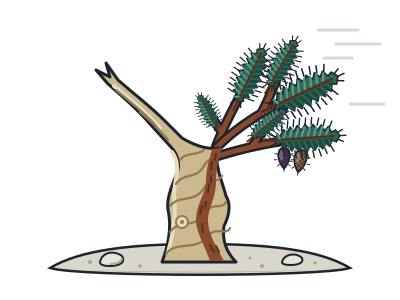
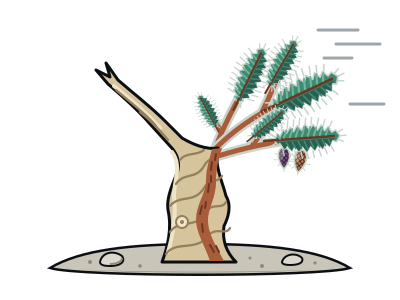
- Bristlecone pineA twisted mountain pine; one living tree is more than 4,800 years old.
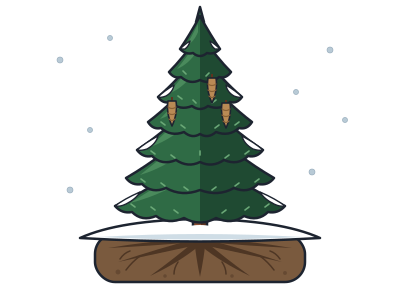
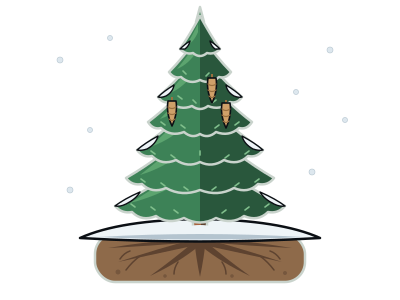
- Norway spruceThe classic Christmas tree; one Swedish spruce has roots nearly 10,000 years old.
- Cedar of LebanonA broad, layered mountain tree prized in ancient times and shown on Lebanon's flag.
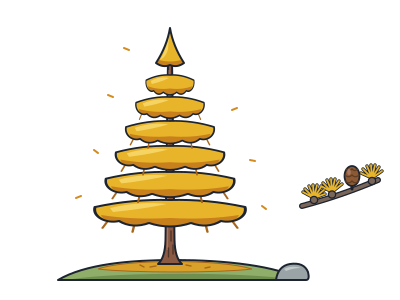
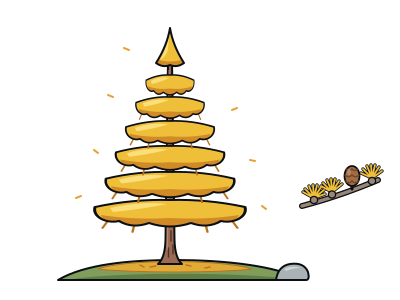
- European larchA conifer that turns gold and drops all its needles each autumn.
- Douglas firA towering timber tree of the Pacific Northwest whose cones have mouse-tail bracts.