A group of living things
Conifers
Pinidae
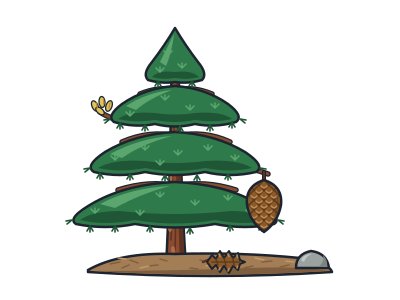
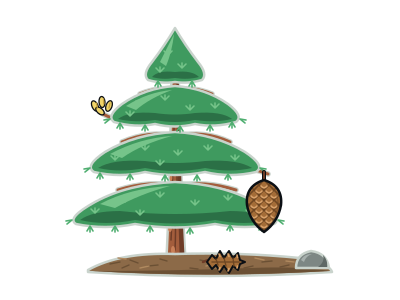
Cone-bearing trees that include the tallest, biggest and oldest trees on Earth
This branch is shown at about 240 million years ago; its age is a rough estimate.
You and conifers meet in the Eukaryotes branch, shown at about 1.8 billion years ago (on 28 July, in a calendar from life's shared ancestor to today).
Conifers are cone-bearing trees and shrubs with leaves shaped like needles or tiny scales, and they hold the tree world's biggest records. The tallest known tree is a coast redwood in California called Hyperion. It is about 116 metres high, roughly as tall as a 35-storey building. The biggest tree by volume is a giant sequoia called General Sherman. Its trunk holds about 1,487 cubic metres of wood, enough to fill more than half an Olympic swimming pool. The oldest known tree is a bristlecone pine named Methuselah. It is about 4,800 years old.
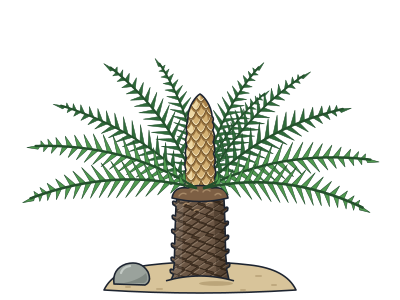
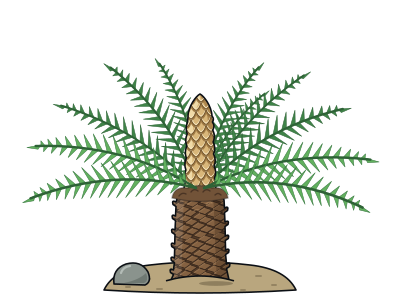
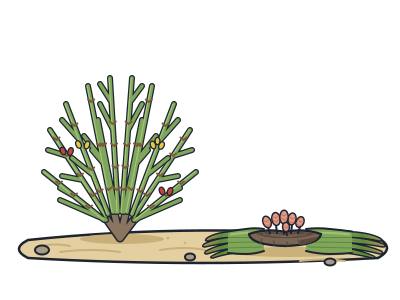
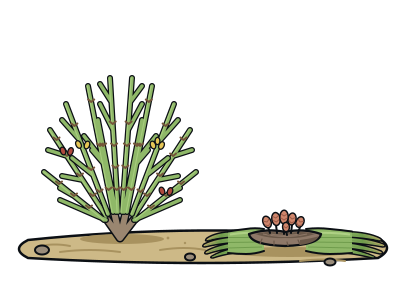
On the tree of life, conifers sit beside the sago palm (a cycad, not a real palm), the ginkgo and an odd desert plant called Welwitschia. Conifers have no flowers or fruit. Most hold their seeds out in the open on the scales of a cone. The wind carries pollen from small pollen cones to the seed cones, and most species carry both kinds of cone on the same tree.
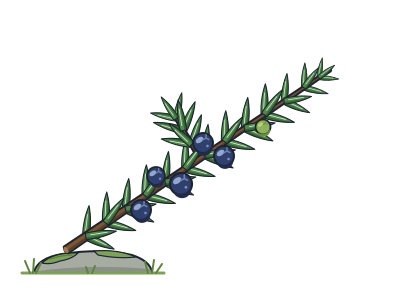
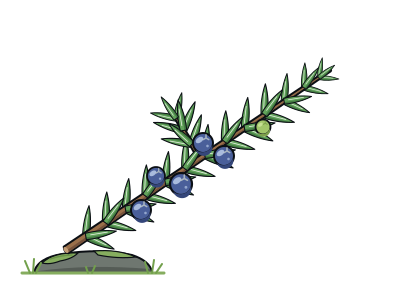
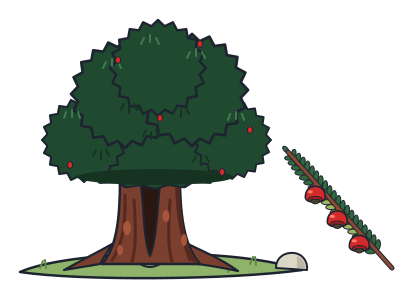
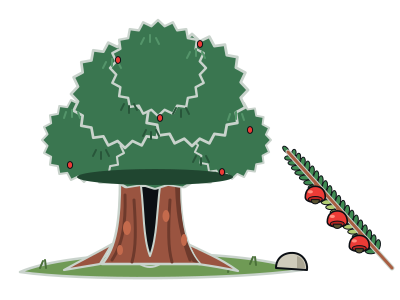
Not every conifer fits the usual picture. Larches and the dawn redwood drop their needles every year. Yews hold a single seed in a red, fleshy cup, and juniper 'berries' are really tiny cones with soft, joined-up scales.
Conifer-like fossils go back more than 300 million years. Conifers were among the main plants in the age of dinosaurs. They became less common as flowering plants spread.
Pocket-sized conifer
The smallest conifer, New Zealand's pygmy pine, rarely grows taller than about 30 centimetres, which is about the length of a school ruler.
A tree's worth of wood every year
A grown-up giant sequoia adds enough new wood each year to make a whole tree about 18 metres tall.
Needles that last for decades
Bristlecone pine needles can stay on a branch for more than 40 years. Their wood is full of resin, which helps keep pests and disease out.
Inside conifers
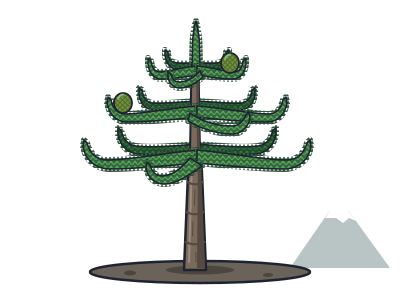
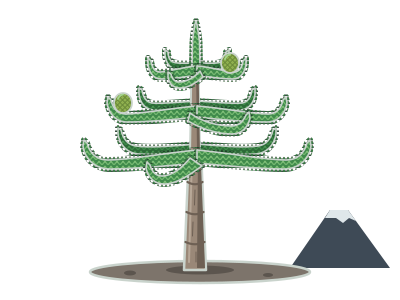
- Monkey puzzleSpiky branches covered in sharp scales; its family was already old when dinosaurs walked.
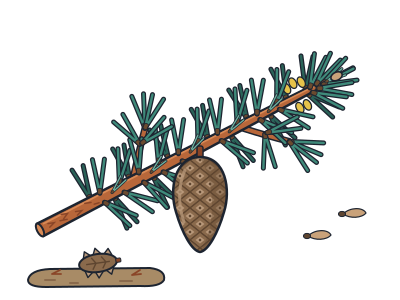
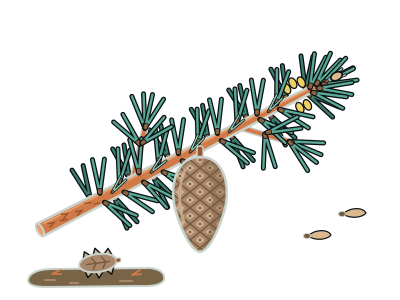
- Pine familyPines, spruces, firs and cedars: the conifers of northern forests.
- English yewAlmost every part is poisonous, yet it gave us a cancer drug; some trees are thousands of years old.
- Wollemi pineKnown only from fossils until 1994, when a few trees were found in an Australian canyon.
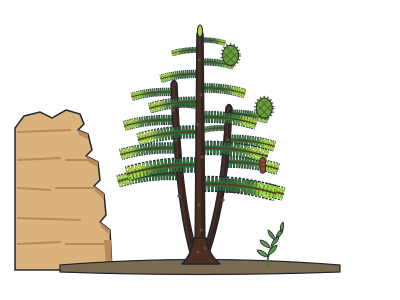
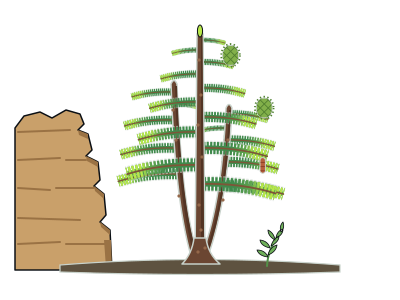
- KauriA giant New Zealand conifer; the biggest living one, Tāne Mahuta, may be 2,000 years old.
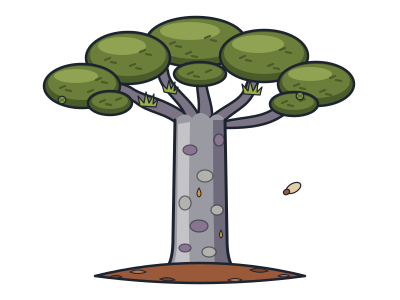
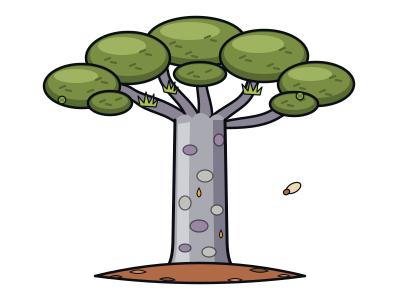
- Cypress familyJunipers, cypresses and redwoods: the conifer family found on every continent but Antarctica.