A group of living things
Parrots
Psittaciformes
Clever birds with gripping feet and powerful curved beaks
This branch is shown at about 35 million years ago; its age is a rough estimate.
You and parrots meet in the Amniotes branch, shown at about 320 million years ago (on 4 December, in a calendar from life's shared ancestor to today).
Clever, long-lived parrots have powerful curved beaks and feet that grip food. DNA shows that parrots and perching birds are each other's nearest relatives among the major living bird branches.
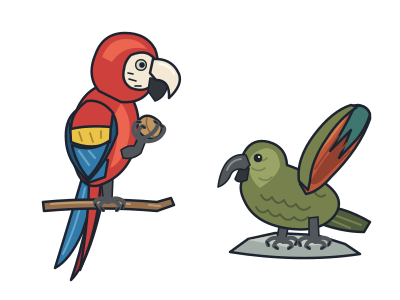
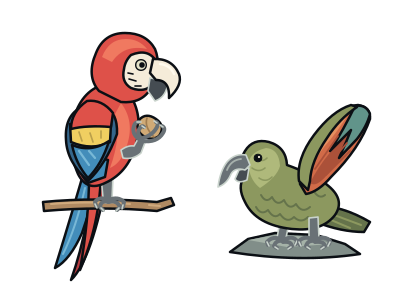
Look at a parrot's foot: two toes point forwards and two point backwards. That arrangement helps hold a meal steady. Macaws use their strong beaks to crush nuts and seeds. Kea show another side of parrot life. These curious birds play, investigate unfamiliar objects and work out how things function.
Parrots are not just tropical rainforest birds. Different species live in grasslands, deserts, mountains and suburban gardens too. Nor do they all have the same lifespan. Some individuals live beyond 80 years, but those are exceptional ages, not what every parrot can expect. A study using zoo records estimated an average of about 30 years for scarlet macaws. That is not a measured wild average.
More than seeds
Depending on the species, parrots eat fruit, flowers, nectar and pollen too. Some also eat insects and other small animals.
Calls carry messages
Parrot calls can warn of danger, signal food locations or tell parents that a chick wants food.
Not every nest is in a tree
Many parrots nest in tree hollows, but some species use ground sites or termite mounds.
Inside parrots
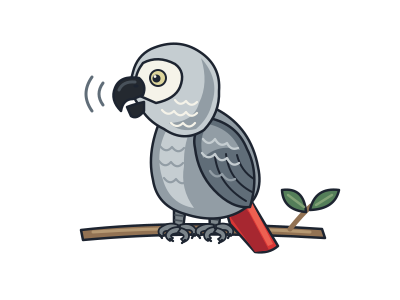
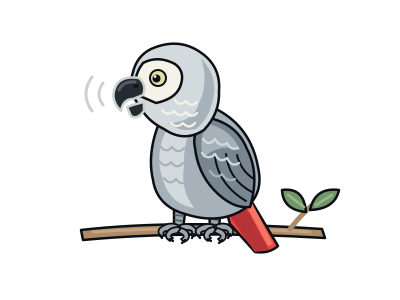
- African grey parrotCan learn hundreds of words and use some of them to answer questions.
- KeaA mountain parrot from New Zealand famous for solving puzzles and taking apart cars.
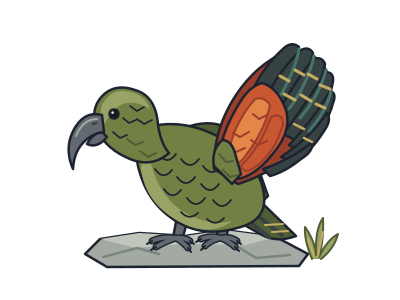
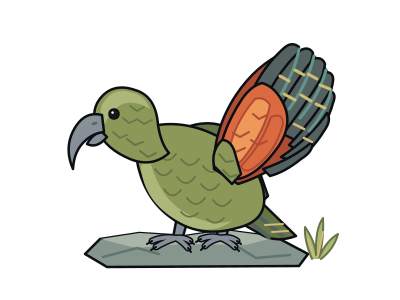
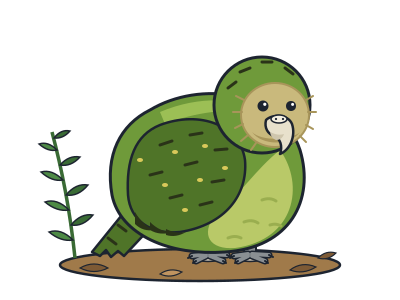
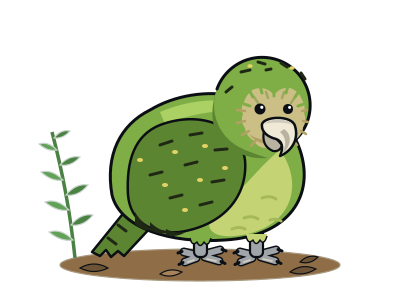
- KākāpōA heavy, flightless, night-active parrot that smells of honey; fewer than 300 exist.
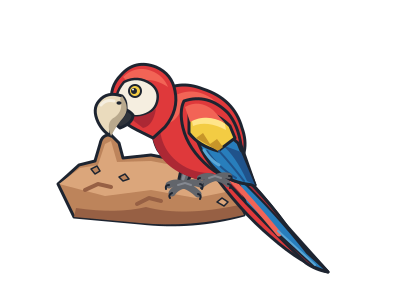
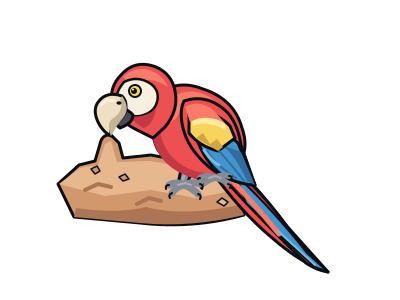
- Scarlet macawRed, yellow and blue, it eats clay to cope with toxins in seeds.
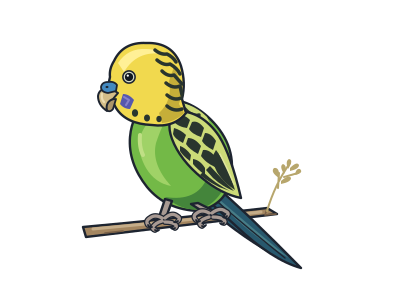
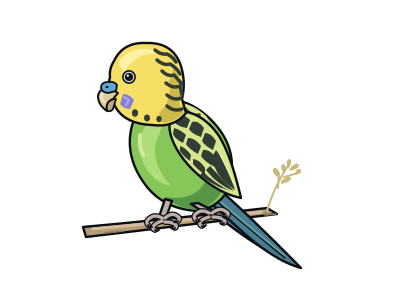
- BudgerigarA small Australian parrot that wanders in huge flocks and is a popular pet.
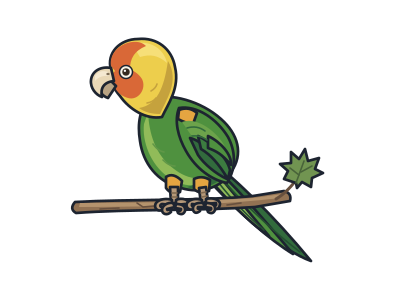
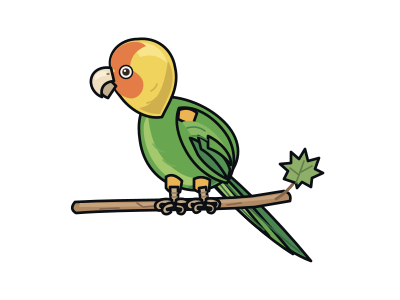
- Carolina parakeetThe only native parrot of the eastern United States; the last one died in 1918.
- CockatoosCrested Australasian parrots that raise and fan their head feathers to show their mood.
- Rainbow lorikeetLicks nectar and pollen from flowers with a brush-tipped tongue.