A species
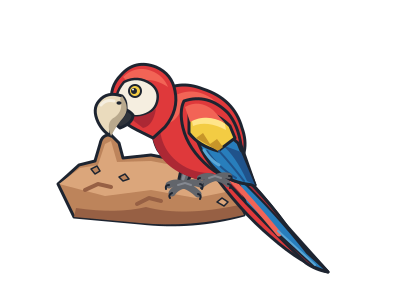
Scarlet macaw
Ara macao
A rainbow parrot with a taste for clay.
You and the scarlet macaw meet in the Amniotes branch, shown at about 320 million years ago (on 4 December, in a calendar from life's shared ancestor to today).
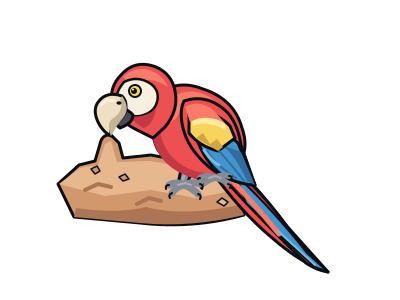
Red, yellow and blue, the scarlet macaw has a surprising habit: eating soil. At exposed clay banks in southeastern Peru, these birds gather with other parrots to feed on the earth. Research on western Amazonian parrots points to sodium, a nutrient found in salt, as a main reason. Both this colourful giant and the much smaller budgerigar are parrots.
Its usual meals are fruit, nuts and seeds, with flowers and nectar also on the menu. A powerful beak lets it break through the tough outer layers of unripe fruit. Wild scarlet macaws live from southern Mexico through Central America into tropical South America, including the Amazon basin.
Pairs commonly travel together and groom each other's feathers. By day, the birds are active; at night, they gather in trees to sleep with their flock. Forest clearance and capture for the pet trade threaten wild birds, so a wide range does not mean every local population is safe.
Two toes each way
Each foot has four clawed toes: two point forwards and two backwards.
Calls above the forest noise
Loud calls help flock members communicate over the rainforest's background noise.
A hollow for a nursery
Scarlet macaws nest in tree hollows, and both parents help care for their young.
Next to it on the tree
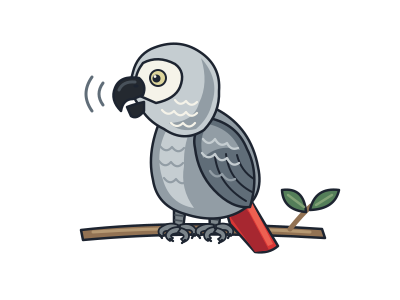
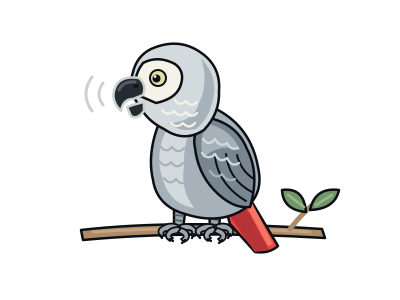
- African grey parrotCan learn hundreds of words and use some of them to answer questions.
- KeaA mountain parrot from New Zealand famous for solving puzzles and taking apart cars.
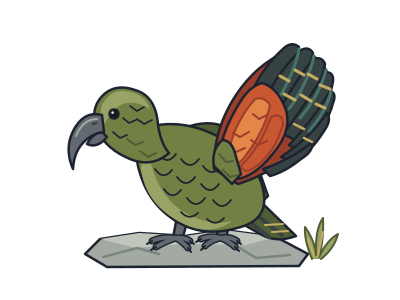
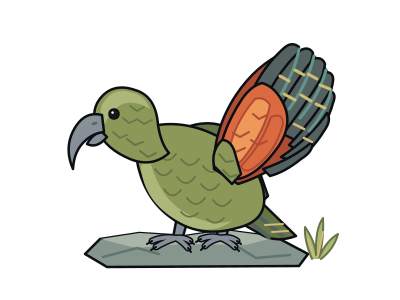
- KākāpōA heavy, flightless, night-active parrot that smells of honey; fewer than 300 exist.
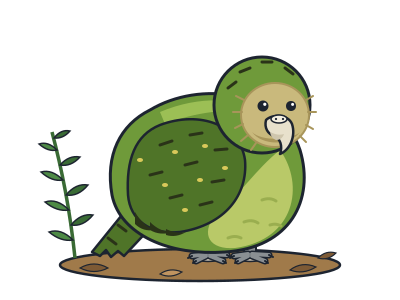
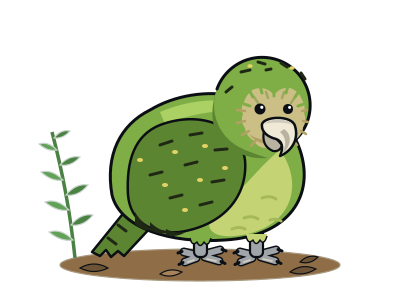
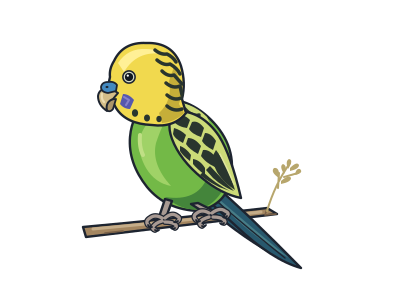
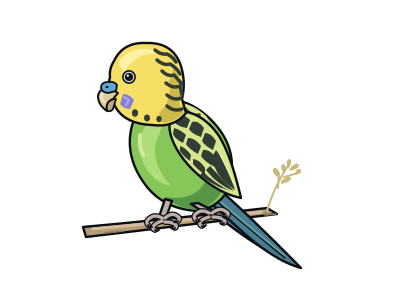
- BudgerigarA small Australian parrot that wanders in huge flocks and is a popular pet.
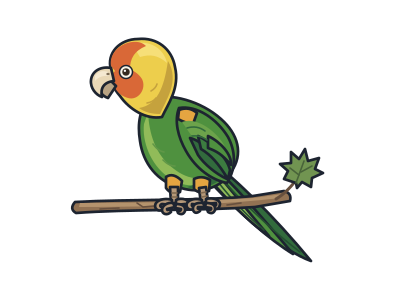
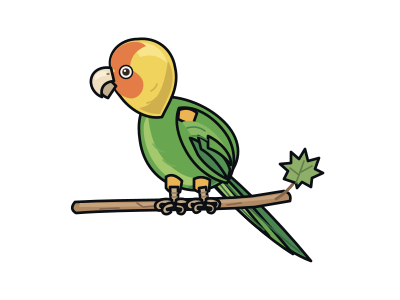
- Carolina parakeetThe only native parrot of the eastern United States; the last one died in 1918.
- CockatoosCrested Australasian parrots that raise and fan their head feathers to show their mood.
- Rainbow lorikeetLicks nectar and pollen from flowers with a brush-tipped tongue.