An extinct species
Carolina parakeet †
Conuropsis carolinensis
The eastern United States’ lost native parrot
Lived about 100,000–110 years ago.
You and the carolina parakeet meet in the Amniotes branch, shown at about 320 million years ago (on 4 December, in a calendar from life's shared ancestor to today).
The Carolina parakeet was the only native parrot of the eastern United States. The sun parakeet of South America was a close living relative: a surprising family connection for a northern bird. A fossil placed it hundreds of thousands of years ago, and it survived into the early 1900s. The last known bird kept in captivity, a male called Incas, died at Cincinnati Zoo in 1918.
Its home stretched far beyond the Carolinas, across parts of the eastern and central United States. It favoured woods beside rivers and swamps. Historical observers described noisy flocks, sometimes numbering hundreds of birds. The birds ate seeds, fruit and flower buds, including the seeds of cocklebur plants.
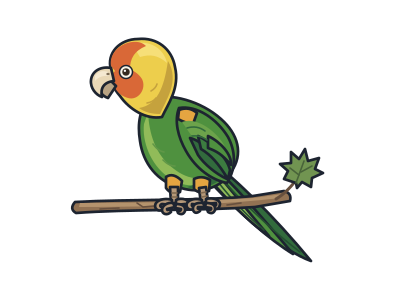
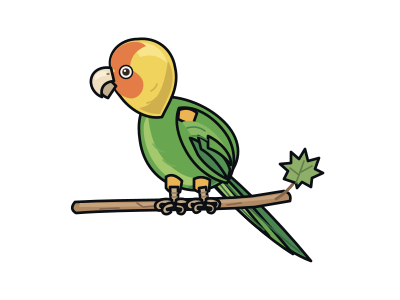
Preserved adult birds and historical images showed green bodies, yellow heads and orange-red faces. These colours were not guesses based on fossils. By the late 1800s, the remaining population was largely confined to Florida. People shot the birds for sport and to protect crops, while forest clearance removed their habitat.
A foot at the table
They held food in one foot while eating it with their beak.
An extra climbing tool
They used their hooked beak to help them climb through trees.
Matching colours
Adult males and females had matching feather colours, although males were somewhat larger.
Next to it on the tree
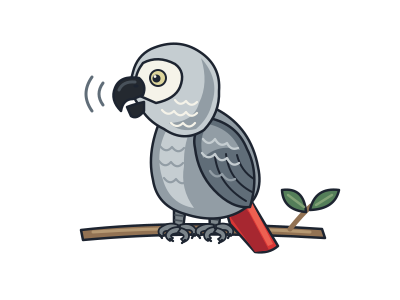
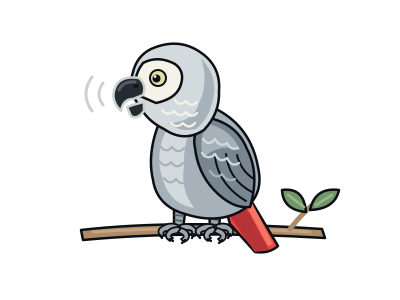
- African grey parrotCan learn hundreds of words and use some of them to answer questions.
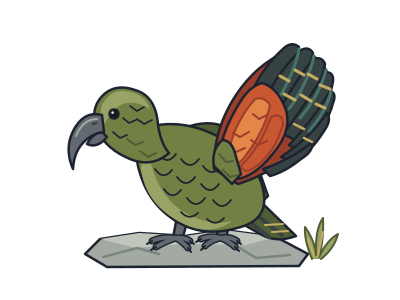
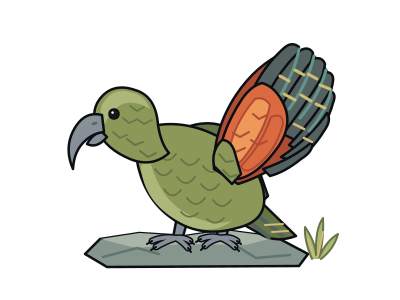
- KeaA mountain parrot from New Zealand famous for solving puzzles and taking apart cars.
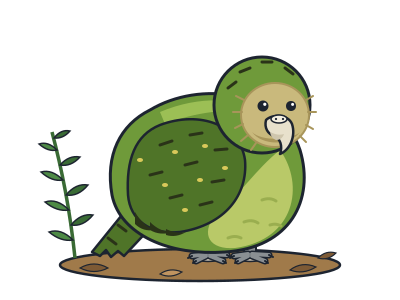
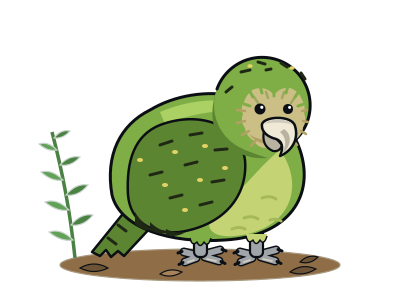
- KākāpōA heavy, flightless, night-active parrot that smells of honey; fewer than 300 exist.
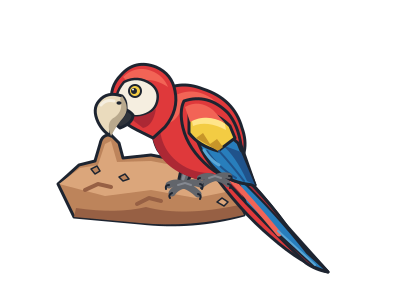
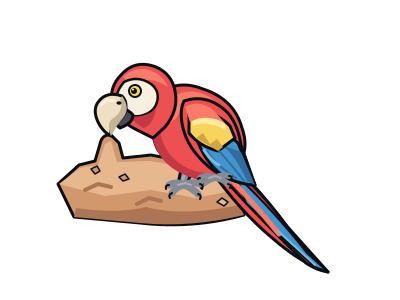
- Scarlet macawRed, yellow and blue, it eats clay to cope with toxins in seeds.
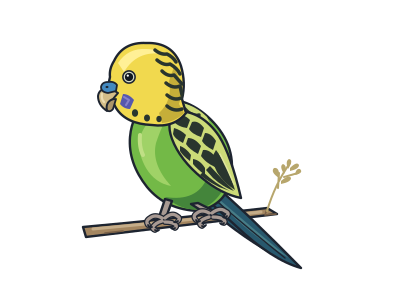
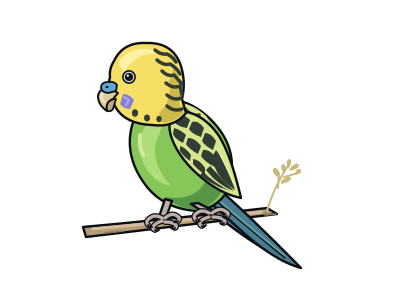
- BudgerigarA small Australian parrot that wanders in huge flocks and is a popular pet.
- CockatoosCrested Australasian parrots that raise and fan their head feathers to show their mood.
- Rainbow lorikeetLicks nectar and pollen from flowers with a brush-tipped tongue.