A species
Kākāpō
Strigops habroptila
The heavy, honey-scented parrot that cannot fly
You and the kākāpō meet in the Amniotes branch, shown at about 320 million years ago (on 4 December, in a calendar from life's shared ancestor to today).
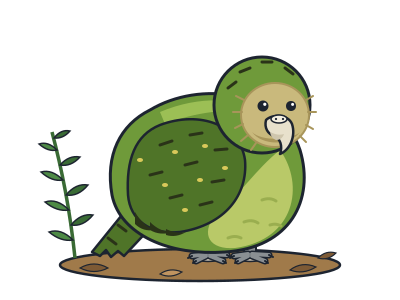
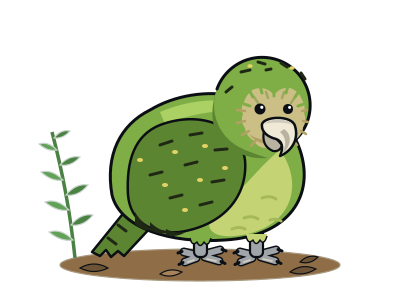
Picture a parrot that can weigh as much as a big bag of sugar, cannot fly, comes out at night and smells of honey. That is the kākāpō. It is the heaviest parrot in the world, and the only one that cannot fly. Its feathers have a strong, sweet, musty smell. People have compared it to honey or an old violin case. Only about 325 are alive today.
Its closest living relatives are two other New Zealand parrots, the kea and the kākā. Together these three form an ancient branch that is the sister group to all other living parrots. That means macaws, African greys and budgies are all more closely related to each other than any of them is to the kākāpō.
Kākāpō sleep by day under rocks or in shallow burrows. At dusk they come out to eat leaves, fruit, seeds and roots. When frightened, they freeze and trust their mossy green feathers to hide them. That worked well against birds of prey that hunt by sight. But after people arrived, they brought rats, cats and stoats, which hunt by smell and could simply follow the honey scent. Today kākāpō survive only in carefully guarded places kept free of predators, mainly islands off New Zealand's coast.
A booming love song
To attract females, males puff up an air sac in their chest and give deep booming calls from shallow bowls they dig in the ground. They can keep this up night after night for months.
Waiting for the fruit
Kākāpō breed only every two to four years, in years when rimu trees grow lots of fruit.
Back from the brink
When the recovery programme began in 1995, there were only 51 known birds. In 2026, a record 90 chicks were added in a single breeding season.
Next to it on the tree
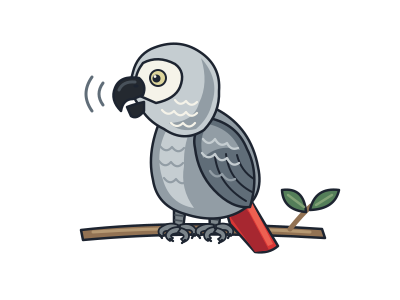
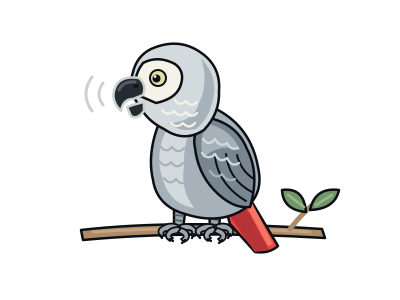
- African grey parrotCan learn hundreds of words and use some of them to answer questions.
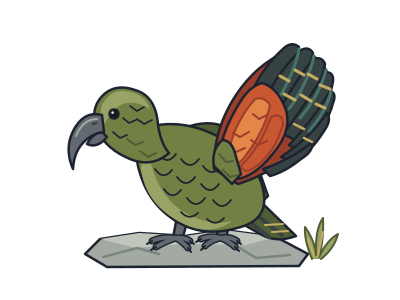
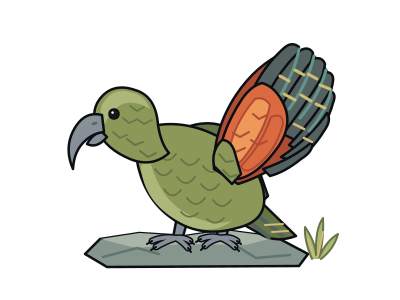
- KeaA mountain parrot from New Zealand famous for solving puzzles and taking apart cars.
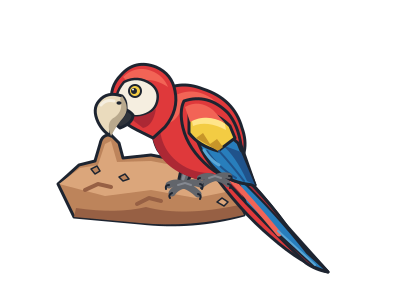
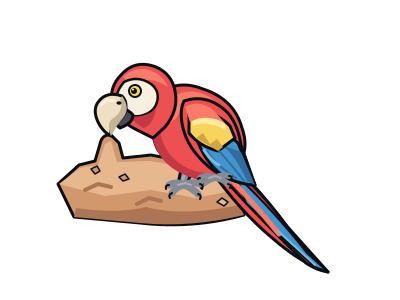
- Scarlet macawRed, yellow and blue, it eats clay to cope with toxins in seeds.
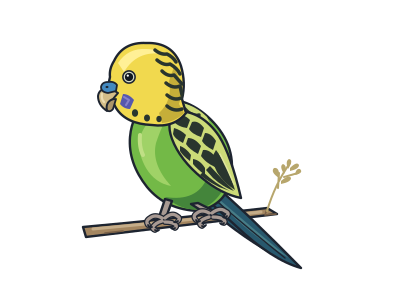
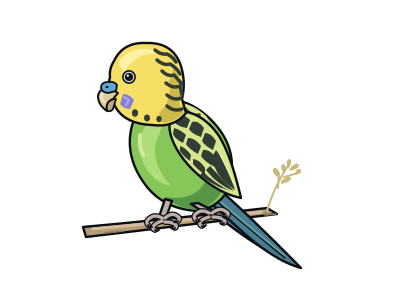
- BudgerigarA small Australian parrot that wanders in huge flocks and is a popular pet.
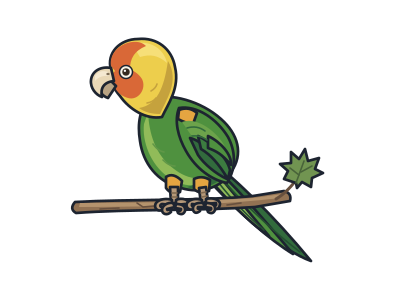
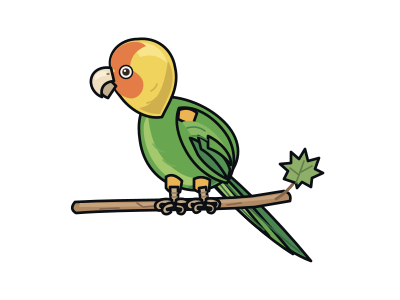
- Carolina parakeetThe only native parrot of the eastern United States; the last one died in 1918.
- CockatoosCrested Australasian parrots that raise and fan their head feathers to show their mood.
- Rainbow lorikeetLicks nectar and pollen from flowers with a brush-tipped tongue.