A species
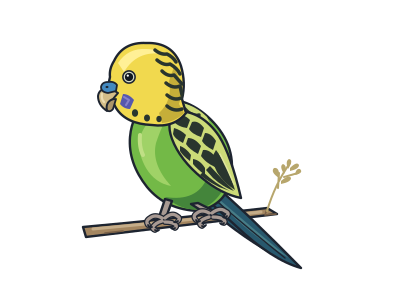
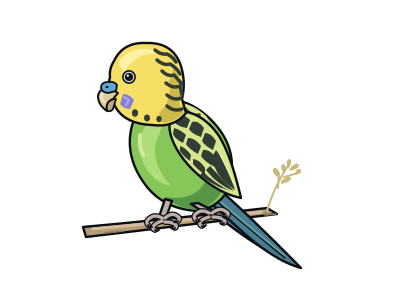
Budgerigar
Melopsittacus undulatus
A familiar pet with a wild life in wandering flocks.
You and the budgerigar meet in the Amniotes branch, shown at about 320 million years ago (on 4 December, in a calendar from life's shared ancestor to today).
The familiar pet budgie is a small Australian parrot that can gather in huge wandering flocks. Its close relatives include lorikeets, while macaws belong to the same wider parrot group. The bird you might recognise from a cage is also a traveller across Australia's dry inland.
Wild budgies move in search of rainfall and the grass seeds that become plentiful afterwards. Flocks often hold about three to 100 birds. When rain and food are plentiful, gatherings can occasionally reach tens of thousands. Those enormous flocks are not the everyday rule. Their natural range covers much of mainland Australia, especially inland areas.
Rain also helps set the timing for nesting, rather than one fixed breeding season. Pairs use existing hollows in tree trunks or branches, where the female keeps the eggs warm. While conditions stay suitable, a pair may raise several families of chicks.
Feather care
Resting budgies groom one another's feathers.
Five weeks in the nest
Chicks hatch without feathers and spend about 35 days in the nest.
Calls with different jobs
A warbling chirrup keeps birds in contact, while a short “zit” call signals alarm.
Next to it on the tree
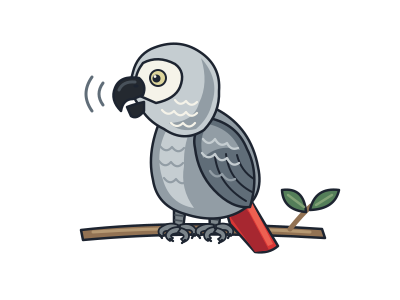
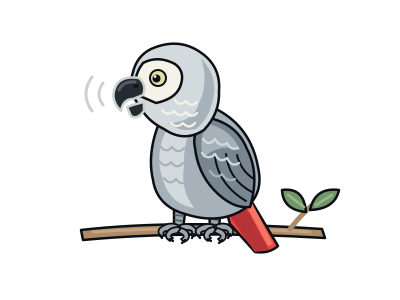
- African grey parrotCan learn hundreds of words and use some of them to answer questions.
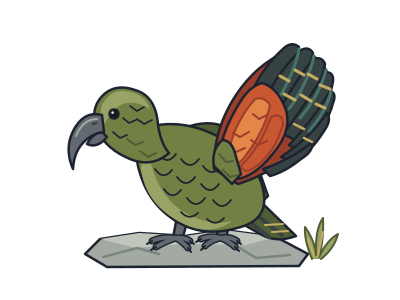
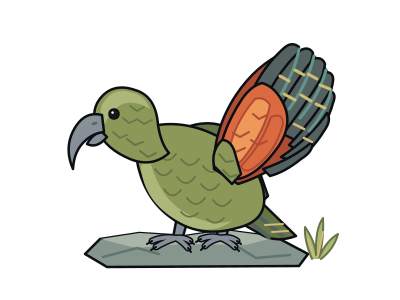
- KeaA mountain parrot from New Zealand famous for solving puzzles and taking apart cars.
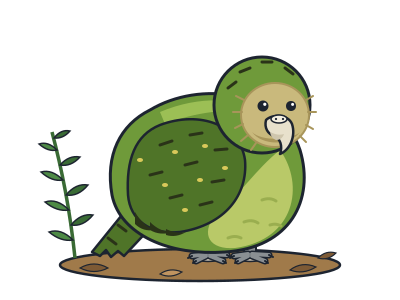
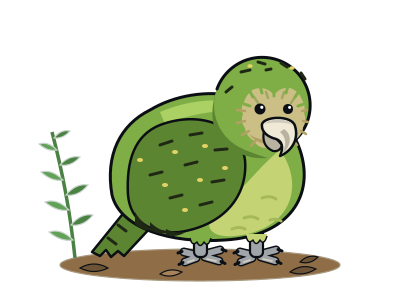
- KākāpōA heavy, flightless, night-active parrot that smells of honey; fewer than 300 exist.
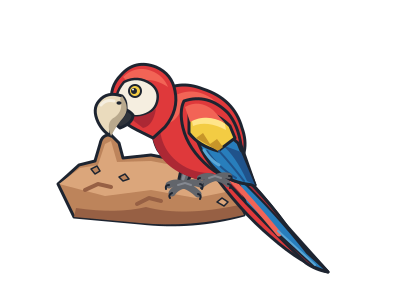
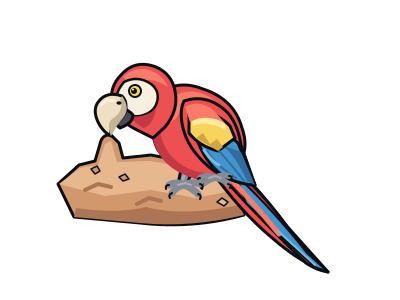
- Scarlet macawRed, yellow and blue, it eats clay to cope with toxins in seeds.
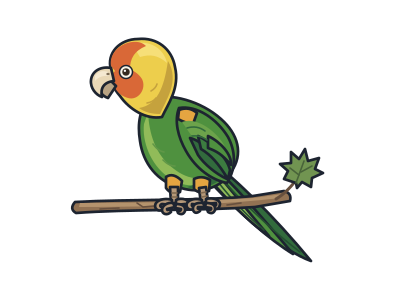
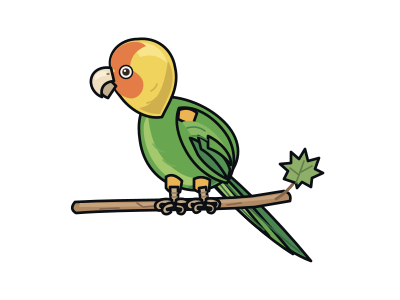
- Carolina parakeetThe only native parrot of the eastern United States; the last one died in 1918.
- CockatoosCrested Australasian parrots that raise and fan their head feathers to show their mood.
- Rainbow lorikeetLicks nectar and pollen from flowers with a brush-tipped tongue.