A species
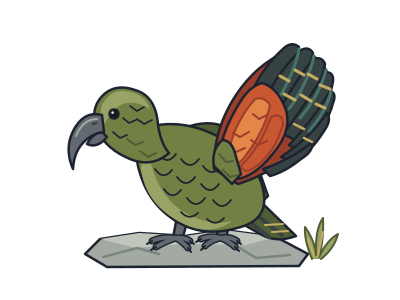
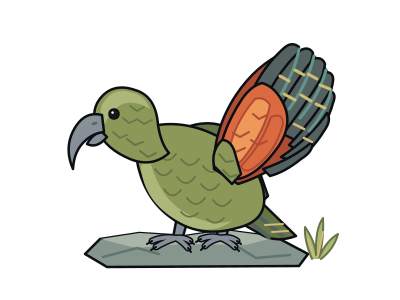
Kea
Nestor notabilis
A mountain parrot with a talent for puzzles—and trouble
You and the kea meet in the Amniotes branch, shown at about 320 million years ago (on 4 December, in a calendar from life's shared ancestor to today).
The kea is a New Zealand mountain parrot famous for solving puzzles and taking apart car fittings. Like macaws and budgerigars, it is a parrot—but the kākāpō is a closer relative than either of those birds. Its closest living relative is the kākā, another New Zealand parrot.
Its reputation for dismantling cars has a real basis, though the truth is smaller than the legend. Kea investigate objects left by people and can pull apart soft rubber fittings. They do not take whole vehicles apart. A parked car simply offers plenty to explore.
Puzzle-box experiments reveal another side of that curiosity. The kea in one study discovered several ways to reach food and changed methods when familiar routes were blocked. One bird mastered all four solutions. It even handled a stick with carefully coordinated movements of its foot and beak, despite the awkward fit between a straight tool and a curved beak.
Not just snowy peaks
Kea also live in forests and sometimes near sea level. Wild kea live only in New Zealand.
Helping plants travel
By spreading seeds, kea help native plants grow in new places.
A threatened bird
Kea are classified as Nationally Endangered in New Zealand. Introduced stoats and feral cats threaten adults and chicks, while rats eat eggs.
Next to it on the tree
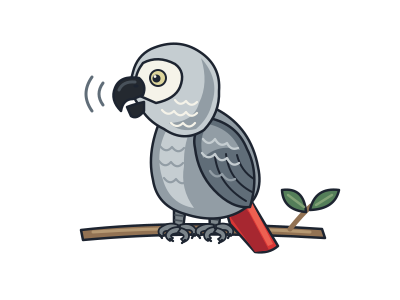
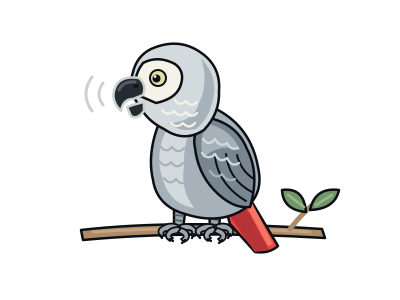
- African grey parrotCan learn hundreds of words and use some of them to answer questions.
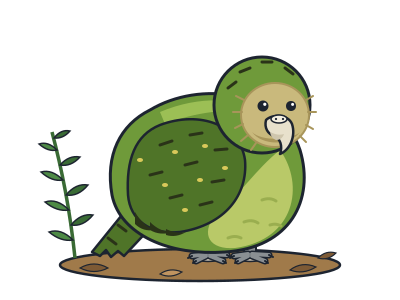
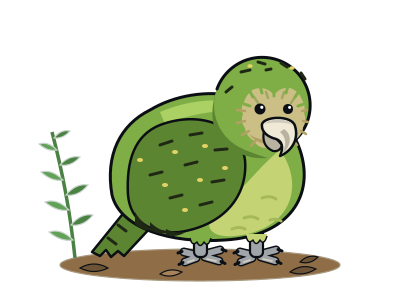
- KākāpōA heavy, flightless, night-active parrot that smells of honey; fewer than 300 exist.
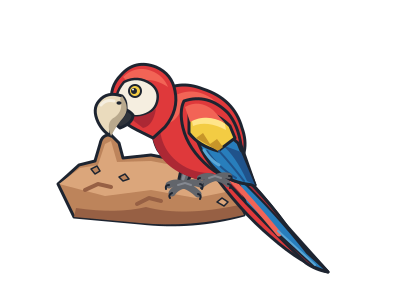
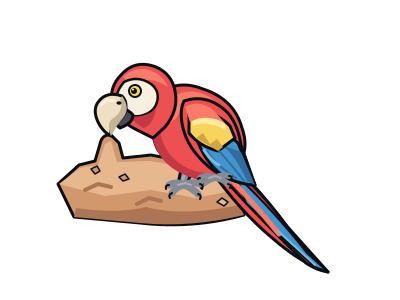
- Scarlet macawRed, yellow and blue, it eats clay to cope with toxins in seeds.
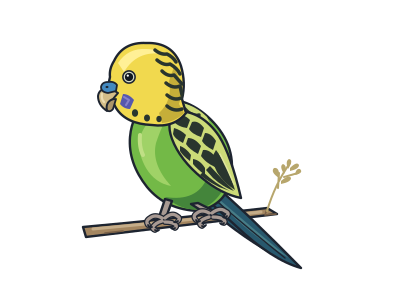
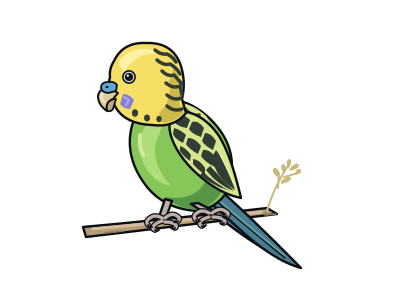
- BudgerigarA small Australian parrot that wanders in huge flocks and is a popular pet.
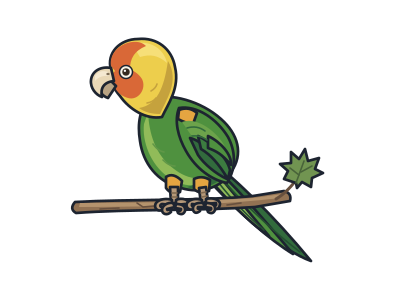
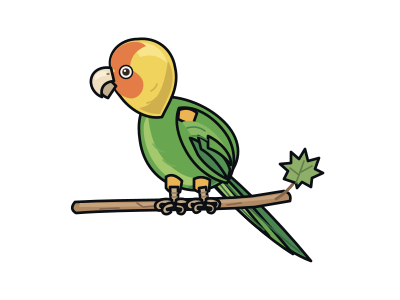
- Carolina parakeetThe only native parrot of the eastern United States; the last one died in 1918.
- CockatoosCrested Australasian parrots that raise and fan their head feathers to show their mood.
- Rainbow lorikeetLicks nectar and pollen from flowers with a brush-tipped tongue.