A species
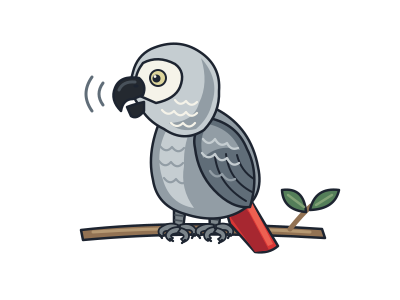
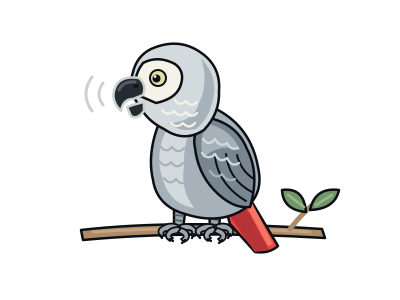
African grey parrot
Psittacus erithacus
Words that can be more than echoes.
You and the african grey parrot meet in the Amniotes branch, shown at about 320 million years ago (on 4 December, in a calendar from life's shared ancestor to today).
Some African grey parrots can learn hundreds of human words, though vocabulary sizes reported by owners vary greatly. In closely studied birds, words can be more than copied sounds: some have answered questions about colours, numbers and shapes. That does not mean every African grey understands the words it copies.
On the tree, this bird belongs to the parrot branch alongside budgerigars, macaws and kea. Surprisingly, parrots and the perching-bird group containing songbirds are each other's closest living branches of birds.
In the wild, African greys live across equatorial Africa, mainly in lowland forests. They often feed in the treetops, eating fruit and seeds, especially oil-palm fruit. At night, they gather in large sleeping flocks. During the day, they split into smaller feeding groups. Their lives are closely tied to both trees and other parrots.
A climbing helper
The curved beak cracks nuts and seeds, but also works like a third foot when climbing.
Matching colours
Males and females share the same main grey-and-red colouring. Pale feather edges create a scalloped pattern.
Under pressure
The species is Endangered and declining in the wild. Trapping for the international pet trade and forest loss are major causes.
Next to it on the tree
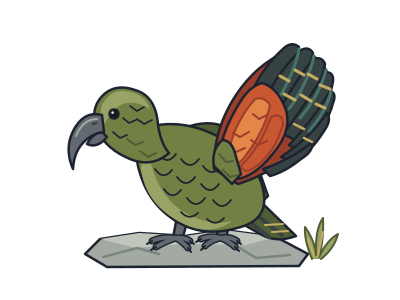
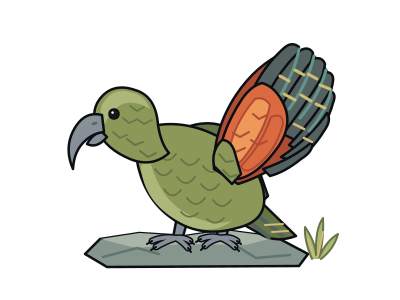
- KeaA mountain parrot from New Zealand famous for solving puzzles and taking apart cars.
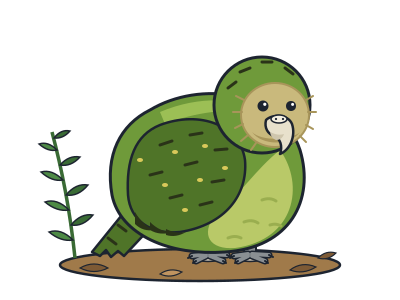
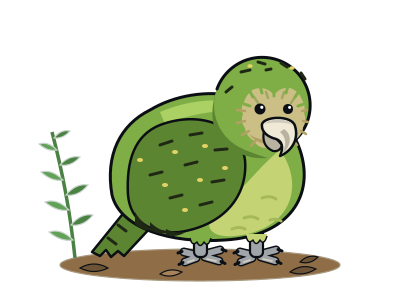
- KākāpōA heavy, flightless, night-active parrot that smells of honey; fewer than 300 exist.
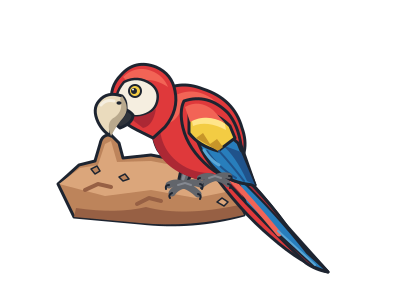
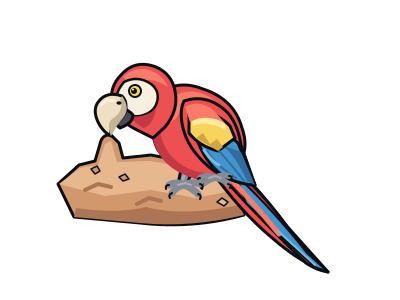
- Scarlet macawRed, yellow and blue, it eats clay to cope with toxins in seeds.
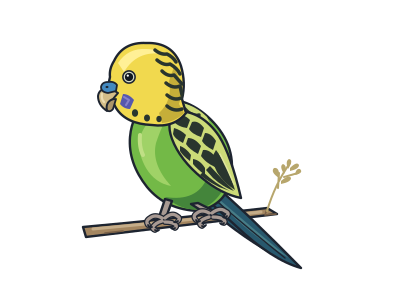
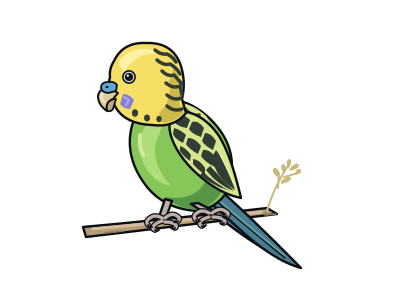
- BudgerigarA small Australian parrot that wanders in huge flocks and is a popular pet.
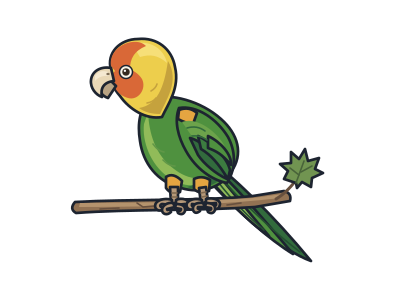
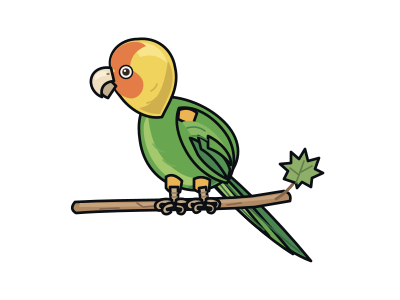
- Carolina parakeetThe only native parrot of the eastern United States; the last one died in 1918.
- CockatoosCrested Australasian parrots that raise and fan their head feathers to show their mood.
- Rainbow lorikeetLicks nectar and pollen from flowers with a brush-tipped tongue.