A group of living things
Falcons, parrots and songbirds
Australaves
Falcons are closer to parrots than to eagles.
This branch is shown at about 62 million years ago; its age is a rough estimate.
You and falcons, parrots and songbirds meet in the Amniotes branch, shown at about 320 million years ago (on 4 December, in a calendar from life's shared ancestor to today).
Falcons are closer to parrots than to eagles. The key evidence comes from DNA, the inherited instructions inside living things. But parrots alone are not the falcons’ closest branch. Parrots and perching birds together form that branch. Within it, parrots and perching birds are each other’s closest living branches.
This family has four living branches: seriemas, falcons, parrots and perching birds. The seriema branch separates first from the other three. A 2022 review reported no known body feature found only in this group and shared by every member. Their inherited instructions reveal a connection that body shape alone does not clearly show.
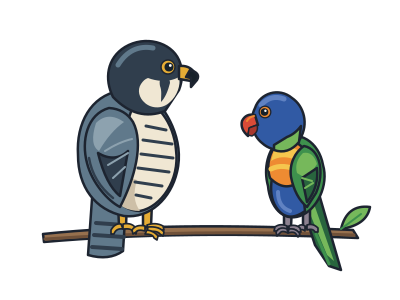
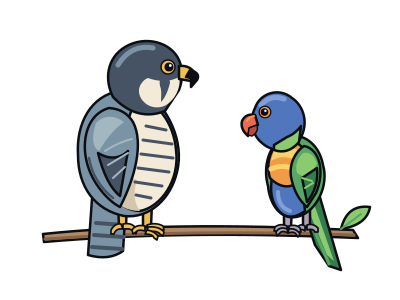
Family membership does not mean sharing a menu. Peregrine falcons hunt small and medium-sized birds. Rainbow lorikeets are parrots that mainly gather nectar and pollen from flowers. These different ways of feeding belong within the same bird family.
Almost worldwide
Peregrine falcons live on every continent except Antarctica, in places ranging from deserts to cities.
Matching colours
Male and female rainbow lorikeets look alike, with blue heads, green wings, orange-yellow breasts and red beaks.
Shared chick care
Rainbow lorikeets usually nest in tree hollows. Both parents feed the chicks, but only the female sits on the eggs.
Inside falcons, parrots and songbirds
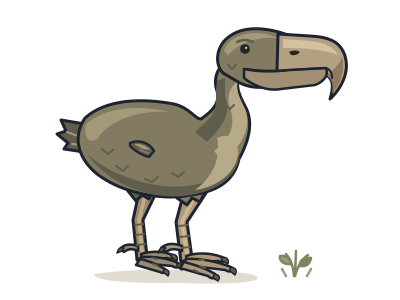
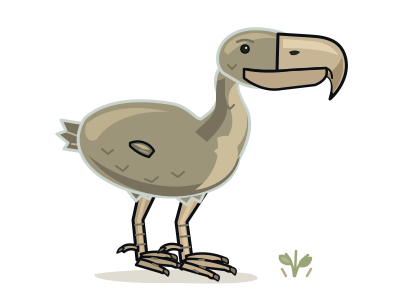
- Terror birdA flightless predator taller than a person with a hooked, axe-like beak.
- Red-legged seriemaBashes prey on rocks; the closest living relative of the terror birds.
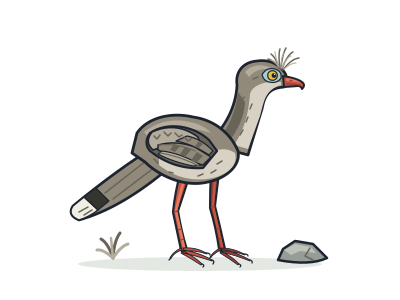
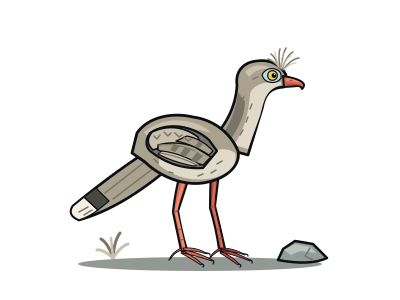
- Falcons and caracarasFast, sharp-winged hunters that kill with a notched beak, not just their talons.
- Parrots and songbirdsParrots are the closest living relatives of songbirds, and both learn their calls.
Next to it on the tree
- Hawks, eagles and vulturesDaytime birds of prey with hooked beaks and gripping talons, plus the American vultures.
- OwlsNight hunters with forward-facing eyes, silent wings and superb hearing.
- Kingfishers, woodpeckers and kinA colourful crowd of tree-hole nesters, from hornbills to toucans, and the odd little mousebirds.