An extinct species
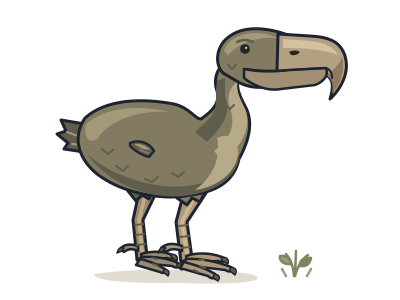
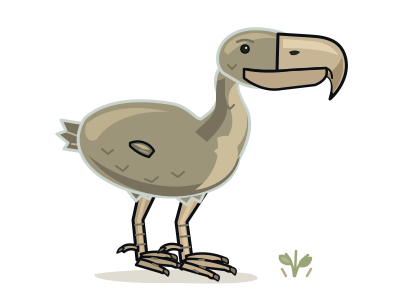
Terror bird †
Phorusrhacos longissimus
A grounded giant with an axe-like beak
Lived about 18–15 million years ago.
You and the terror bird meet in the Amniotes branch, shown at about 320 million years ago (on 4 December, in a calendar from life's shared ancestor to today).
By one published size estimate, this flightless predator stood taller than most people. Its deep, hooked beak looked like an axe blade. It lived in Patagonia, in what is now southern Argentina, about 18 to 15 million years ago. Its greatly reduced wings and large body supported the conclusion that it could not fly.
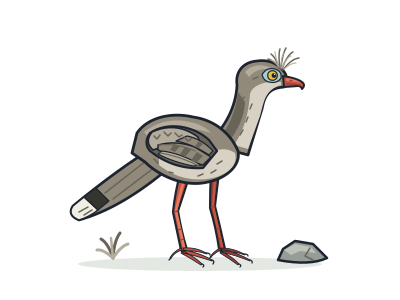
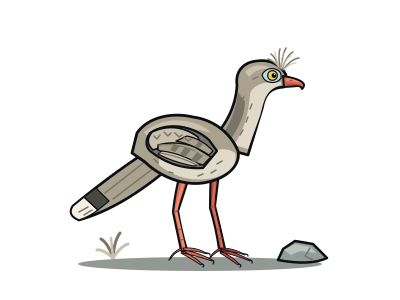
Its closest living relatives were seriemas, South American birds that spend much of their time on the ground. Its resemblance to an ostrich did not mean the two were close relatives. The family connection to seriemas told a different story from its size and outline.
What we know came from fossil skulls, jaws and other bones. Researchers pieced its shape together from different individuals, rather than one complete skeleton. These remains revealed much of its build, but they did not establish its colours, sounds or exact hunting behaviour.
Long lower legs
Its lower legs were relatively long and slender compared with those of some bulkier giant terror birds.
Not all were giants
The terror-bird family included a smaller relative estimated at about 80 centimetres tall and about five kilograms.
Part of a claw
A curved toe-claw bone assigned to this species preserved about four centimetres—roughly two-thirds of its estimated full length.