A group of living things
Lactic acid bacteria
Lactobacillales
The sour-makers that turn sugar into tangy acid in yogurt, cheese and sourdough
This branch is shown at about 1.1 billion years ago; its age is a rough estimate.
You and lactic acid bacteria meet in the All life branch, shown at about 4.2 billion years ago (on 1 January, in a calendar from life's shared ancestor to today).
Yogurt, cheese, sauerkraut, kimchi and sourdough all get their tang from these tiny bacteria. They feed on sugar and turn it into lactic acid, which is mostly what gives these foods their sharp taste. The acid also stops many spoilage microbes from growing. That is why people have relied on souring to make and keep food throughout history, long before anyone knew bacteria existed. One kind gets many cheeses started, including Cheddar, brie and camembert.
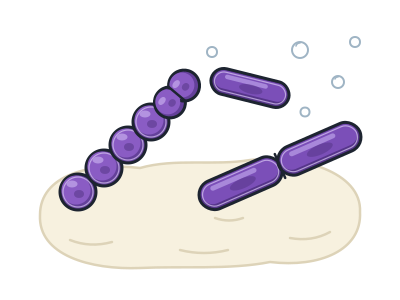
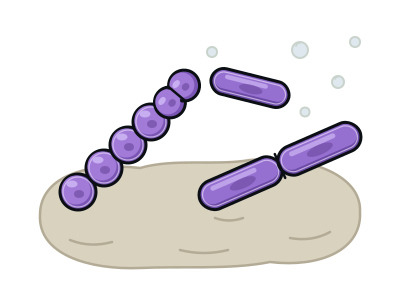
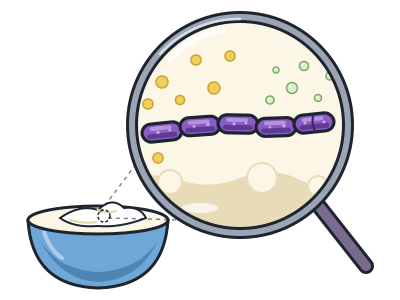
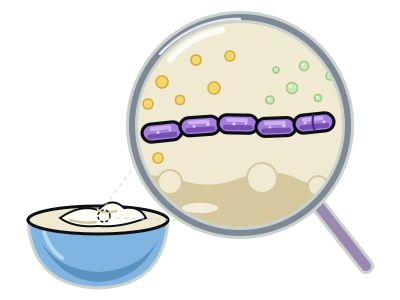
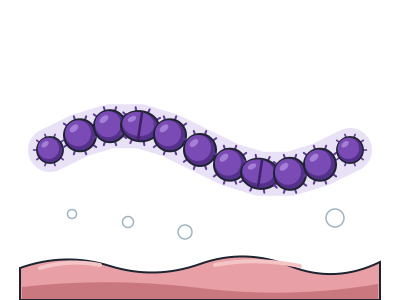
They come in two shapes. Some are tiny round beads that often sit in pairs or chains, like strings of pearls. Others are smooth rods. They cope well with acid, so they thrive once a food has turned sour. Oxygen does not harm most of them, but most don't use it for energy. Outside the kitchen, they live on rotting plants, in milk, and on the moist inside surfaces of animals and people, such as the mouth and gut.
Not every member is friendly, though. The same group includes the bacterium that causes strep throat, and some members help build the sticky plaque on teeth. On the tree of life, they sit close to spore-forming bacteria such as the hay bacillus, and near Listeria and golden staph.
Named after a country
In 1905, a Bulgarian doctor named Stamen Grigorov was working in a lab in Geneva when he found a rod-shaped bacterium that is one of the main bacteria turning milk into yogurt. It was named bulgaricus after his home country.
A natural preservative
Some of these bacteria make natural germ-fighting substances. One of them, called nisin, is used as a food preservative in at least 50 countries.
Sourdough teamwork
A sourdough starter typically has about 100 bacteria for every yeast cell. They don't compete for food: the bacteria eat a sugar called maltose, which the usual sourdough yeasts can't use, and the yeasts eat the other sugars.
Inside lactic acid bacteria
- Yogurt bacteriumTurns milk sugar into tangy acid; every pot of yogurt holds billions of these living rods.
- Strep throat bacteriumGrows in bead-like chains; it causes strep throat, which a short course of antibiotics clears.
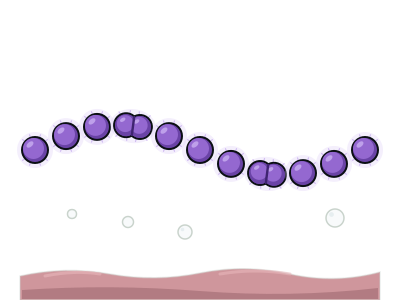
- Yogurt starter coccusWorks in a duo with the yogurt rod: together they thicken and sour milk faster than either alone.
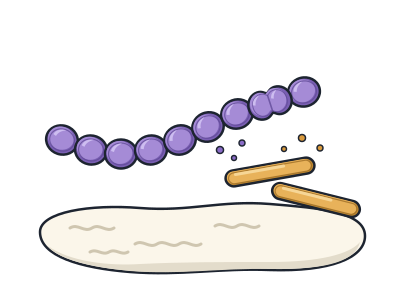
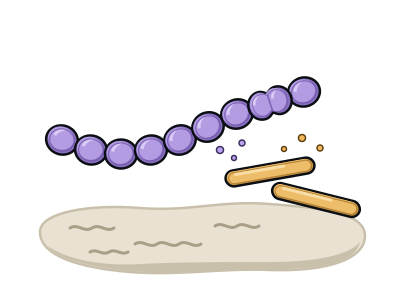
- Cheese starter bacteriumTurns milk into cheddar and gouda, and makes a natural preservative that keeps food fresh.
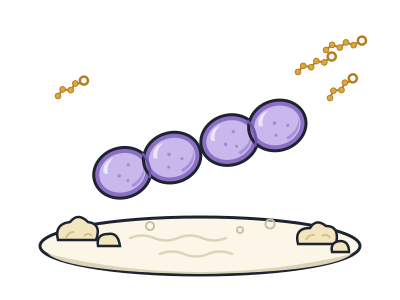
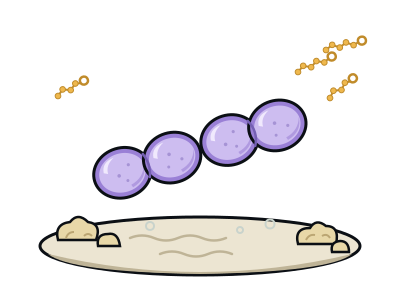
- Sauerkraut bacteriumSours cabbage into sauerkraut and kimchi, and lives on plants, pickles and olives worldwide.
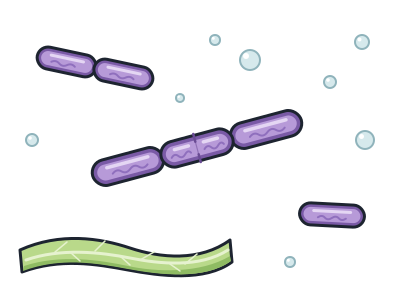
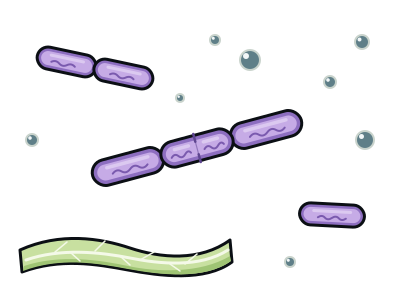
- Sourdough bacteriumNamed after San Francisco's famous bread, it gives sourdough its tang while sharing the dough with yeast.
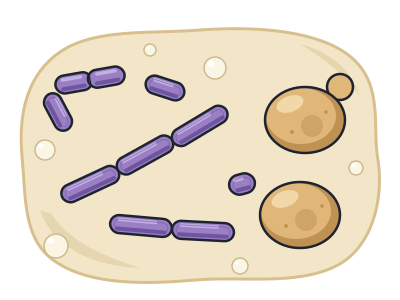
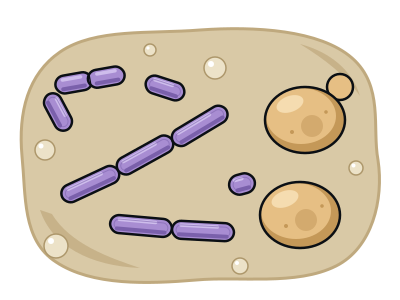
Next to it on the tree
- Hay bacillusA harmless soil bacterium that seals itself into a spore able to survive boiling, drying and even space.
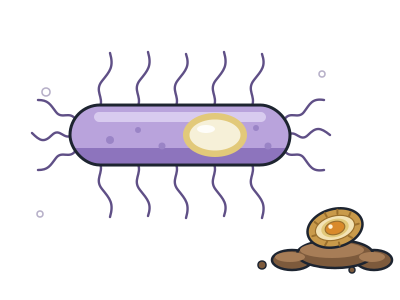
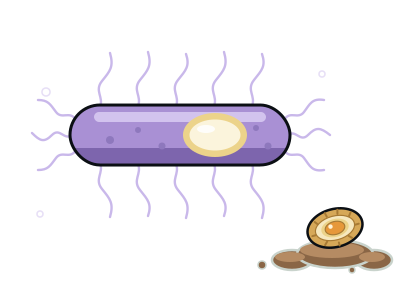
- Golden staphLives harmlessly in many noses, but can cause infections, and some strains shrug off antibiotics.
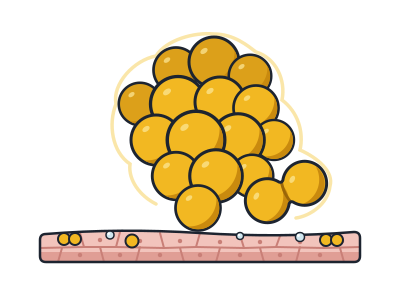
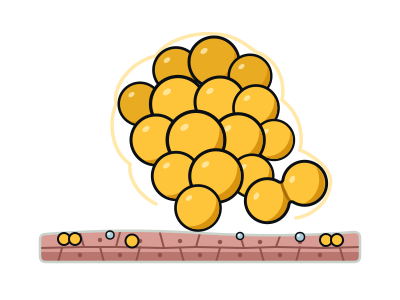
- Botulinum bacteriumMakes the most potent natural toxin known, which doctors now use in tiny doses as Botox.
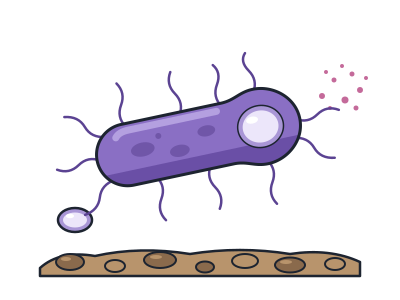
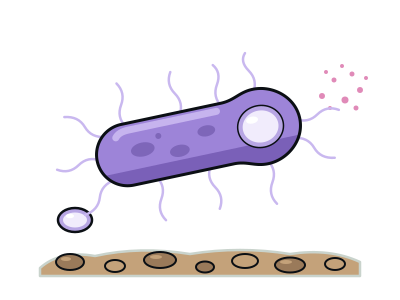
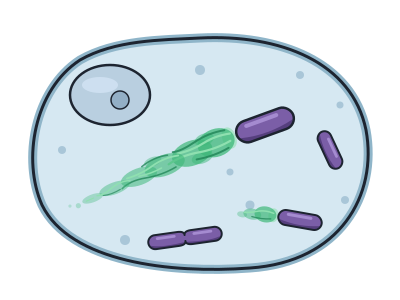
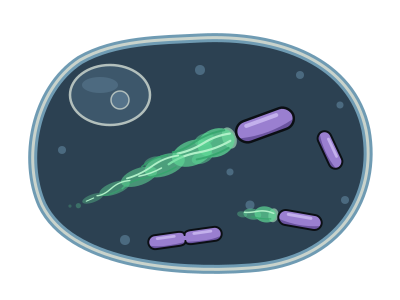
- ListeriaA food-safety microbe that can grow in the fridge and rockets around inside cells on tails of protein.
- Wall-less bacteriumOne of the smallest free-living cells, with no cell wall and a tiny genome; it causes walking pneumonia.
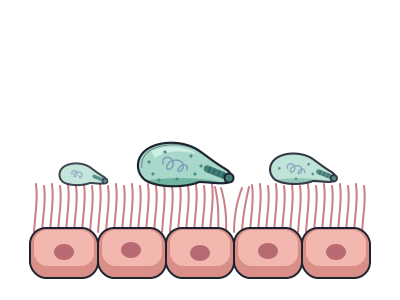
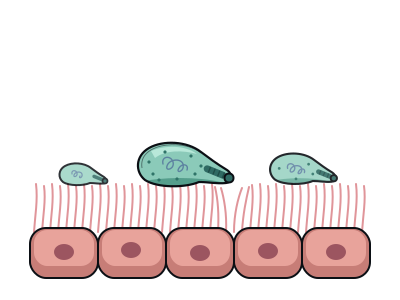
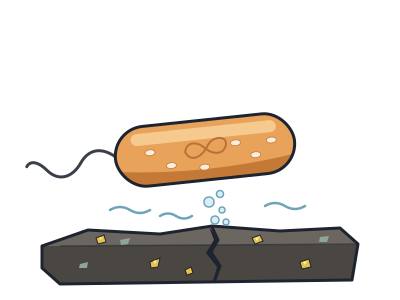
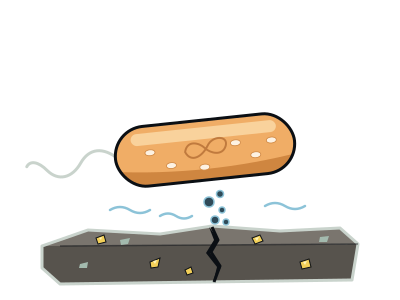
- Lone deep-earth bacteriumLives alone 2.8 km down a South African gold mine, a whole ecosystem made of one species.