A species
Cheese starter bacterium
Lactococcus lactis
The tiny bacterium that turns milk into cheese and helps keep food fresh
You and the cheese starter bacterium meet in the All life branch, shown at about 4.2 billion years ago (on 1 January, in a calendar from life's shared ancestor to today).
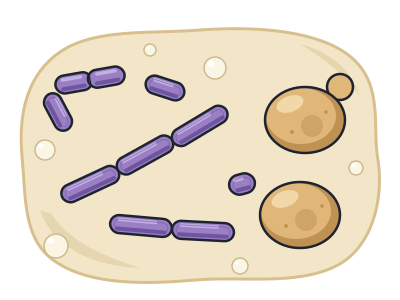
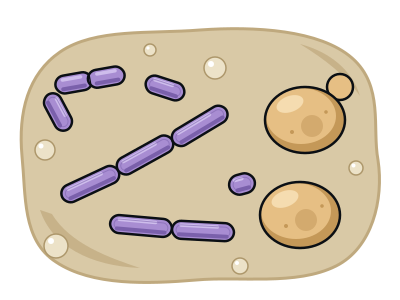
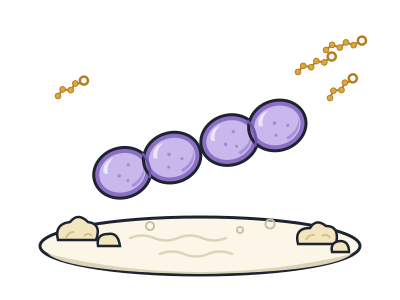
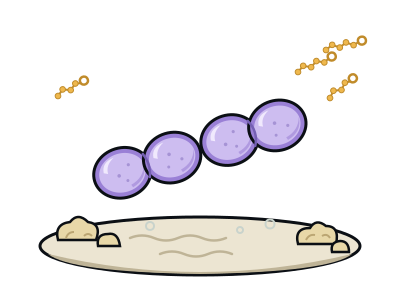
This tiny bacterium is one of the main helpers that turn milk into cheddar, Gouda, brie and many other cheeses. It feeds on the sugar in milk and turns most of it into lactic acid. The acid sours the milk and helps it set into curds, which is the first step in making cheese. Some strains also make nisin, a natural substance that stops many other kinds of bacteria from growing. Nisin is added to some foods to help keep them fresh.
Its family is full of surprises. On the tree it sits among the lactic acid bacteria, next to the bacteria that make yogurt, sauerkraut and sourdough. One of its relatives is the bacterium that causes strep throat. This one is generally harmless, though, and people have eaten it safely in food for a very long time.
It did not start out in milk. Wild strains have been found on grass, on vegetables and inside part of cows' stomachs. The evidence suggests it first lived on plants and later became 'domesticated' in milk, a bit like a wild animal being tamed. Milk is rich in food, so dairy strains lost genes they no longer needed. In lab experiments, plant strains kept in milk for a long time became more like dairy strains.
Almost a state symbol
In 2010 the state Assembly of Wisconsin in the USA voted to make it the official state microbe, but the state Senate never approved the plan.
Stopping spores
Nisin is especially good at stopping bacterial spores. It works against the bacterium that causes botulism, as well as Listeria.
A tiny protein
Nisin is a small protein built from just 34 building blocks called amino acids, and some of them are quite unusual.
Next to it on the tree
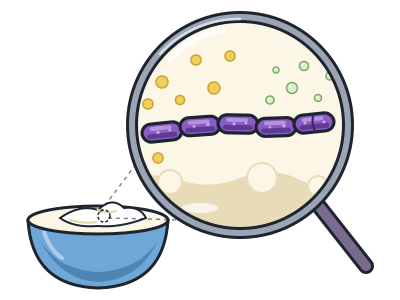
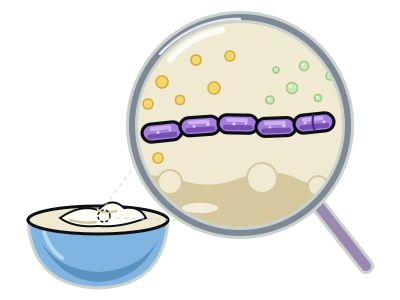
- Yogurt bacteriumTurns milk sugar into tangy acid; every pot of yogurt holds billions of these living rods.
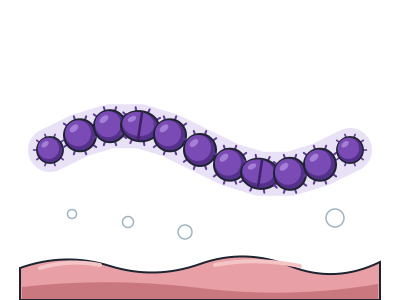
- Strep throat bacteriumGrows in bead-like chains; it causes strep throat, which a short course of antibiotics clears.
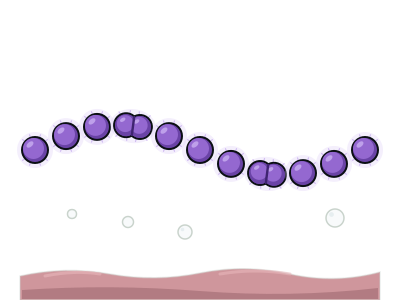
- Yogurt starter coccusWorks in a duo with the yogurt rod: together they thicken and sour milk faster than either alone.
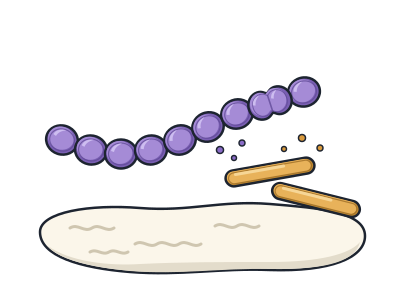
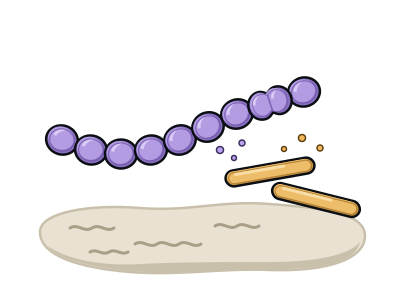
- Sauerkraut bacteriumSours cabbage into sauerkraut and kimchi, and lives on plants, pickles and olives worldwide.
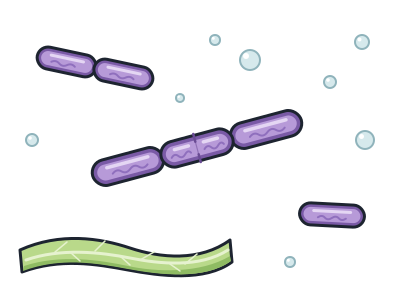
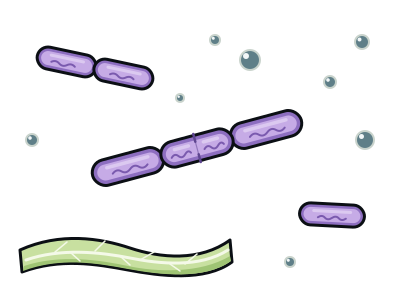
- Sourdough bacteriumNamed after San Francisco's famous bread, it gives sourdough its tang while sharing the dough with yeast.