A species
Sourdough bacterium
Fructilactobacillus sanfranciscensis
The tiny tang-maker that shares sourdough starters with yeast
You and the sourdough bacterium meet in the All life branch, shown at about 4.2 billion years ago (on 1 January, in a calendar from life's shared ancestor to today).
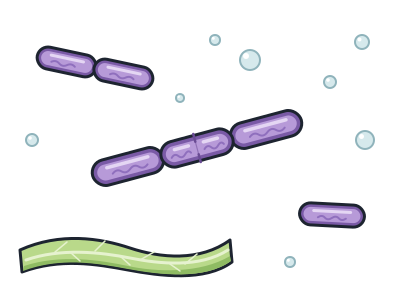
This tiny bacterium is named after San Francisco. Scientists first found it there in 1971, in the city's famous sourdough bread, which bakers there had been making for over a century. But it is not just a San Francisco local. It is often the main bacterium in traditional sourdough starters around the world.
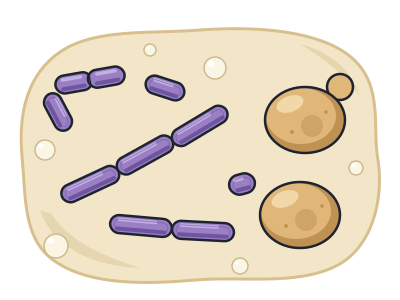
It shares the dough with yeast, and the two hardly fight over food. Flour releases a sugar called maltose. The bacterium feeds on it, but its usual yeast partner cannot, and mostly eats a different sugar called glucose. As the bacterium breaks down sugar, it makes lactic acid and acetic acid, the acid in vinegar. Those acids give sourdough its sour tang. The yeast makes most of the gas bubbles that help the bread rise.
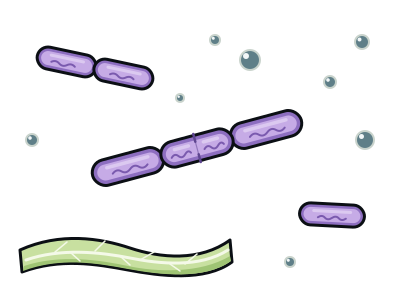
It belongs to the lactic acid bacteria, a group of microbes that make acid from sugar. Its relatives on the tree include the bacteria that turn milk into yogurt and cabbage into sauerkraut. Each cell is a slender rod, far too small to see without a microscope, and it cannot swim. Although people often think of bacteria in food as germs, this one is harmless. Bakers use it on purpose.
A small instruction book
Its DNA is about 1.3 million letters long, which is tiny for a bacterium. Even so, it carries lots of copies of the genes for its protein-making machinery, so it can start growing fast as soon as a baker adds fresh flour and water.
Outnumbering the yeast
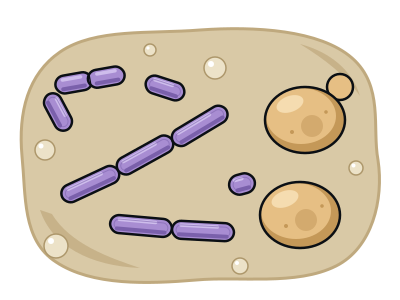
In a starter, bacteria far outnumber yeasts. There are usually about 100 bacteria for every yeast cell.
Place hardly matters
A study of about 500 starters, mostly from home bakers on four continents, found that where a starter came from made little difference to its microbes. How a baker looks after a starter matters more than where they live.
Next to it on the tree
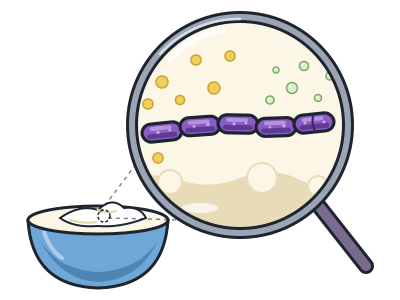
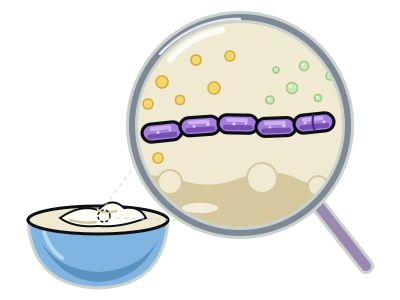
- Yogurt bacteriumTurns milk sugar into tangy acid; every pot of yogurt holds billions of these living rods.
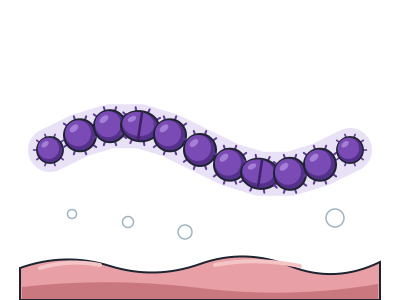
- Strep throat bacteriumGrows in bead-like chains; it causes strep throat, which a short course of antibiotics clears.
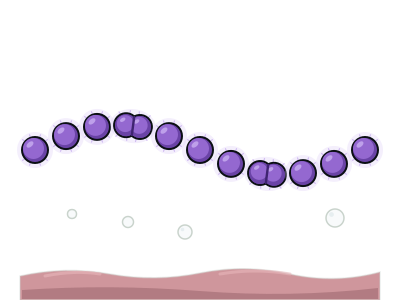
- Yogurt starter coccusWorks in a duo with the yogurt rod: together they thicken and sour milk faster than either alone.
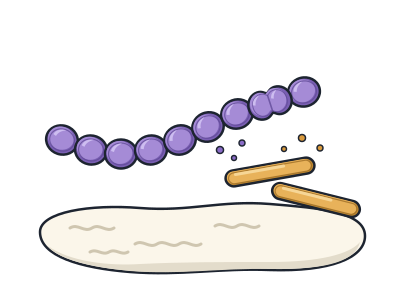
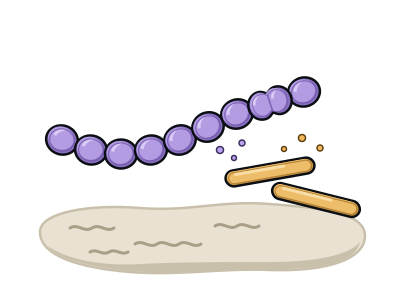
- Cheese starter bacteriumTurns milk into cheddar and gouda, and makes a natural preservative that keeps food fresh.
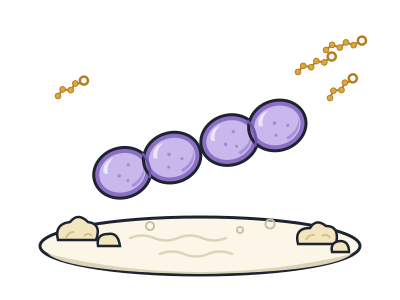
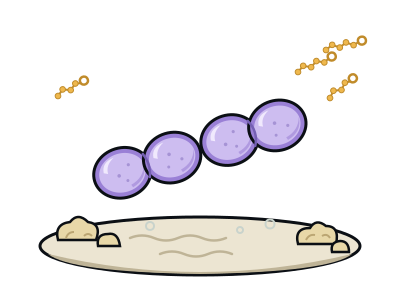
- Sauerkraut bacteriumSours cabbage into sauerkraut and kimchi, and lives on plants, pickles and olives worldwide.