A species
Sauerkraut bacterium
Lactiplantibacillus plantarum
The tiny rod that turns cabbage sour, from German sauerkraut to Korean kimchi.
You and the sauerkraut bacterium meet in the All life branch, shown at about 4.2 billion years ago (on 1 January, in a calendar from life's shared ancestor to today).
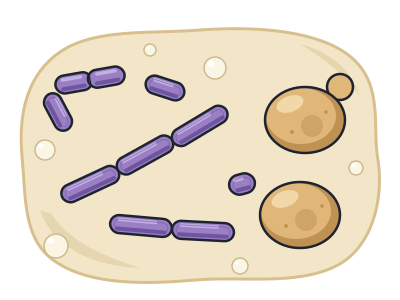
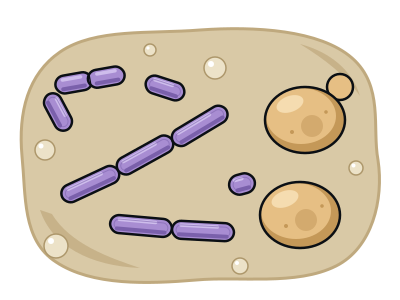
Real sauerkraut gets much of its sour tang from this tiny bacterium. It turns the sugars in cabbage into lactic acid, the sour acid that also gives kimchi, pickles and brined olives their bite. Nobody has to add it. It already lives on cabbage leaves, so shredded cabbage and a little salt are enough.
It usually isn't first on the scene. A rounder relative called Leuconostoc normally starts the ferment. As the cabbage gets more sour, the sauerkraut bacterium takes over and keeps making acid until the brine is too sour for harmful microbes. That is why sauerkraut keeps so long. In kimchi, though, too much of it late on can make the kimchi too sour and soft.
It belongs to the lactic acid bacteria, a group of acid-makers that includes the bacteria behind yogurt, cheese and sourdough. The same group also includes the germ that causes strep throat. In 2020, after comparing whole sets of genes, scientists moved it out of the yogurt bacterium's genus and into a new genus that it shares with its closest relatives.
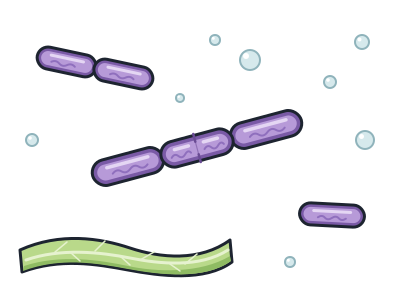
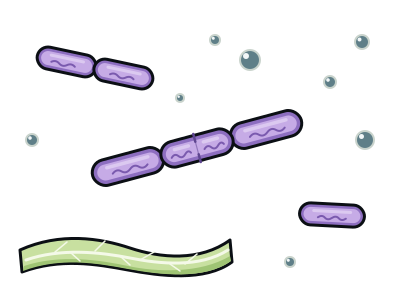
Each cell is a rod far too small to see without a microscope. It has more genes than most of its relatives, which may help it live in so many places: on fruit and cereals, in salami and sourdough, and even in human saliva and guts.
Farm helper
It is the bacterium farmers most often add to silage, the fermented grass or maize stored as winter feed for livestock.
A metal shield
Most cells that cope with oxygen protect themselves with a special enzyme. This bacterium does something unusual: it stores large amounts of the metal manganese and uses that instead.
Friend of fruit flies
In fruit flies, this one gut bacterium on its own can help young larvae grow when food is scarce. It works as well as the flies' whole natural mix of gut microbes.
Next to it on the tree
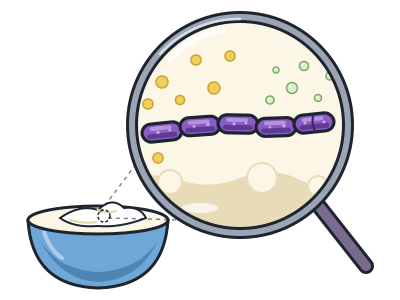
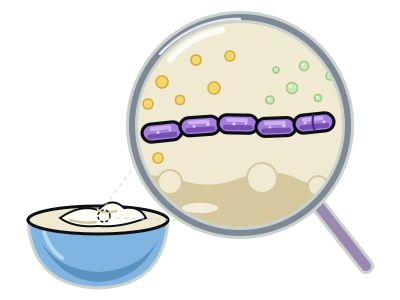
- Yogurt bacteriumTurns milk sugar into tangy acid; every pot of yogurt holds billions of these living rods.
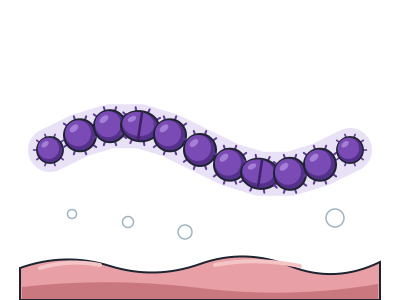
- Strep throat bacteriumGrows in bead-like chains; it causes strep throat, which a short course of antibiotics clears.
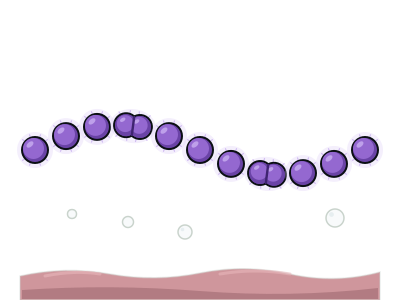
- Yogurt starter coccusWorks in a duo with the yogurt rod: together they thicken and sour milk faster than either alone.
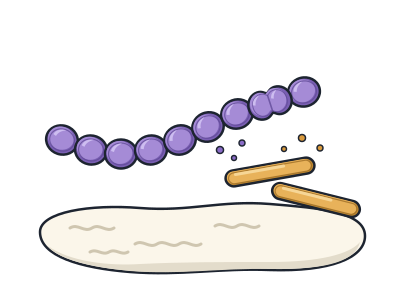
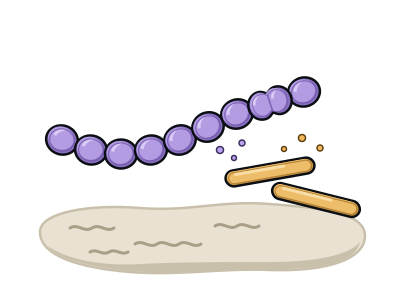
- Cheese starter bacteriumTurns milk into cheddar and gouda, and makes a natural preservative that keeps food fresh.
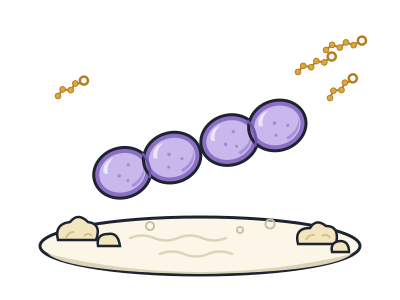
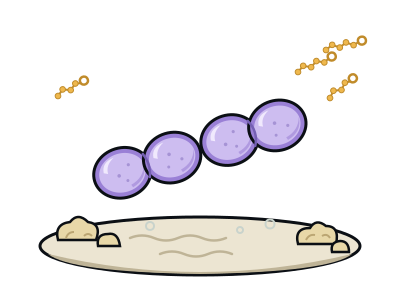
- Sourdough bacteriumNamed after San Francisco's famous bread, it gives sourdough its tang while sharing the dough with yeast.