A species
Yogurt bacterium
Lactobacillus delbrueckii subsp. bulgaricus
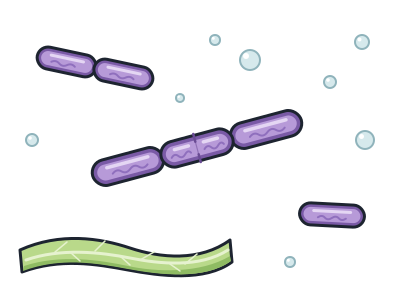
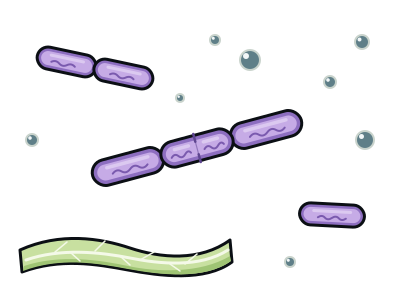
The tiny living rod that helps turn milk into tangy yogurt.
You and the yogurt bacterium meet in the All life branch, shown at about 4.2 billion years ago (on 1 January, in a calendar from life's shared ancestor to today).
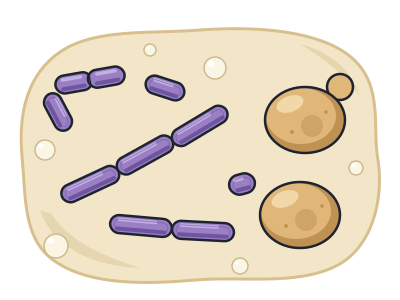
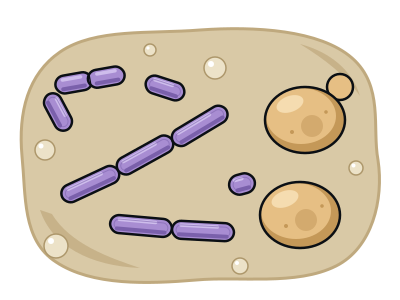
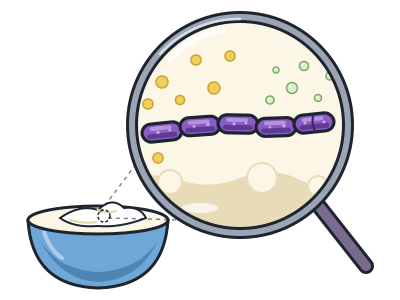
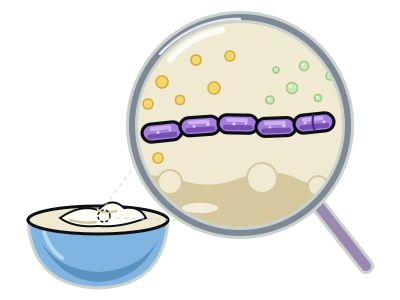
A pot of live yogurt can hold over a billion living bacteria, and many of them are these tiny rods. This bacterium feeds on milk sugar and makes lactic acid, which gives yogurt its tangy taste. The acid also makes milk proteins clump into a soft gel. That is why plain yogurt can thicken without any added thickener.
Here is the surprise. On the tree of life, it sits on the same big branch as some famous troublemakers: golden staph, the strep throat bacterium, listeria and the botulinum bacterium. Yet this one is safe to eat and does not make healthy people sick. In the US, food law says yogurt must be made with it.
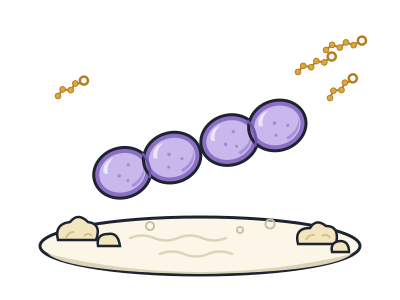
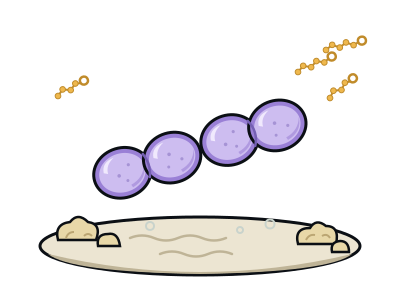
In yogurt it works as a team. Its partner is another bacterium that grows in chains of tiny round beads. The yogurt bacterium cuts milk proteins into small pieces, and its partner supplies other useful chemicals. When they grow together in milk, both grow faster than either does alone.
It is a fussy milk specialist. It grows best at about 42°C, which is a bit warmer than a hot bath. It splits each molecule of milk sugar in two, but it uses only one half and pushes the other half back out. Its DNA suggests it is still losing genes it no longer needs for a life in milk.
More than just sour
Yogurt's taste is not only sourness. As it ferments, flavour chemicals such as acetaldehyde and diacetyl form as well, and they help give yogurt its typical flavour.
A name that kept changing
Its name has changed several times since it was discovered in the early 1900s. It started as Bacillus bulgaricus, became Lactobacillus bulgaricus in 1973, and in 1984 was made part of a larger species. The 'bulgaricus' part refers to Bulgaria.
Not just yogurt
Food makers also use it to help ripen cheese, to make other fermented foods and as a probiotic.
Next to it on the tree
- Strep throat bacteriumGrows in bead-like chains; it causes strep throat, which a short course of antibiotics clears.
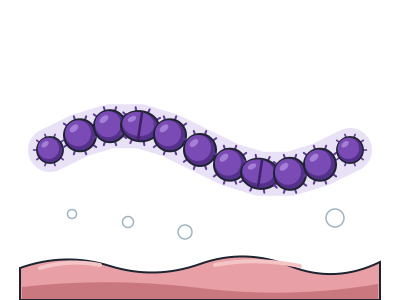
- Yogurt starter coccusWorks in a duo with the yogurt rod: together they thicken and sour milk faster than either alone.
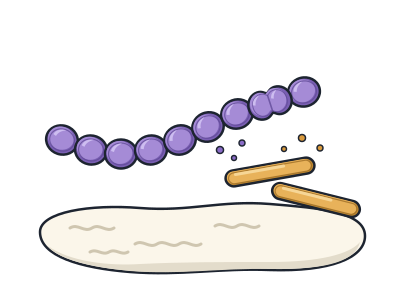
- Cheese starter bacteriumTurns milk into cheddar and gouda, and makes a natural preservative that keeps food fresh.
- Sauerkraut bacteriumSours cabbage into sauerkraut and kimchi, and lives on plants, pickles and olives worldwide.
- Sourdough bacteriumNamed after San Francisco's famous bread, it gives sourdough its tang while sharing the dough with yeast.