A species
Golden staph
Staphylococcus aureus
A common nose-dweller that can turn nasty, and has learned to shrug off medicines.
You and the golden staph meet in the All life branch, shown at about 4.2 billion years ago (on 1 January, in a calendar from life's shared ancestor to today).
Right now, about a quarter to a third of people are carrying golden staph, mostly just inside the nose or on the skin. Most never notice, and carrying it doesn't mean you are sick or dirty. But if it slips in through a cut, it can cause boils and school sores. More rarely, it causes serious infections of the bones, lungs or heart valves. It spreads by touch, so washing your hands and covering cuts help.
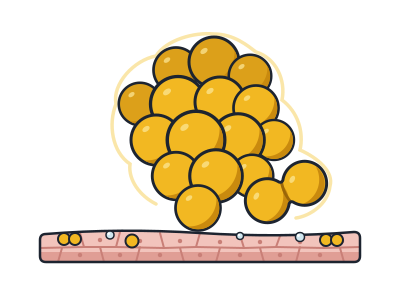
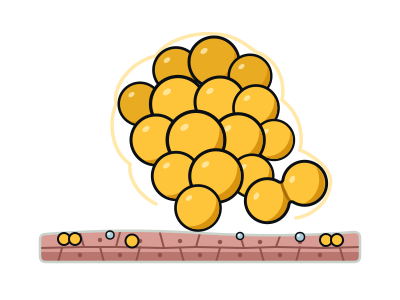
Under a microscope, its cells are tiny balls that cling together like bunches of grapes. About 100 side by side would roughly match the width of a hair. On a lab dish they grow into spots that are often golden-yellow. The colour comes from a pigment in the same family as the one in carrots. It works like a shield against the chemicals our white blood cells use to kill germs.
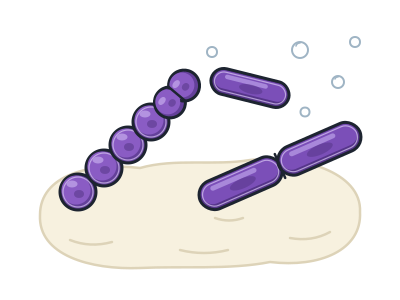
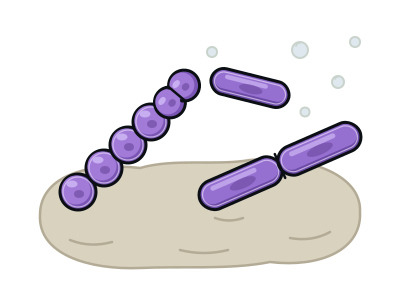
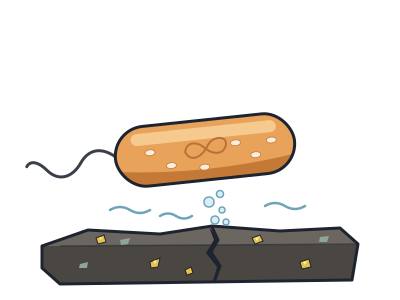
On the tree it sits in a big group with the hay bacillus and Listeria. Some of its relatives make tough spores, but golden staph can't, and it can't swim either.
Its most worrying trick is resisting medicine. By 1950, about 4 in 10 hospital samples resisted penicillin. Strains that resist methicillin, a newer drug, are called MRSA. Even so, doctors can still treat these infections.
Where penicillin was found
In 1928, Alexander Fleming came back from holiday and found a mould growing on a dish of golden staph. The bacteria around the mould had died. This led to penicillin.
Hedgehog superbugs
One type of MRSA appeared on hedgehogs about 200 years ago, long before antibiotic medicines existed. It probably evolved while competing with a skin fungus that makes its own antibiotics.
Cooking can't undo it
Golden staph can make a toxin in food that has been handled and left out. Cooking kills the bacteria but not the toxin, which can make people sick within 30 minutes to 8 hours of eating.
Next to it on the tree
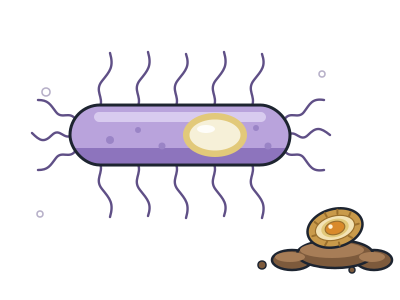
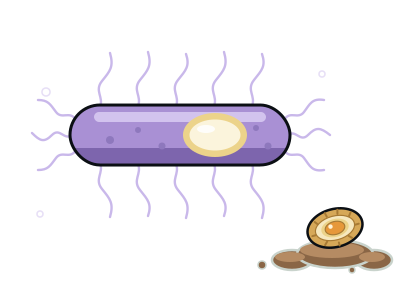
- Hay bacillusA harmless soil bacterium that seals itself into a spore able to survive boiling, drying and even space.
- Botulinum bacteriumMakes the most potent natural toxin known, which doctors now use in tiny doses as Botox.
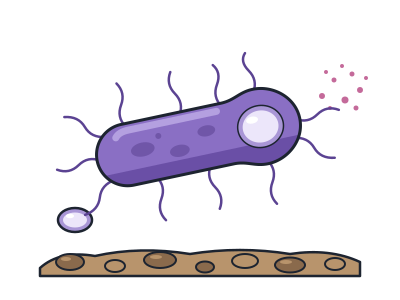
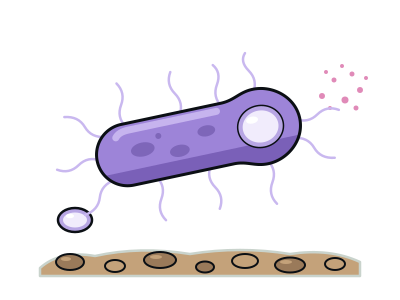
- ListeriaA food-safety microbe that can grow in the fridge and rockets around inside cells on tails of protein.
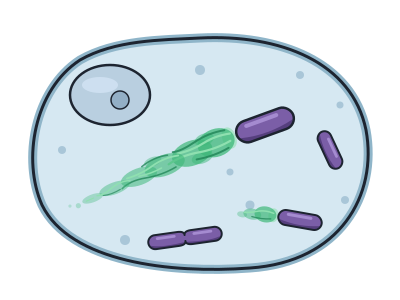
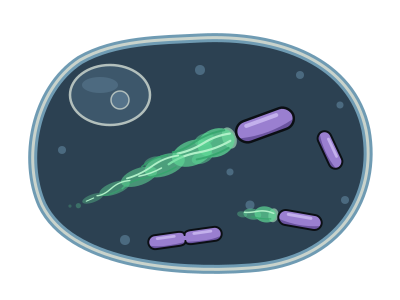
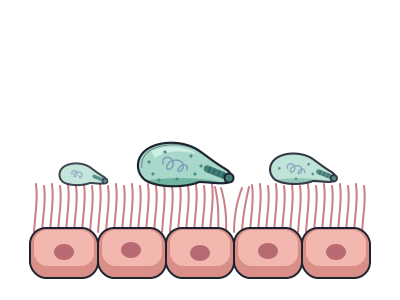
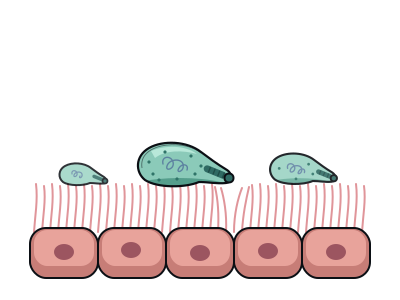
- Wall-less bacteriumOne of the smallest free-living cells, with no cell wall and a tiny genome; it causes walking pneumonia.
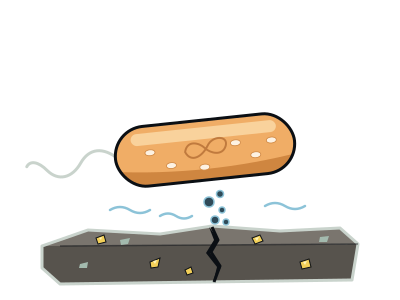
- Lone deep-earth bacteriumLives alone 2.8 km down a South African gold mine, a whole ecosystem made of one species.
- Lactic acid bacteriaThe sour-makers behind yogurt, cheese, sauerkraut and sourdough, turning sugar into tangy acid.