A species
Botulinum bacterium
Clostridium botulinum
The germ behind the deadliest natural poison, and behind Botox too
You and the botulinum bacterium meet in the All life branch, shown at about 4.2 billion years ago (on 1 January, in a calendar from life's shared ancestor to today).
This tiny germ makes the most powerful natural poison known. Scientists estimate that if it gets into the blood, about one or two billionths of a gram for each kilogram of a person's body weight could kill. Yet doctors now use one type of this same poison, purified and heavily watered down, as the medicine Botox.
The poison stops nerves from sending the chemical signal that tells muscles to tighten, so the muscles go floppy. An eye doctor called Alan Scott first used tiny injections of it in 1977 to straighten crossed eyes. Using it to smooth frown lines came later, and it was officially approved for that in the USA in 2002. Today it also helps people with very frequent migraines, stiff muscles and heavy sweating.
On the tree of life, it sits in a big group of bacteria that also includes the friendly yogurt bacterium and the hay bacillus. So a germ that can cause a deadly illness shares its branch with one that helps turn milk into yogurt.
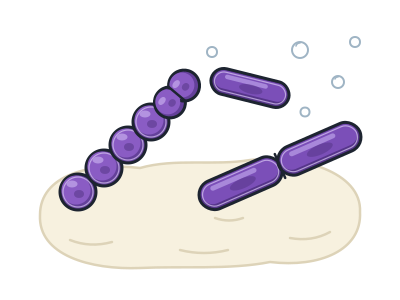
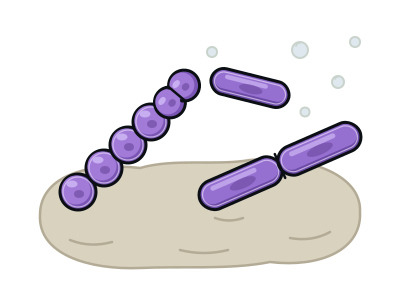
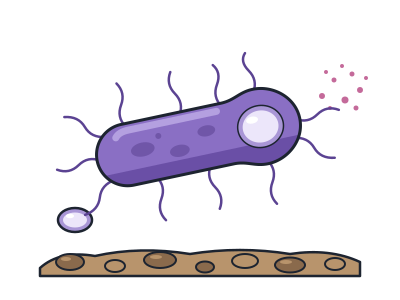
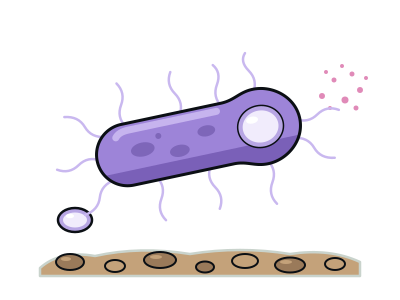
It lives in soil and in the mud of rivers, lakes and seas all over the world, mostly as tough resting spores. It can only grow where there is no oxygen, such as inside a jar of badly home-canned food. Illness from it is rare, but it is a medical emergency, which is why food-safety rules matter.
No honey for babies
Babies under one year old shouldn't be given honey. Spores in honey can grow in a baby's gut and make the poison there. For healthy older children and adults, honey is not a worry.
Danger for ducks
One type of the poison, called type C, kills wild waterbirds such as ducks. Sick birds can't hold their heads up and may drown. Fly maggots on dead birds build up the poison, and other birds eat the maggots, so outbreaks can snowball. Type C doesn't make people ill.
Heat kills the poison, not the spores
Heating food above 85 °C for at least 5 minutes destroys the poison itself. But the spores survive ordinary boiling. Killing them needs temperatures well above 100 °C, as in pressure canning.
Next to it on the tree
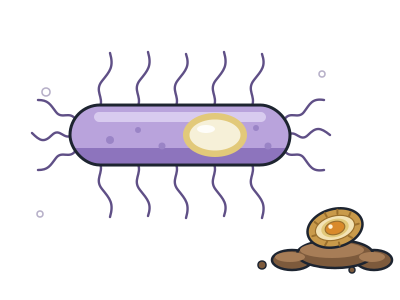
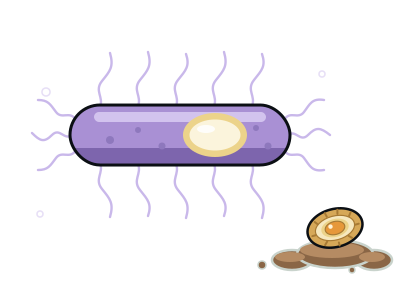
- Hay bacillusA harmless soil bacterium that seals itself into a spore able to survive boiling, drying and even space.
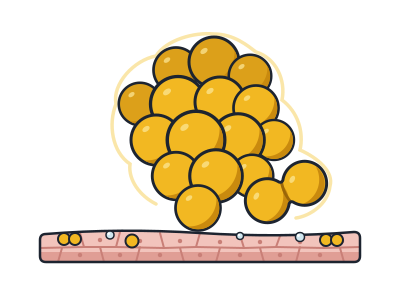
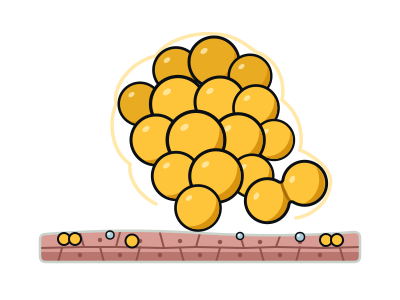
- Golden staphLives harmlessly in many noses, but can cause infections, and some strains shrug off antibiotics.
- ListeriaA food-safety microbe that can grow in the fridge and rockets around inside cells on tails of protein.
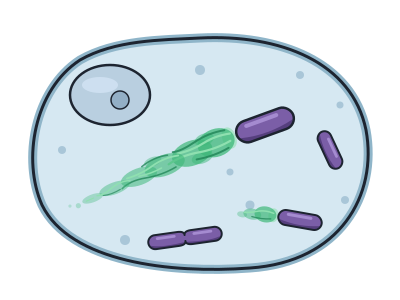
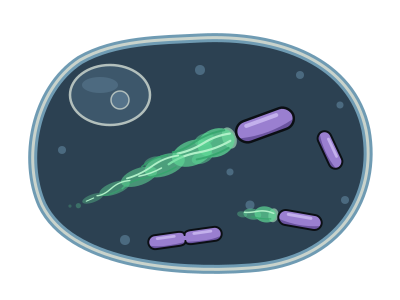
- Wall-less bacteriumOne of the smallest free-living cells, with no cell wall and a tiny genome; it causes walking pneumonia.
- Lone deep-earth bacteriumLives alone 2.8 km down a South African gold mine, a whole ecosystem made of one species.
- Lactic acid bacteriaThe sour-makers behind yogurt, cheese, sauerkraut and sourdough, turning sugar into tangy acid.