A species
Hay bacillus
Bacillus subtilis
A harmless soil bacterium that seals itself into an amazingly tough survival pod.
You and the hay bacillus meet in the All life branch, shown at about 4.2 billion years ago (on 1 January, in a calendar from life's shared ancestor to today).
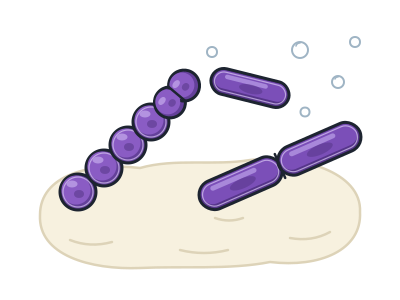
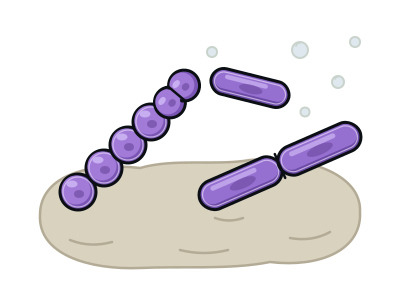
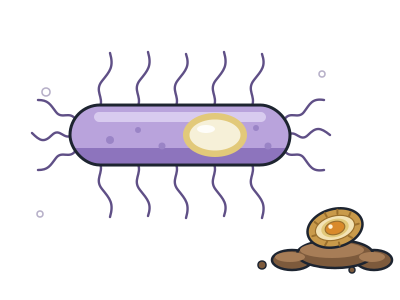
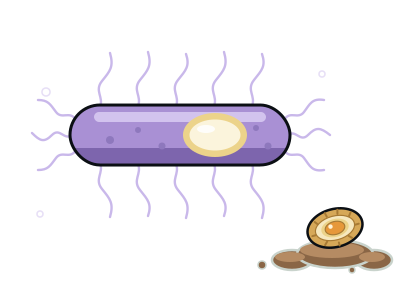
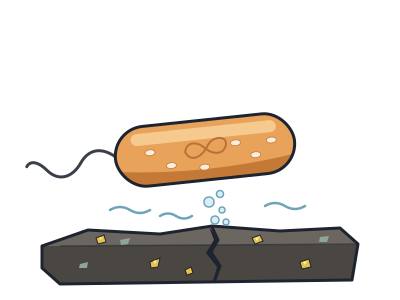
This tiny rod lives in the top layer of soil, on hay and grass, and on plant roots. It can swim using lots of thin, whip-like tails. But when food runs out, it does something remarkable. The cell splits into one big part and one small part. Over about 8 to 10 hours, the big part wraps the small part in thick protective layers. The result is a spore: a sealed, sleeping survival pod.
Spores can survive drying, salt, radiation and harsh chemicals, and they can stay alive for decades. In the 1870s, a scientist noticed that they even survive the boiling that kills active cells. Spores have also been sent into space. Some were kept in the dark outside the International Space Station for about a year and a half, and about half of them survived. Ultraviolet light from the Sun was the deadliest part of space.
Its relatives may surprise you. They include Listeria and golden staph, which can make people ill and belong to the same order of bacteria. It also belongs to the same large group as the yogurt bacterium. Yet the hay bacillus itself is generally harmless. In Japan, people eat huge numbers of them in natto, a sticky dish of fermented soybeans often eaten at breakfast.
Six years in orbit
Spores spent almost 6 years on a NASA satellite. About two-thirds of those shaded from sunlight were still alive at the end.
Busting an old myth
People once thought life could appear from non-living things. Heat-proof spores explained why boiled hay broth still grew microbes, and that helped scientists argue against the idea.
A factory helper
Companies grow it in huge amounts to make enzymes, natural chemicals that break down starch and proteins. It is also sold to farmers to protect crops from fungus.
Next to it on the tree
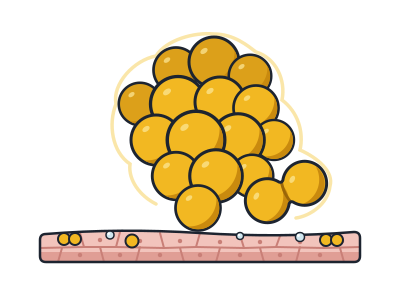
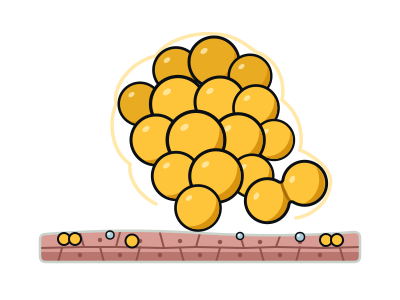
- Golden staphLives harmlessly in many noses, but can cause infections, and some strains shrug off antibiotics.
- Botulinum bacteriumMakes the most potent natural toxin known, which doctors now use in tiny doses as Botox.
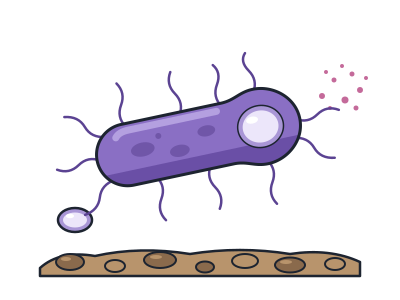
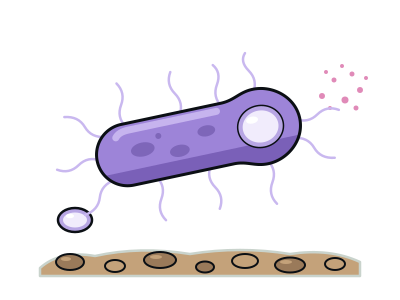
- ListeriaA food-safety microbe that can grow in the fridge and rockets around inside cells on tails of protein.
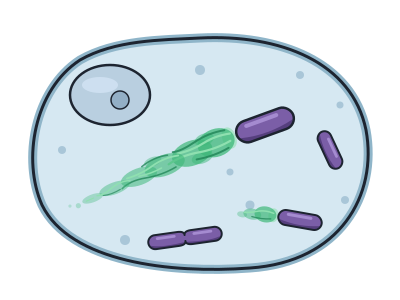
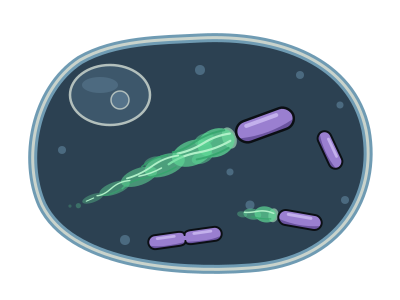
- Wall-less bacteriumOne of the smallest free-living cells, with no cell wall and a tiny genome; it causes walking pneumonia.
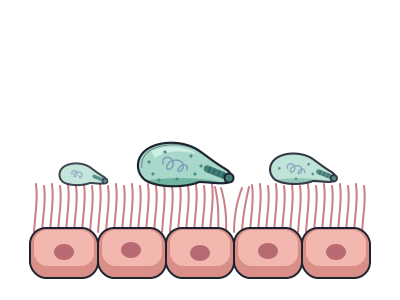
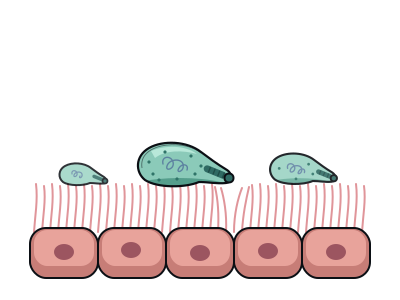
- Lone deep-earth bacteriumLives alone 2.8 km down a South African gold mine, a whole ecosystem made of one species.
- Lactic acid bacteriaThe sour-makers behind yogurt, cheese, sauerkraut and sourdough, turning sugar into tangy acid.