A species
Lone deep-earth bacterium
Candidatus Desulforudis audaxviator
A bacterium living in the dark, 2.8 km down a gold mine, where scientists found almost nothing else alive
You and the lone deep-earth bacterium meet in the All life branch, shown at about 4.2 billion years ago (on 1 January, in a calendar from life's shared ancestor to today).
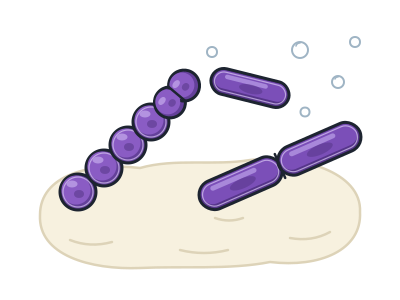
About 2.8 kilometres down a gold mine near Johannesburg, South Africa, water seeps out of a crack in the rock. Scientists filtered about 5,600 litres of it. More than 99.9% of the DNA they found came from just one kind of bacterium. It was the first ecosystem ever found that seemed to hold only a single species.
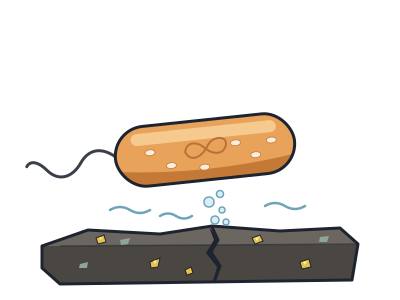
It lives in total darkness, with no oxygen, so it cannot rely on sunlight or on neighbours. Instead, natural radioactivity in the rock splits water and makes hydrogen and sulfate. The bacterium uses these chemicals for energy. It 'breathes' sulfate the way we breathe oxygen. With almost no other life around, it has to make all its own building blocks, using carbon dioxide and ammonia from the rock and water.
It may sound like an alien, but its relatives are familiar. It belongs to the same big group of bacteria as the hay bacillus, the yoghurt bacterium and the botulinum bacterium. Like the hay bacillus and the botulinum bacterium, it has genes for making tough resting spores. It also has genes for a whip-like tail for swimming.
Named after a novel
Its name comes from Jules Verne's 'Journey to the Centre of the Earth'. 'Audax viator' means 'bold traveller', from a Latin message in the book.
Twins on three continents
It has since turned up in Siberia, California and other South African mines. When scientists studied 126 cells from three continents, they were almost genetically identical.
Hotter than a bath
The water it lives in is about 60 °C, hotter than a hot bath. It is also quite alkaline, a bit like water with baking soda dissolved in it.
Next to it on the tree
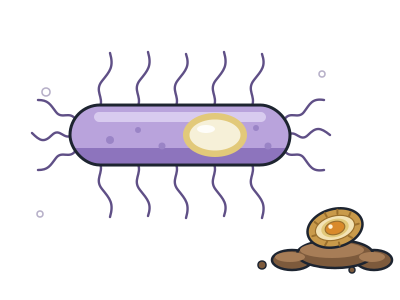
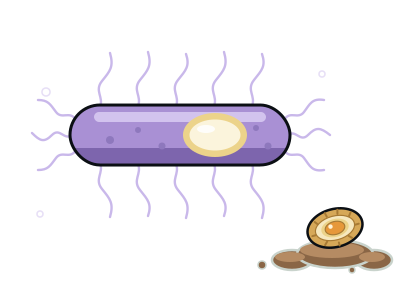
- Hay bacillusA harmless soil bacterium that seals itself into a spore able to survive boiling, drying and even space.
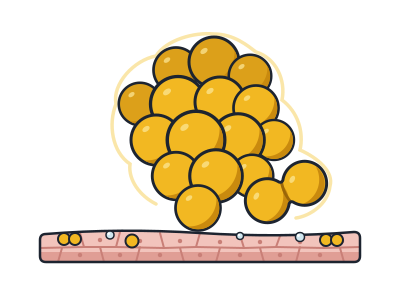
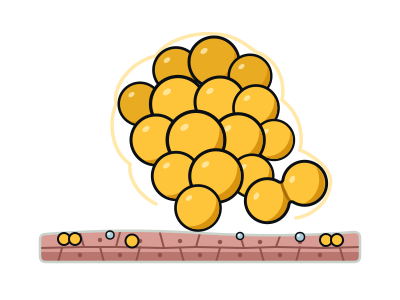
- Golden staphLives harmlessly in many noses, but can cause infections, and some strains shrug off antibiotics.
- Botulinum bacteriumMakes the most potent natural toxin known, which doctors now use in tiny doses as Botox.
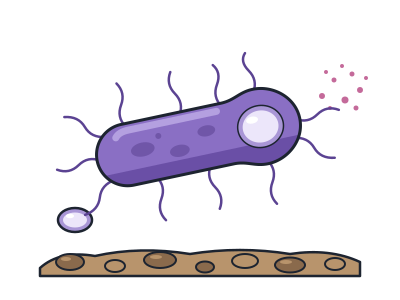
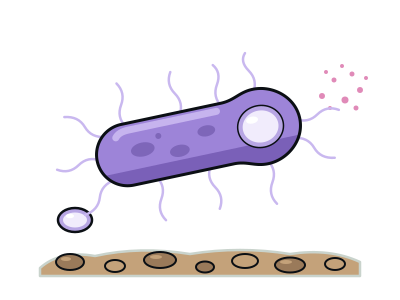
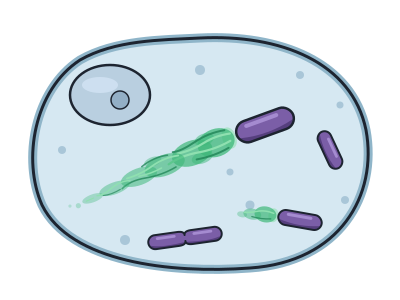
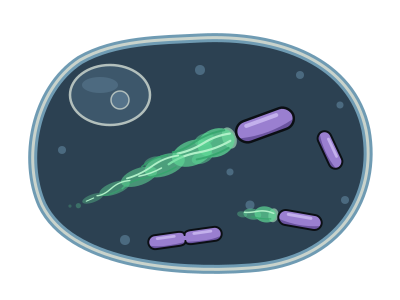
- ListeriaA food-safety microbe that can grow in the fridge and rockets around inside cells on tails of protein.
- Wall-less bacteriumOne of the smallest free-living cells, with no cell wall and a tiny genome; it causes walking pneumonia.
- Lactic acid bacteriaThe sour-makers behind yogurt, cheese, sauerkraut and sourdough, turning sugar into tangy acid.