A group of living things
Forams
Foraminifera
One-celled shell builders whose fossils fill limestone and record ancient seas
This branch is shown at about 800 million years ago; its age is a rough estimate.
You and forams meet in the Eukaryotes branch, shown at about 1.8 billion years ago (on 28 July, in a calendar from life's shared ancestor to today).
Picture a single cell that builds itself a shell, often with many rooms. That is a foram. Each one is just one cell, not an animal. Yet over millions of years their shells have piled up in such vast numbers that some limestone is packed with them. Their close relatives include the radiolarians, another group of single cells.
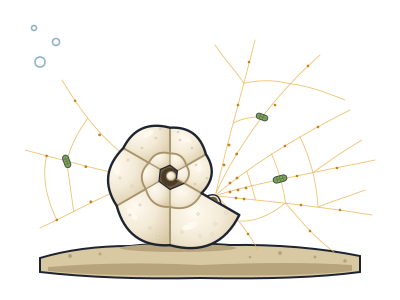
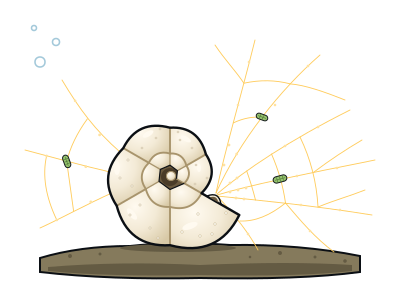
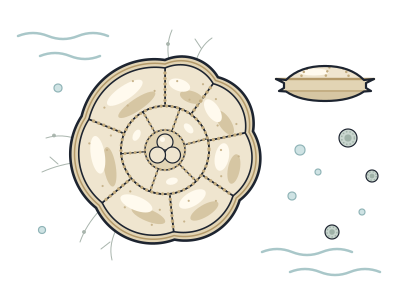
A foram's shell can be made of tough organic material, sand grains glued together, or chalky crystals of calcite. Many forams add a new chamber as they grow. Very thin, branching threads of the cell stream out of the shell like a fine net. These threads catch bacteria, diatoms and even tiny animals. Most forams are smaller than 1 millimetre, about the size of a grain of sand.
As a chalky shell grows, it takes in oxygen from seawater. Oxygen comes in lighter and heavier forms, and the water temperature changes how much of each ends up in the shell. So each shell keeps a chemical record of the water it grew in. By measuring fossil shells, scientists work out how warm the oceans were long ago.
You can even see forams in the Great Pyramids of Giza. Much of the pyramids' limestone is packed with the coin-shaped shells of a large foram. That stone formed about 40 million years ago.
A cell as big as a plate
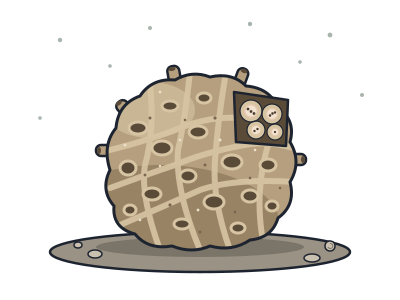
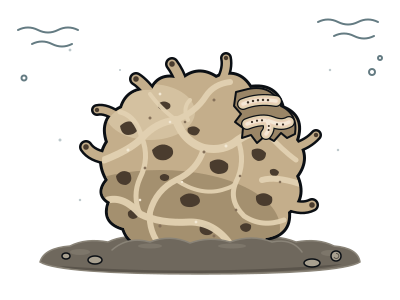
One deep-sea foram, the living beach ball, can grow to about 20 cm across. It is still just one cell, though it has many nuclei. That makes it one of the largest single cells known.
Not the workers' lunch
The ancient Greek geographer Strabo described lentil-shaped stones at the pyramids. He repeated a story that they were the workers' leftover food, turned to stone.
Shell-dwelling gardeners
Some larger forams 'farm' tiny algae that live inside their shells.
Inside forams
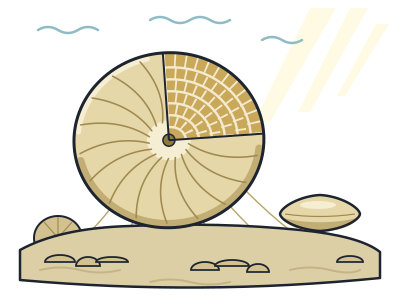
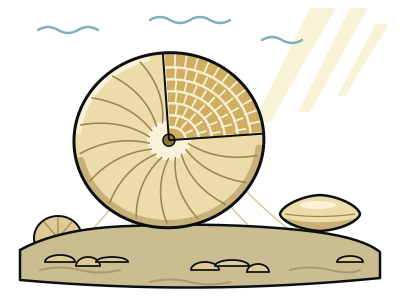
- Pyramid coin-shellCoin-sized shells packed into the limestone of the Giza pyramids.
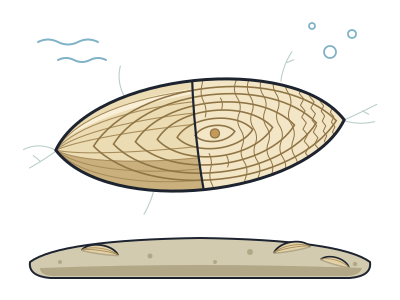
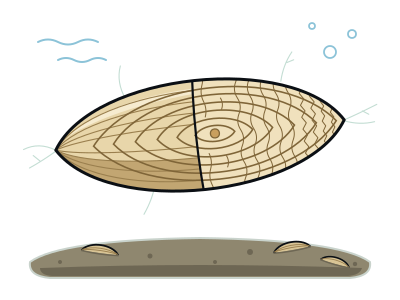
- FusulinidsRice-grain shells that crowded warm seas for 80 million years, then died in the Great Dying.
- Living beach ballA single cell up to 20 centimetres across, living on the deep sea floor.
- GlobotruncanaKeeled, wheel-shaped plankton shells of the dinosaur age, wiped out by the asteroid impact.
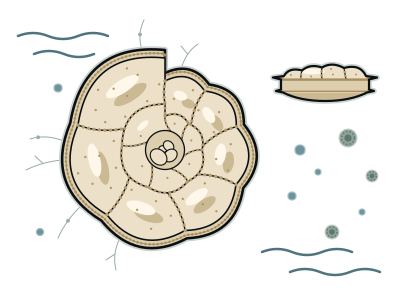
- GlobigerinaA floating foram whose shells carpet the ocean floor and record past climates.
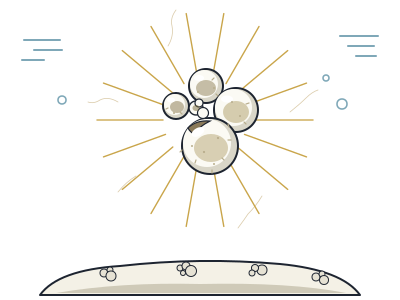
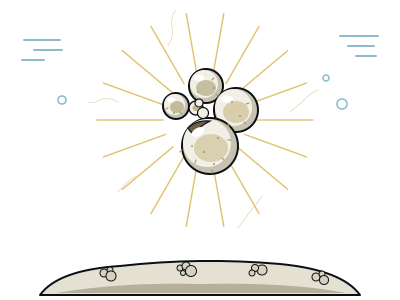
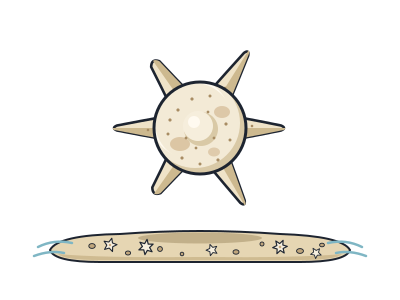
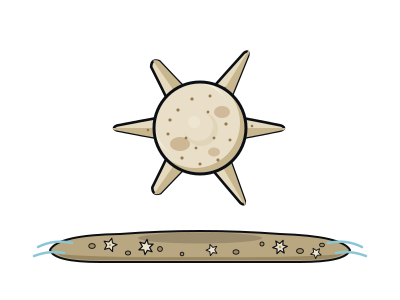
- Star sandThe tiny star-shaped grains on some Okinawan beaches are the shells of this foram.
Next to it on the tree
- RadiolariansPlankton with glass or crystal skeletons like snowflakes, made famous by Ernst Haeckel's drawings.
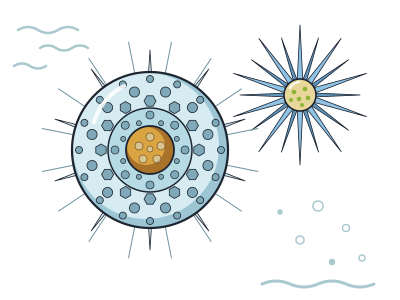
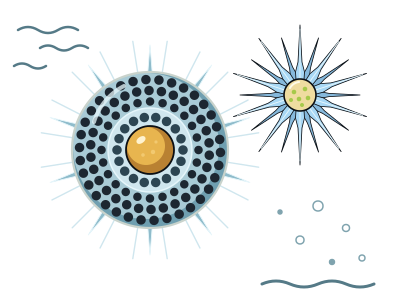
- Green amoeba algaAn amoeba that captured a green alga, which still keeps a miniature leftover nucleus.
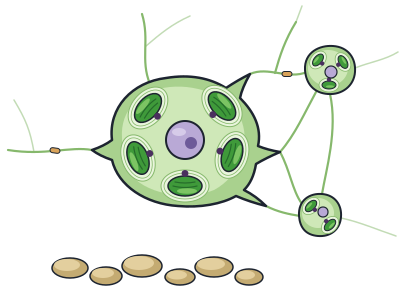
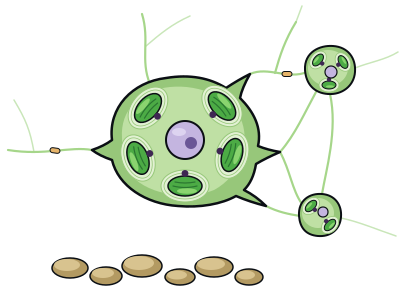
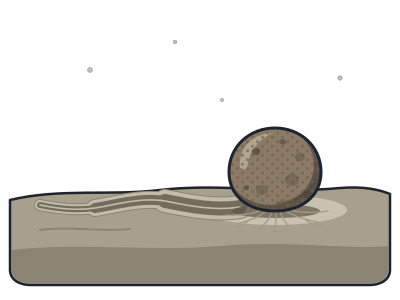
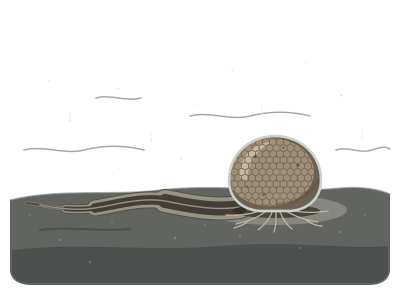
- Sea grapeA grape-sized single cell that rolls along the deep seabed, leaving tracks like an animal's.
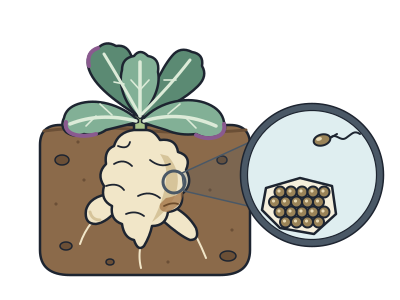
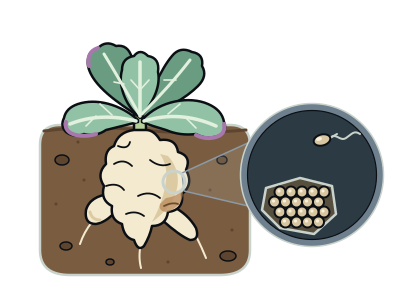
- ClubrootA cabbage disease that swells roots into knobbly clubs; it is a rhizarian, not a fungus.
- PaulinellaA shelled amoeba that swallowed a cyanobacterium and made its own solar panel, separately from plants.
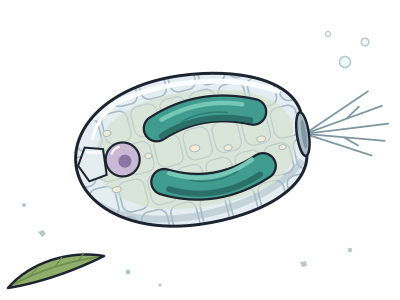
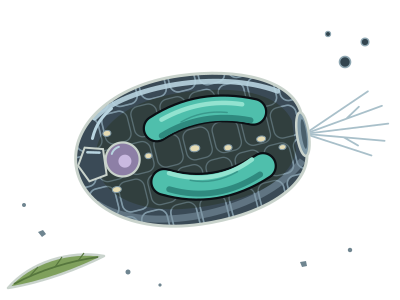
- Glass-scale amoebaBuilds a see-through shell from overlapping glass scales, like a tiny shingled urn.
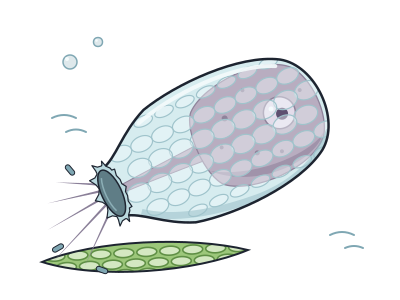
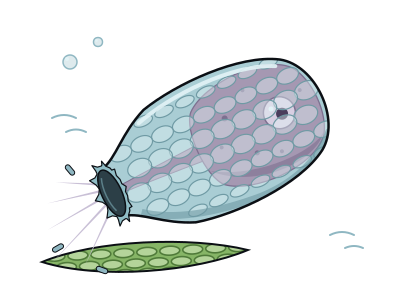
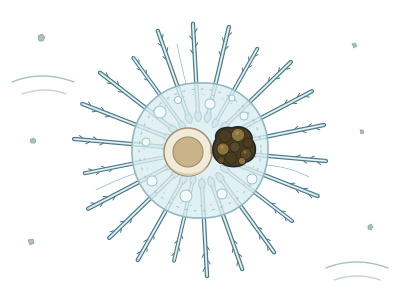
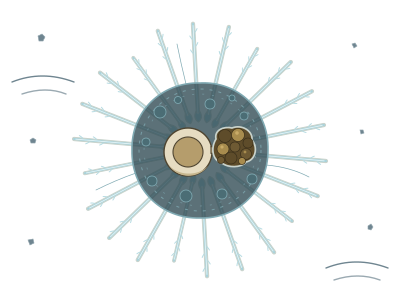
- PhaeodarianA deep-sea plankton cell bristling with hollow glass spines around a dark food bundle.