A species
Paulinella
Paulinella chromatophora
A tiny shelled amoeba that built its own solar panels, separately from plants
You and the paulinella meet in the Eukaryotes branch, shown at about 1.8 billion years ago (on 28 July, in a calendar from life's shared ancestor to today).
Plants and many algae run on tiny solar panels that were once free-living bacteria. For a long time, theirs was the only known case of a swallowed bacterium becoming a permanent solar panel. But this little shelled amoeba did it too. It swallowed a cyanobacterium and turned it into its own solar panel, separately from plants.
It is not a plant at all. Its relatives on the tree include forams and radiolarians. The glass-scale amoeba belongs to the same group of shelled amoebae, which build their homes from glassy plates. Plants got their solar panels from a different cyanobacterium, and that happened much longer ago.
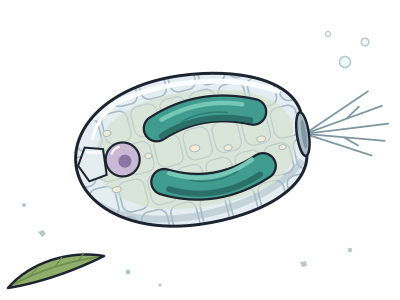
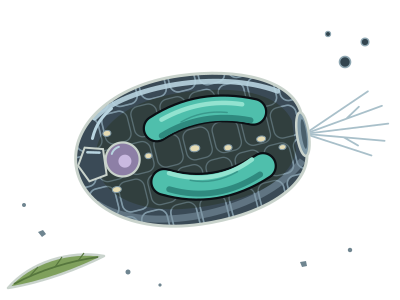
Each cell usually carries two blue-green, sausage-shaped solar panels called chromatophores. When the cell divides, they divide too, so each new cell gets its share. They still keep about 867 of their own genes, far more than a plant's solar panels have. But they have lost genes for some everyday jobs, so they depend on the amoeba. The amoeba depends on them too. Unlike its relatives that do not use sunlight, it can no longer swallow food.
It lives in fresh water among water plants and debris. Its see-through shell is only about 20 to 30 micrometres long. About 40 of them lined up end to end would span one millimetre.
A Christmas Eve find
Robert Lauterborn found it in mud from the River Rhine on Christmas Eve 1894. He named it after his stepmother, Pauline.
Slow and shady
It grows slowly, splitting in two only about once every 6 to 7 days, and it prefers low light.
A label that works in plants
Some of the larger proteins it sends into its solar panels carry an 'address label' that looks very different from the one plants use. Even so, scientists used this label to send proteins into the solar panels of tobacco plants.
Next to it on the tree
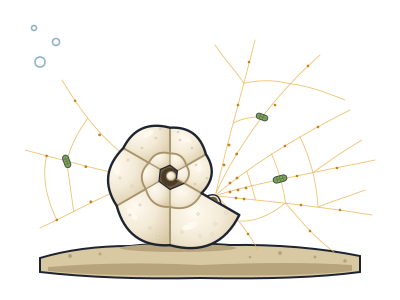
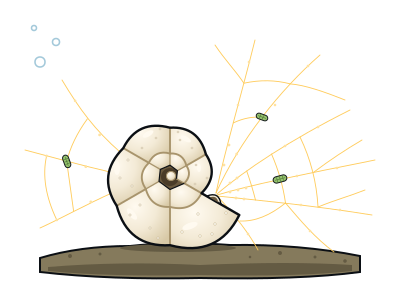
- ForamsShell-building single cells whose fossils fill limestone and record past ocean temperatures.
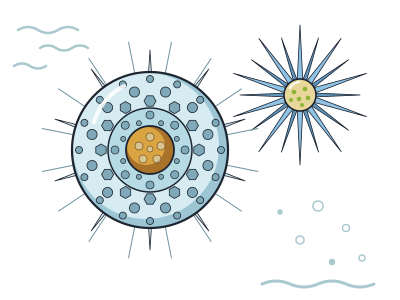
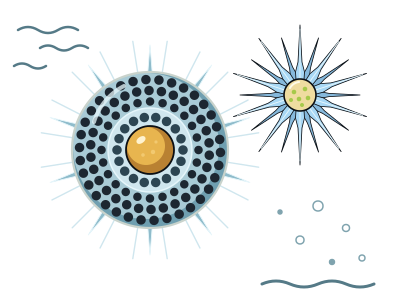
- RadiolariansPlankton with glass or crystal skeletons like snowflakes, made famous by Ernst Haeckel's drawings.
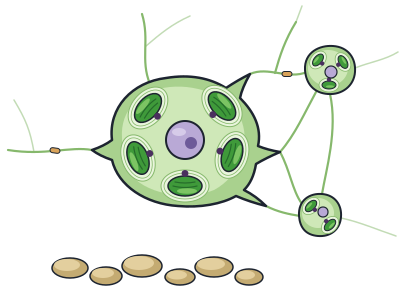
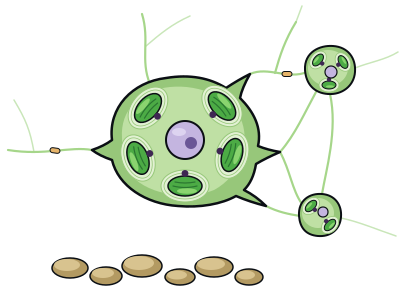
- Green amoeba algaAn amoeba that captured a green alga, which still keeps a miniature leftover nucleus.
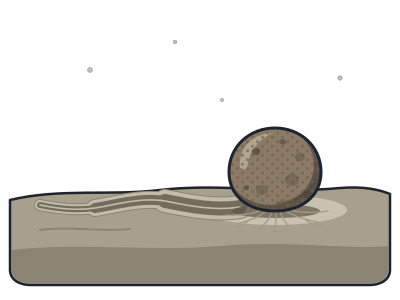
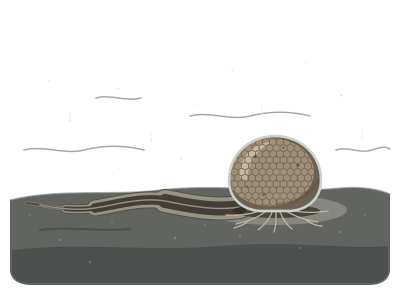
- Sea grapeA grape-sized single cell that rolls along the deep seabed, leaving tracks like an animal's.
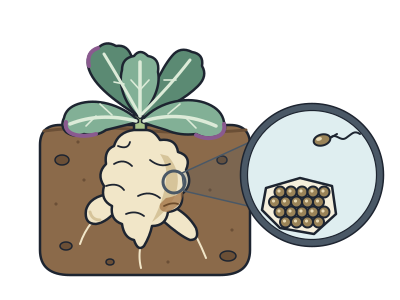
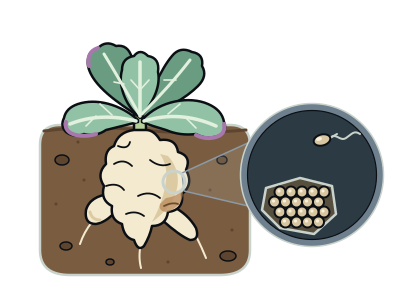
- ClubrootA cabbage disease that swells roots into knobbly clubs; it is a rhizarian, not a fungus.
- Glass-scale amoebaBuilds a see-through shell from overlapping glass scales, like a tiny shingled urn.
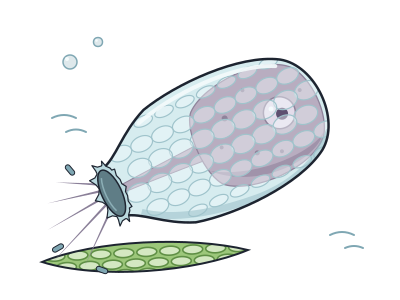
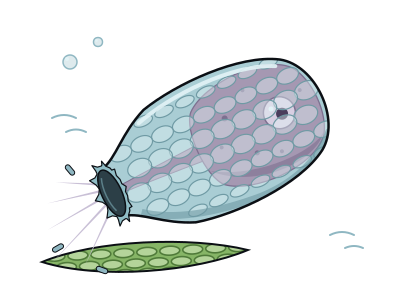
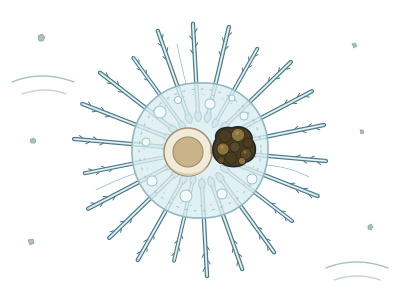
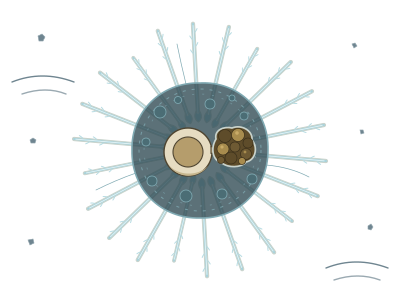
- PhaeodarianA deep-sea plankton cell bristling with hollow glass spines around a dark food bundle.