A species
Clubroot
Plasmodiophora brassicae
The cabbage disease that isn't a fungus
You and the clubroot meet in the Eukaryotes branch, shown at about 1.8 billion years ago (on 28 July, in a calendar from life's shared ancestor to today).
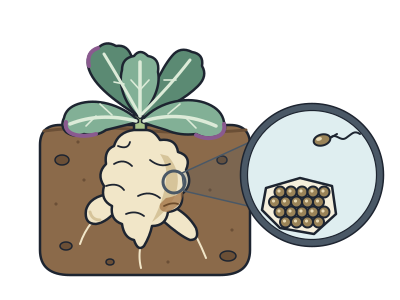
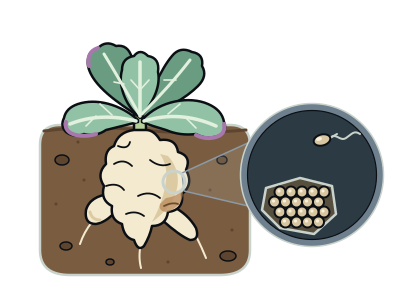
Pull up a sickly cabbage and you might find its roots swollen into knobbly lumps, like fingers and toes or a twisted fist. This is clubroot. Garden centres often call it a fungus, but it is not one. It is a tiny single-celled living thing called a rhizarian. That puts it in the same big group as forams and radiolarians, and a long way from mushrooms and other fungi.
It can spend years waiting in the soil as tough resting spores. In wet soil, the spores release tiny swimming spores. These swim to the root hairs of cabbage-family plants and get inside. There they grow into a shapeless blob of living material with many nuclei. The blob releases more swimmers, which infect deeper parts of the root. In the end the blobs turn into new resting spores. When the swollen root rots, the spores return to the soil, ready for the next crop.
It attacks many plants in the cabbage family, including Brussels sprouts, cauliflowers, turnips, swedes, radishes and wallflowers. Infected plants are stunted, often have purplish leaves and wilt in hot weather.
A potato relative
Its closest known relative is another root microbe that causes powdery scab, a disease that leaves rough, scabby patches on potatoes.
A very slow mystery
Scientists only pieced together its life cycle in 2020, about 142 years after it was discovered. They reported a stage where two swimming spores join together inside root cells.
A worldwide pest
Clubroot harms cabbage-family crops in more than 60 countries.
Next to it on the tree
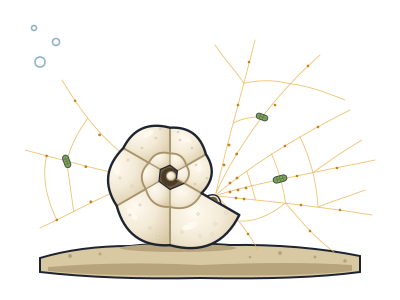
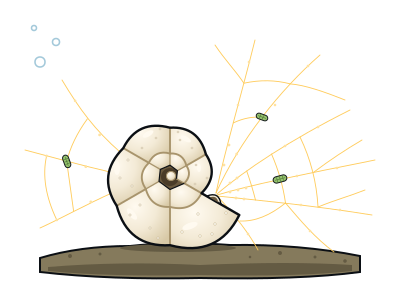
- ForamsShell-building single cells whose fossils fill limestone and record past ocean temperatures.
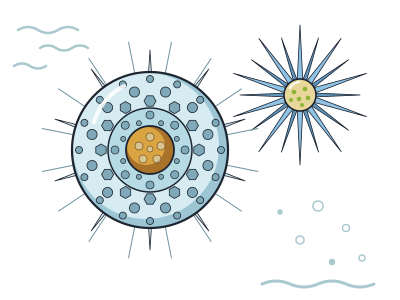
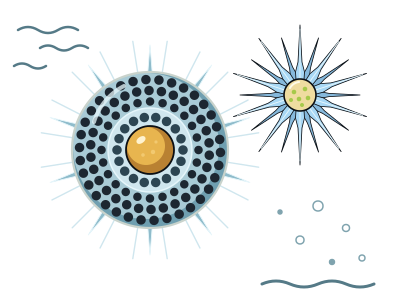
- RadiolariansPlankton with glass or crystal skeletons like snowflakes, made famous by Ernst Haeckel's drawings.
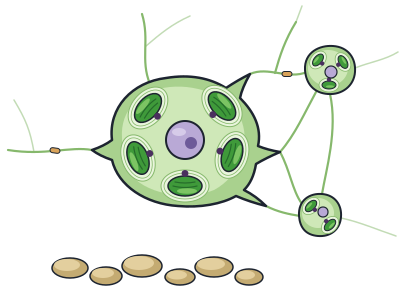
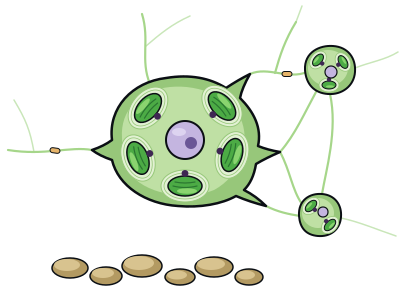
- Green amoeba algaAn amoeba that captured a green alga, which still keeps a miniature leftover nucleus.
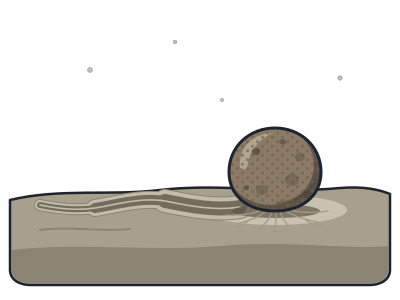
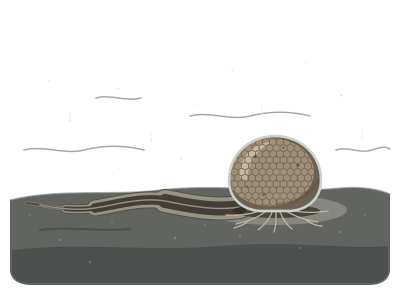
- Sea grapeA grape-sized single cell that rolls along the deep seabed, leaving tracks like an animal's.
- PaulinellaA shelled amoeba that swallowed a cyanobacterium and made its own solar panel, separately from plants.
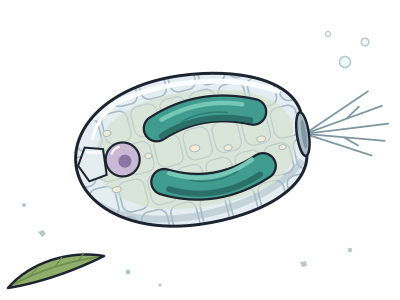
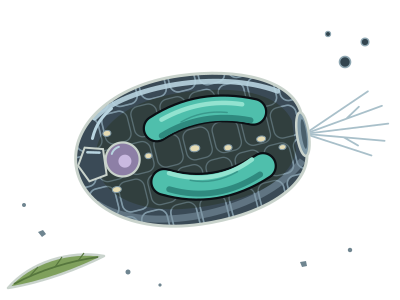
- Glass-scale amoebaBuilds a see-through shell from overlapping glass scales, like a tiny shingled urn.
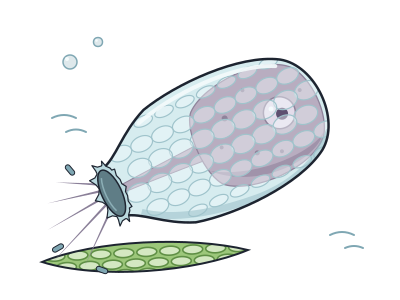
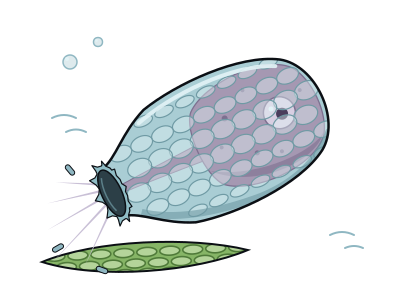
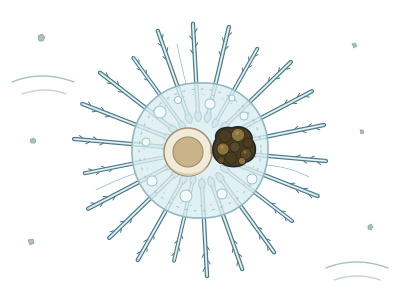
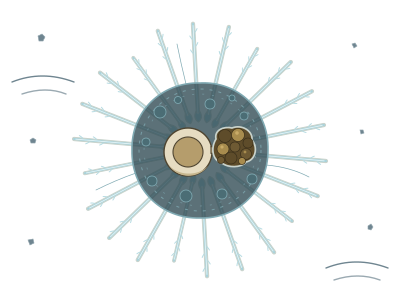
- PhaeodarianA deep-sea plankton cell bristling with hollow glass spines around a dark food bundle.