A species
Star sand
Baculogypsina sphaerulata
Beach sand made of tiny stars, each one the shell of a single cell
You and the star sand meet in the Eukaryotes branch, shown at about 1.8 billion years ago (on 28 July, in a calendar from life's shared ancestor to today).
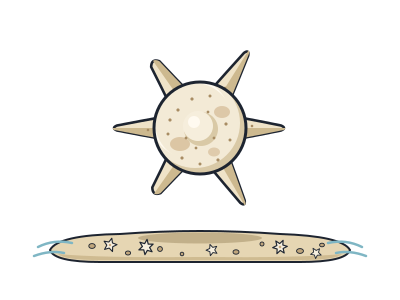
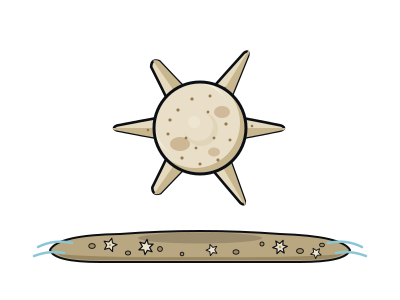
On a few beaches in Okinawa, Japan, the sand is full of tiny stars. Each one is about a millimetre across, with a rounded middle and a ring of spines. They are not bits of rock, and they are not baby starfish. Each star is the empty shell of one living cell, a sea creature called a foram.
Forams are protists. That means they are not plants or animals. On the tree of life they sit in a big branch that also holds kelp and diatoms. Here is the surprise: this foram keeps tiny diatoms living inside its shell. The diatoms use sunlight to make sugars and oxygen. So each grain was once one big cell sharing its home with many smaller partner cells.
Living star sand is not usually found on loose, shifting sand. Instead it clings to seagrass, seaweed and coral rubble in warm, shallow, sunlit reef water. It reaches out fine, sticky threads to grip things and move about. When it dies, waves and tides wash its shell onto nearby beaches.
It is not only found in Japan. It lives on reefs across the Indo-Pacific, from Guam to the Great Barrier Reef. It seems to be missing from cooler waters, probably because its diatoms need warmth.
It glows
Under ultraviolet light, star sand grains glow green and blue.
A star legend
A Taketomi Island legend says the Southern Cross gave birth to star children in the sea. An angry sea god had a sea serpent swallow them, and only their small white star-shaped bones washed ashore as sand.
Star or sun?
In Okinawa, people tell 'star sand' apart from rounder 'sun sand'. Many visitors mix the two up.
Next to it on the tree
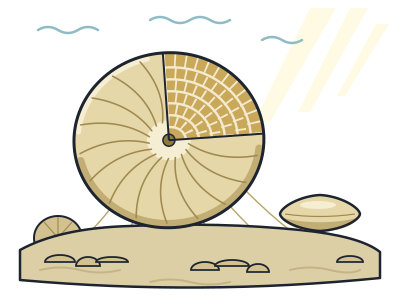
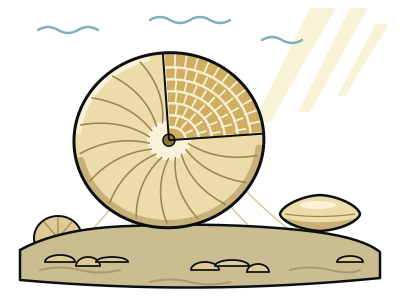
- Pyramid coin-shellCoin-sized shells packed into the limestone of the Giza pyramids.
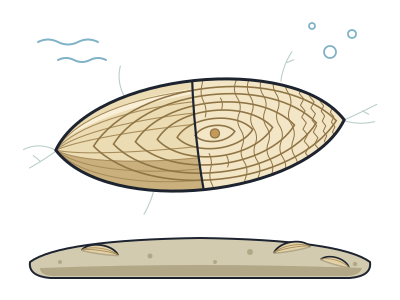
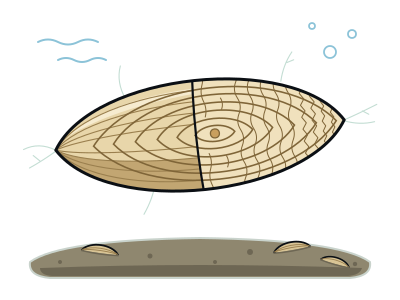
- FusulinidsRice-grain shells that crowded warm seas for 80 million years, then died in the Great Dying.
- Living beach ballA single cell up to 20 centimetres across, living on the deep sea floor.
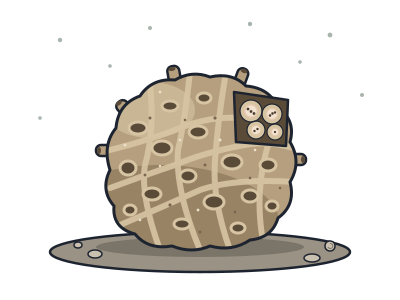
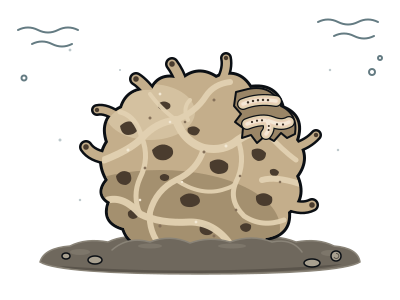
- GlobotruncanaKeeled, wheel-shaped plankton shells of the dinosaur age, wiped out by the asteroid impact.
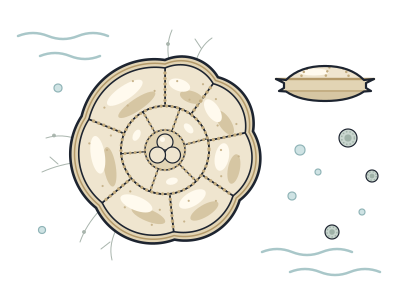
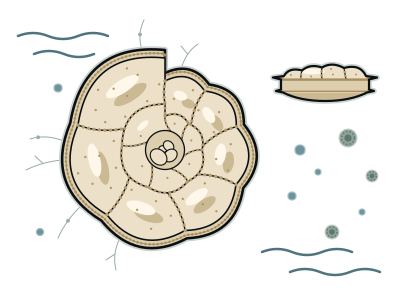
- GlobigerinaA floating foram whose shells carpet the ocean floor and record past climates.