A species
Globigerina
Globigerina bulloides
A drifting speck whose shells blanket the seafloor and keep a diary of Earth's climate.
You and the globigerina meet in the Eukaryotes branch, shown at about 1.8 billion years ago (on 28 July, in a calendar from life's shared ancestor to today).
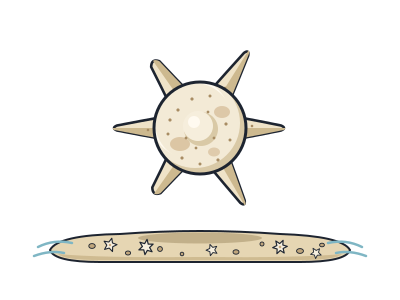
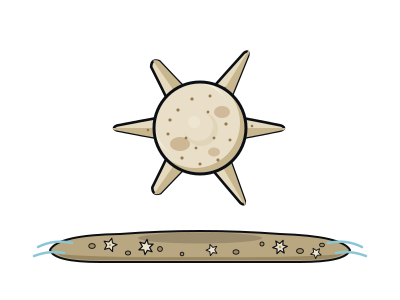
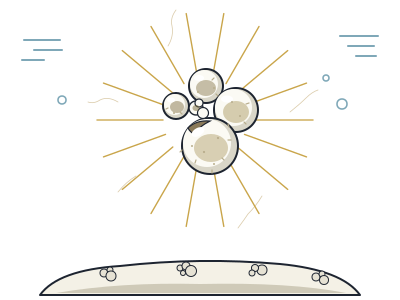
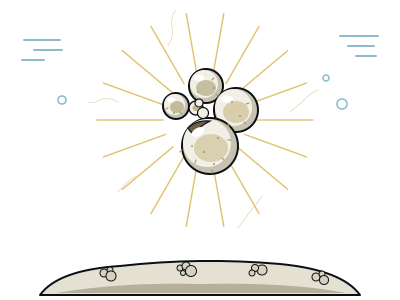
This tiny drifter is a single cell, about the size of a full stop. It floats near the surface of the open ocean inside a chalky shell made of round, bubble-like chambers, each bigger than the last. When it dies, the empty shell sinks. Over thousands of years, countless shells of this and other forams pile up into a soft white mud across large parts of the deep seafloor, known as Globigerina ooze.
It has a shell, but it is not a tiny shellfish. Forams are single cells, and they are closer kin to radiolarians, diatoms and even kelp than to snails or clams. A living one bristles with needle-thin spines. Between them runs a web of sticky threads that catches tiny algae and sometimes small animals.
The shells also keep a record of the past. Their chemistry depends on the water they grew in. Shells from deep-sea mud cores have helped scientists work out when great ice sheets began spreading across the north, about 2.5 to 3 million years ago. A shell holds more magnesium when the water is warmer, so each one works a bit like a fossil thermometer.
This species has drifted through the seas for about 27 million years and is still common today, especially in cool waters.
A city built of shells
Malta's golden Globigerina Limestone is made almost entirely of foram shells. People have built with it for about 6,000 years, including the city of Valletta and the island's prehistoric temples.
Named from Italian mud
The French naturalist Alcide d'Orbigny named it in 1826, from shells found in sediment near Rimini on Italy's Adriatic coast.
No algae partners
Many other floating forams carry partner algae that live inside them. This one does not. It builds its shell in the top 30 to 50 metres of the sea.
Next to it on the tree
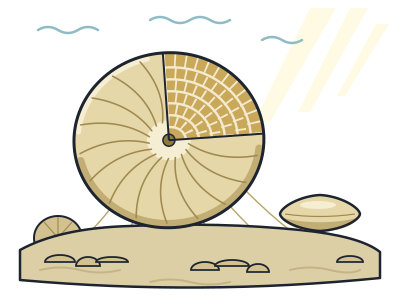
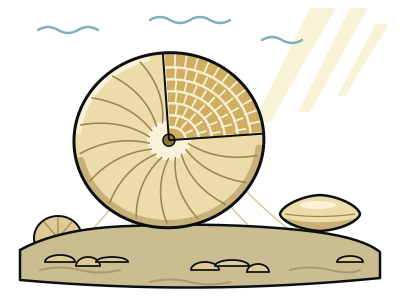
- Pyramid coin-shellCoin-sized shells packed into the limestone of the Giza pyramids.
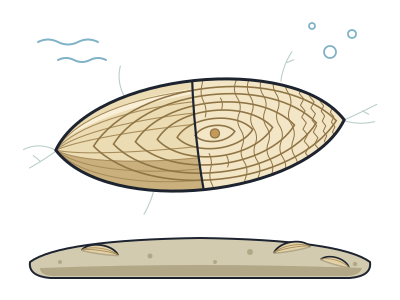
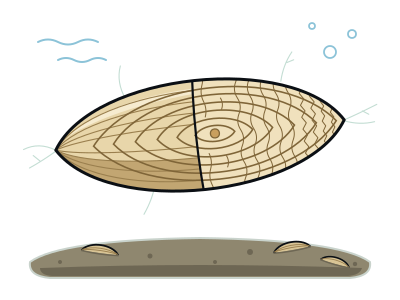
- FusulinidsRice-grain shells that crowded warm seas for 80 million years, then died in the Great Dying.
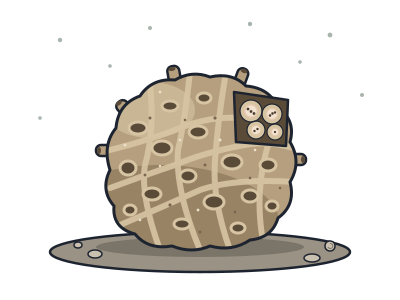
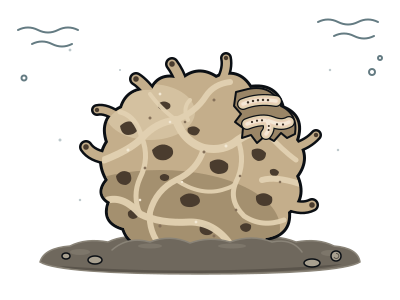
- Living beach ballA single cell up to 20 centimetres across, living on the deep sea floor.
- GlobotruncanaKeeled, wheel-shaped plankton shells of the dinosaur age, wiped out by the asteroid impact.
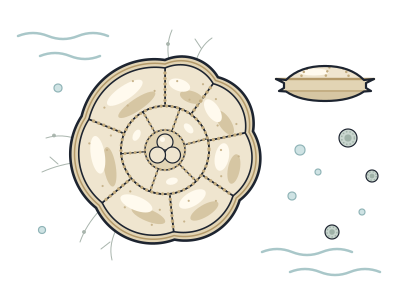
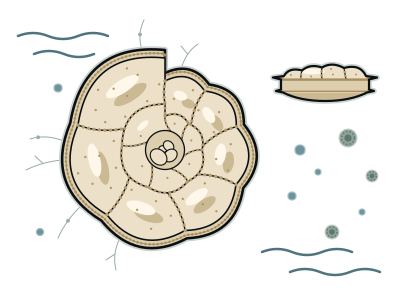
- Star sandThe tiny star-shaped grains on some Okinawan beaches are the shells of this foram.