A group of living things
Gilled mushrooms
Agaricales
The biggest mushroom order: fairy rings, field mushrooms and deadly amanitas
This branch is shown at about 170 million years ago; its age is a rough estimate.
You and gilled mushrooms meet in the Fungi and animals branch, shown at about 1.3 billion years ago (on 10 September, in a calendar from life's shared ancestor to today).
This is the biggest order of mushrooms. More than 13,000 kinds have been described, and most carry thin, papery gills under the cap. The gills make and release spores. The group runs from the button mushrooms in your supermarket to deadly amanitas such as the death cap.
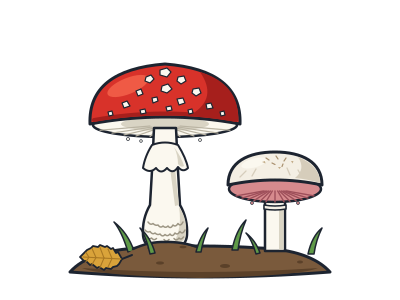
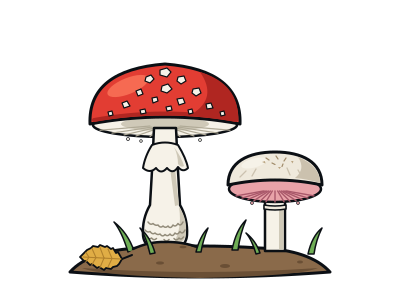
Picture a bright red fly agaric with white flecks standing beside a plain white field mushroom. They look nothing alike, but they are relatives in the same order. The bigger surprise is who else belongs. Puffballs, tiny bird's nest fungi and some coral-shaped fungi have no gills, yet DNA studies show they sit on this same branch. No single feature you can see links every member. Only their DNA shows they belong together.
It works the other way too. Gills evolved more than once, so some gilled mushrooms, such as milk caps, belong to other groups.
Members live in many ways. Many rot dead wood and leaves. Others team up with tree roots, and some attack plants, other fungi or even tiny worms. Some grow in partnership with termites. The mushroom you see is only the spore-making part of a much bigger web of threads in soil or wood.
A mushroom from dinosaur times
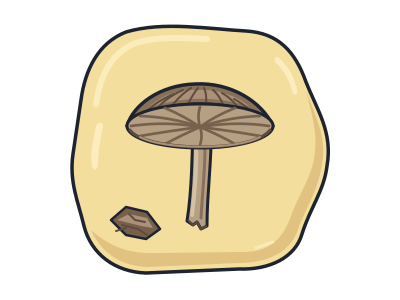
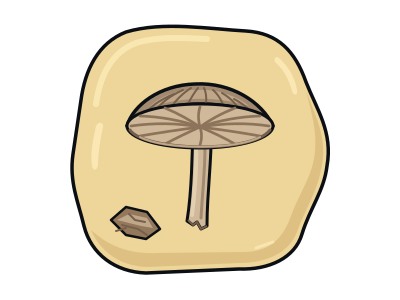
The oldest known fossil mushroom comes from north-east Brazil and is about 113 to 120 million years old. Unlike other fossil mushrooms, which are trapped in amber, it was turned to stone in limestone. It still shows gills under its cap.
Mushrooms that make lichens
A few members of this order team up with tiny green algae to form lichens. The lichen part is made of tiny green balls or flakes scattered over soil or moss, so it is easy to miss.
Dinner and disease
Matsutake, a mushroom prized as food in Japan, belongs to this order. So does honey fungus, which causes serious disease in trees.
Inside gilled mushrooms
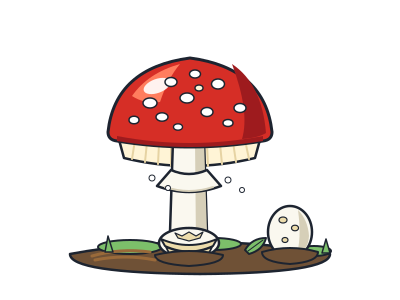
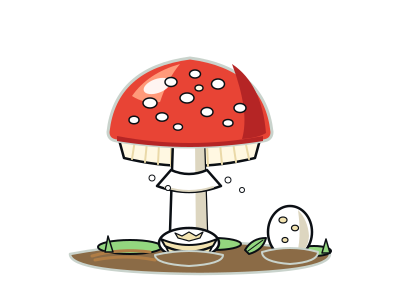
- Fly agaricThe red-and-white fairytale toadstool; poisonous, and partnered underground with birch and pine roots.
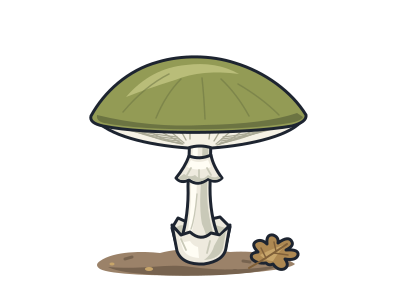
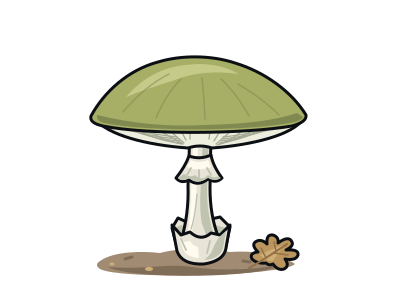
- Death capA plain greenish mushroom that is the world's most deadly; never pick it to eat.
- Oyster mushroomFan-shaped shelves on dead wood that also trap and eat tiny worms.
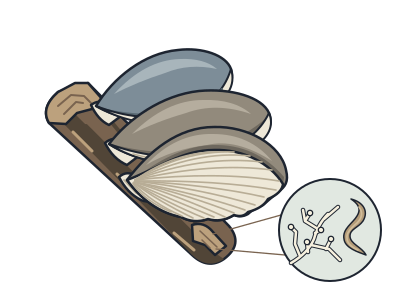
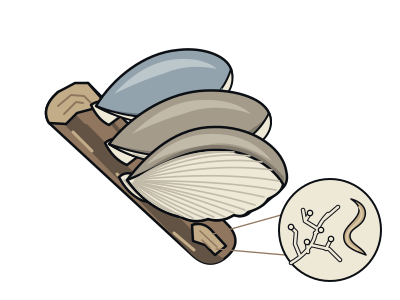
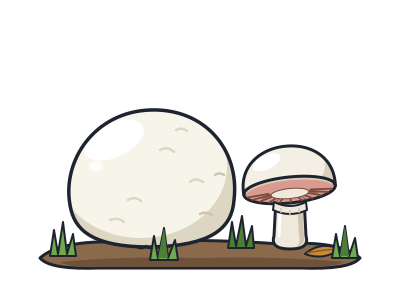
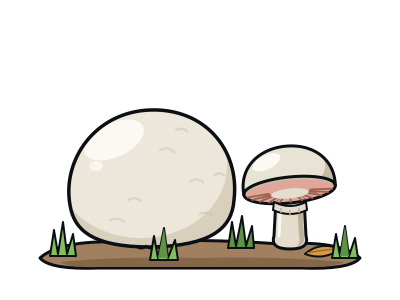
- Field mushrooms and puffballsOne family holds supermarket mushrooms, parasols, shaggy ink caps and round puffballs that never open a cap.
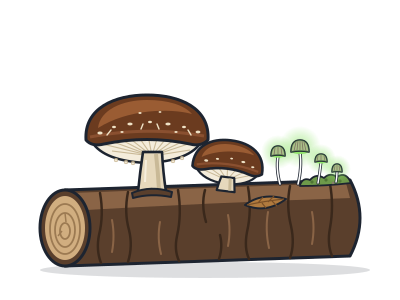
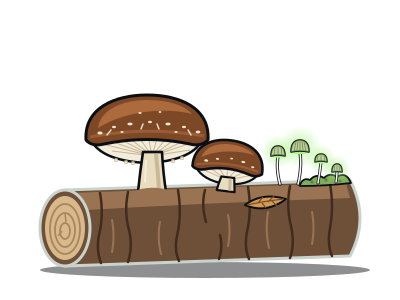
- Fairy rings, enoki and honey fungiTough little mushrooms that dry out and revive, plus log-growers, glow-in-the-dark kinds and giant honey fungi.
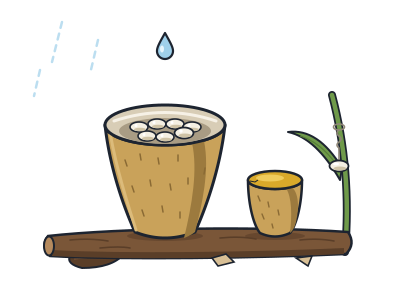
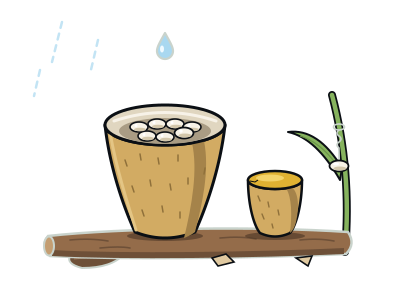
- Common bird's nest fungusA tiny cup holding spore 'eggs' that raindrops splash out, sometimes a metre away.
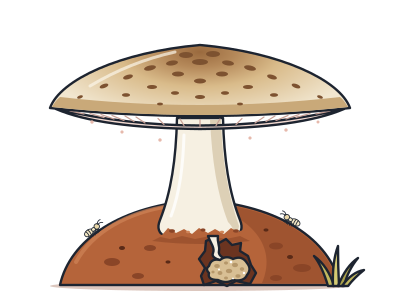
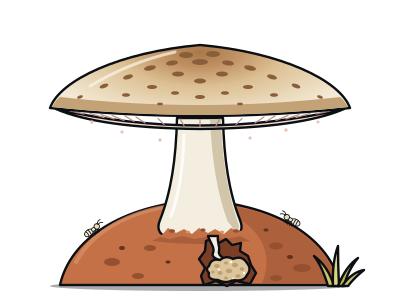
- Giant termite mushroomSprouts from termite mounds in Africa with a cap up to a metre across, the largest edible mushroom.
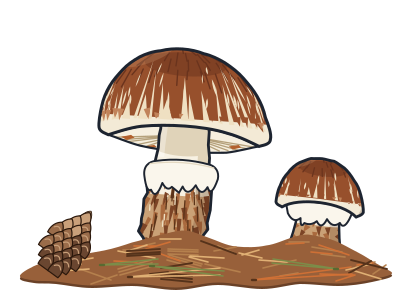
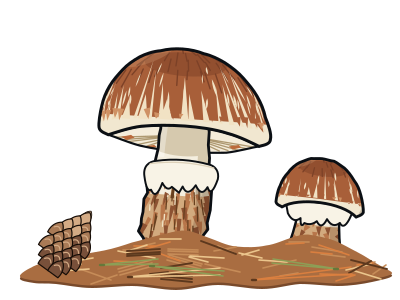
- MatsutakeA spicy-smelling pine-forest mushroom so prized in Japan that a single one can cost as much as a meal out.
- GondwanagaricitesThe oldest gilled mushroom fossil, flattened in Brazilian limestone about 115 million years ago.