A species
Giant termite mushroom
Termitomyces titanicus
The biggest mushroom you can eat grows out of a termite farm.
You and the giant termite mushroom meet in the Fungi and animals branch, shown at about 1.3 billion years ago (on 10 September, in a calendar from life's shared ancestor to today).
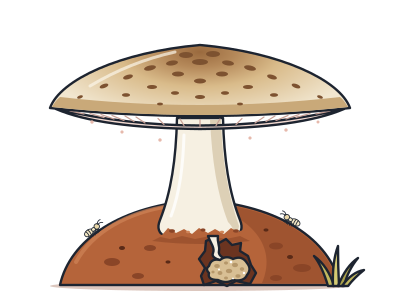
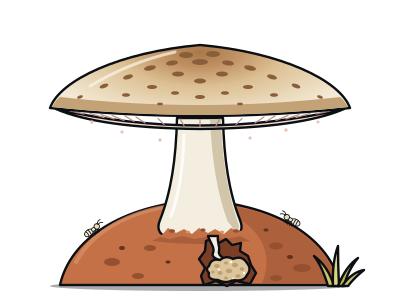
Picture a mushroom with a cap as wide as a small table. This one sprouts from termite mounds in parts of Africa. Its cap can reach about 1 metre across, and its stalk can be more than half a metre long. It is widely described as the largest mushroom in the world that people can eat.
It is a gilled mushroom, so it is related to the oyster mushroom and the field mushrooms people cook at home. But it lives in a farm run by insects. Fungus-growing termites cannot break down the tough parts of wood and grass on their own. Inside their nest, they build gardens from partly digested plant material. The fungus grows there and turns that material into food the termites can digest. The termites give it a sheltered home, and in return it feeds them.
Most of the year, the fungus stays hidden in the nest. After rain, it pushes mushrooms up through the soil on a long, root-like part of the stalk. These mushrooms release spores. Many new termite colonies do not get their fungus from their parents. Instead they pick it up from the wild, often from spores like these. So the giant mushroom helps spread the fungus from one nest to the next.
Hiding in plain sight
Scientists only gave it a formal name in 1980. The two experts who named it wrote that it was 'incredible' that such a large fungus, well known and common in Zambia, had gone undescribed for so long.
Tiny cousin
Its own genus also includes one of the smallest termite mushrooms, whose cap is rarely wider than about 2 cm. That is about the width of a coin, next to a cap that can be a metre across.
No farm-grown ones
Nobody can grow termite mushrooms without termites yet, so every one that gets eaten has been picked in the wild. Researchers in Copenhagen are working on ways to farm them.
Next to it on the tree
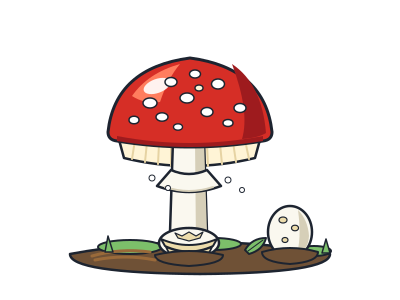
- Fly agaricThe red-and-white fairytale toadstool; poisonous, and partnered underground with birch and pine roots.
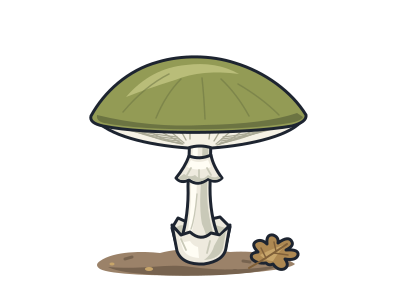
- Death capA plain greenish mushroom that is the world's most deadly; never pick it to eat.
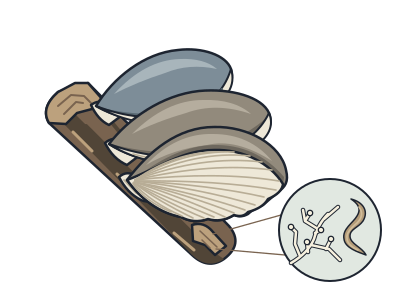
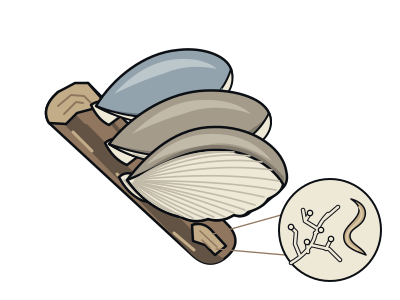
- Oyster mushroomFan-shaped shelves on dead wood that also trap and eat tiny worms.
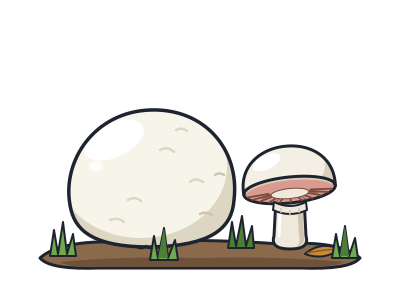
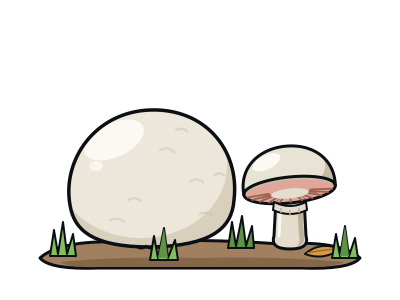
- Field mushrooms and puffballsOne family holds supermarket mushrooms, parasols, shaggy ink caps and round puffballs that never open a cap.
- Fairy rings, enoki and honey fungiTough little mushrooms that dry out and revive, plus log-growers, glow-in-the-dark kinds and giant honey fungi.
- Common bird's nest fungusA tiny cup holding spore 'eggs' that raindrops splash out, sometimes a metre away.
- MatsutakeA spicy-smelling pine-forest mushroom so prized in Japan that a single one can cost as much as a meal out.
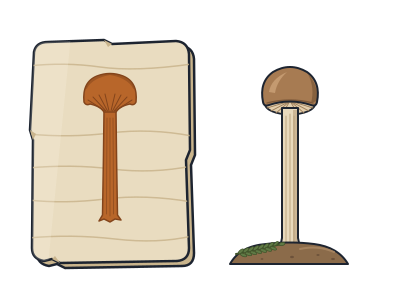
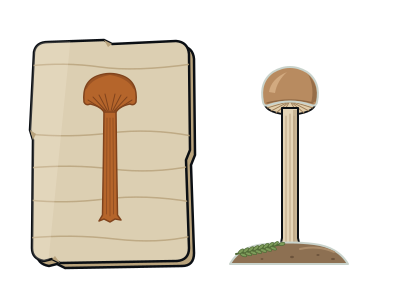
- GondwanagaricitesThe oldest gilled mushroom fossil, flattened in Brazilian limestone about 115 million years ago.