A species
Oyster mushroom
Pleurotus ostreatus
Wood-rotting shelves with a taste for tiny worms.
You and the oyster mushroom meet in the Fungi and animals branch, shown at about 1.3 billion years ago (on 10 September, in a calendar from life's shared ancestor to today).
Fan-shaped shelves on dead wood hide an unexpected hunter: a fungus that also feeds on tiny worms. The oyster mushroom is not a plant. Like other fungi, it is more closely related to animals than to plants, even though it grows in one place.
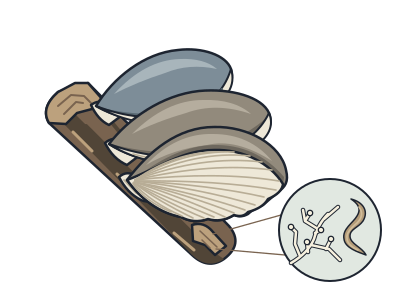
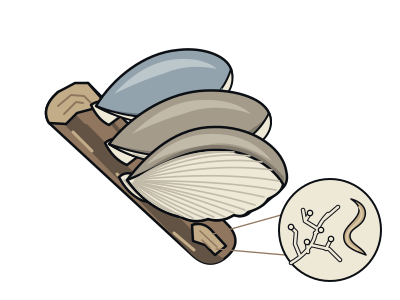
Its worm-catching equipment belongs to a network of fine threads, not to the mushroom caps. Microscopic structures shaped like tiny lollipops store a chemical that paralyses roundworms called nematodes. Feeding on these worms supplies nitrogen, a nutrient that is difficult for the fungus to obtain from wood. The caps themselves do not snap shut.
The fungus also breaks down tough materials in wood, helping return nutrients to its surroundings. Above this hidden work, the mushrooms overlap like roof tiles. Crowded, pale folds called gills line their undersides and continue down their short stalks.
Changing colours
Young caps can be blue-grey with curled-under edges. Older caps often become grey-brown, with wavy edges.
Repeat appearances
The same occupied log can produce new mushrooms several times in one season.
A colourful visitor
In Missouri, an orange-and-black pleasing fungus beetle is often found on oyster mushrooms.
Next to it on the tree
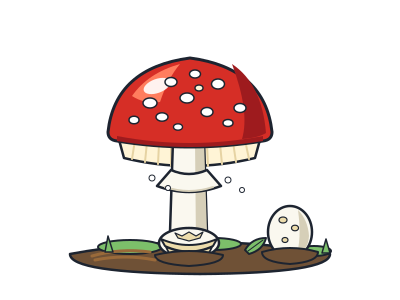
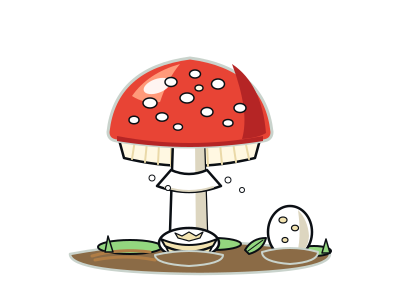
- Fly agaricThe red-and-white fairytale toadstool; poisonous, and partnered underground with birch and pine roots.
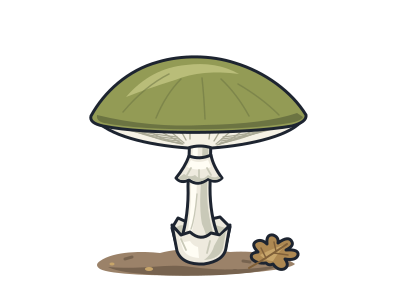
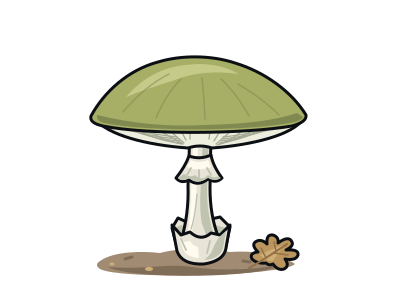
- Death capA plain greenish mushroom that is the world's most deadly; never pick it to eat.
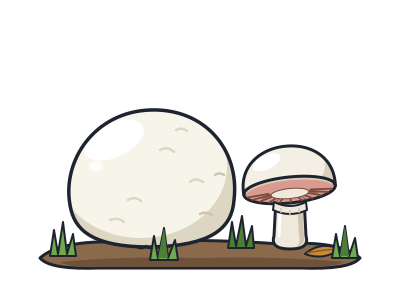
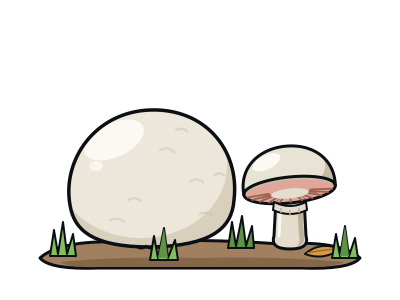
- Field mushrooms and puffballsOne family holds supermarket mushrooms, parasols, shaggy ink caps and round puffballs that never open a cap.
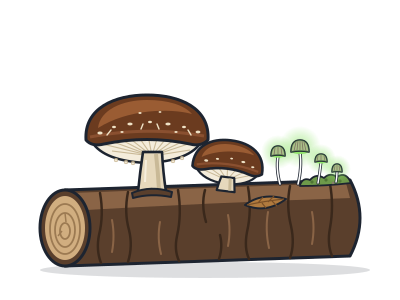
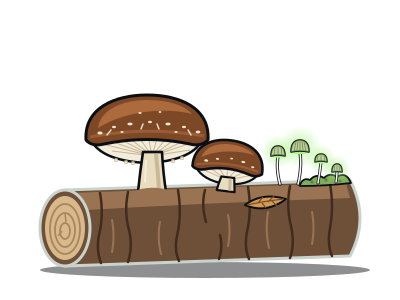
- Fairy rings, enoki and honey fungiTough little mushrooms that dry out and revive, plus log-growers, glow-in-the-dark kinds and giant honey fungi.
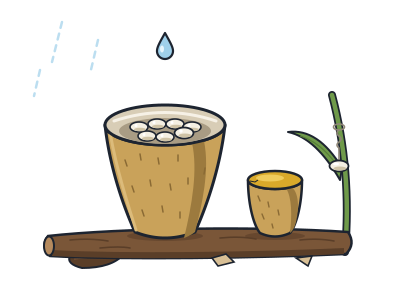
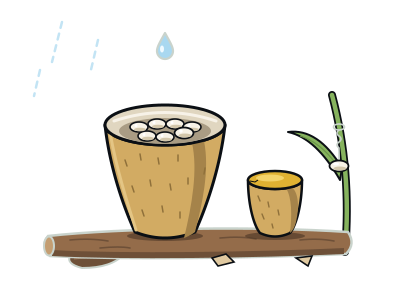
- Common bird's nest fungusA tiny cup holding spore 'eggs' that raindrops splash out, sometimes a metre away.
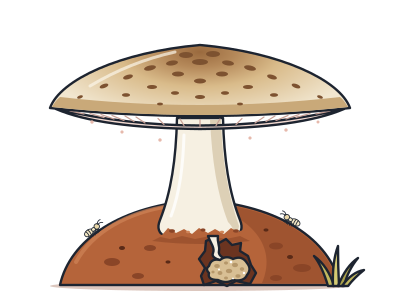
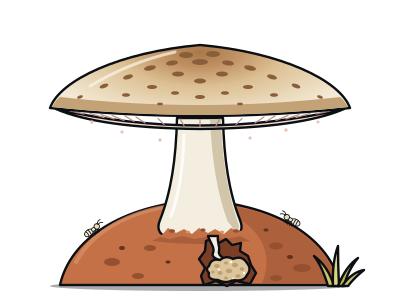
- Giant termite mushroomSprouts from termite mounds in Africa with a cap up to a metre across, the largest edible mushroom.
- MatsutakeA spicy-smelling pine-forest mushroom so prized in Japan that a single one can cost as much as a meal out.
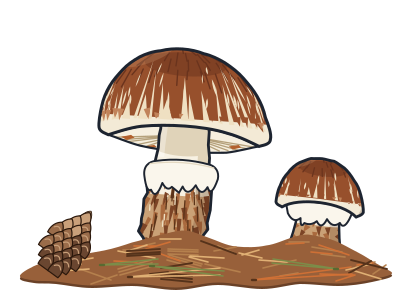
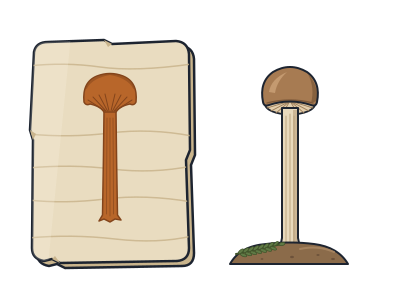
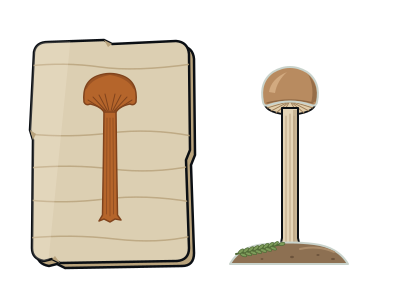
- GondwanagaricitesThe oldest gilled mushroom fossil, flattened in Brazilian limestone about 115 million years ago.