An extinct group
Trilobites †
Trilobita
Armoured sea creatures with crystal eyes that thrived for about 270 million years.
This branch is shown at about 521 million years ago; its age is a rough estimate.
Lived about 521–252 million years ago.
You and trilobites meet in the Two-sided animals branch, shown at about 580 million years ago (on 11 November, in a calendar from life's shared ancestor to today).
Hundreds of millions of years before the dinosaurs, trilobites crawled across the seabed. They were arthropods, the same big family as today's insects, crabs, spiders and millipedes. But they were a branch of their own and left no living descendants. They lived from about 521 to 252 million years ago, a run of about 270 million years.
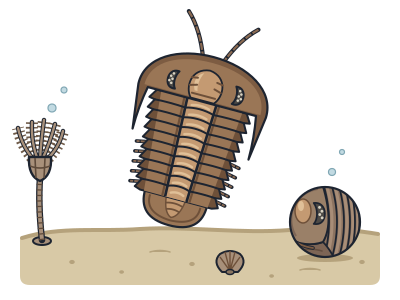
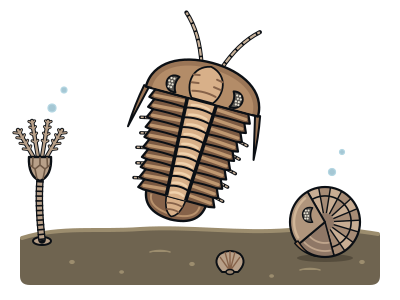
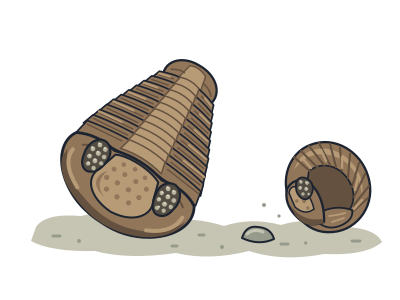
Their armour gave them their name, which means "three lobes". A raised strip ran down the middle of the back, with a flatter strip on each side. Most had two compound eyes, and their lenses were made of calcite, a hard, clear mineral, a bit like tiny crystals. That is why their eyes fossilised so well. They are among the oldest compound eyes known from fossils.
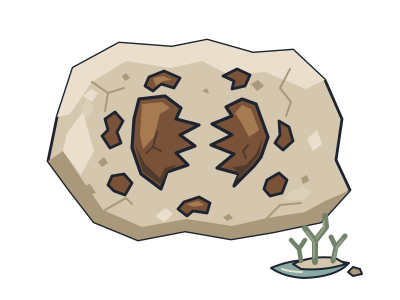
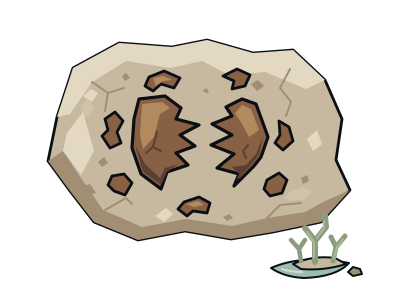
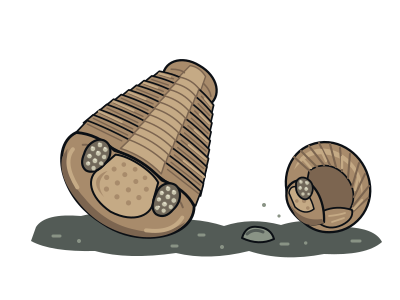
Most fossils show only the hard upper shell. A few rare fossils also kept the soft legs underneath. Each leg had a branch for walking and a feathery gill. Many trilobites could curl into a tight ball, like a slater. They lived only in the sea. Some crawled or burrowed, and some swam. Nobody knows what colour they were.
Trilobites came in the most kinds about 500 to 450 million years ago. The number of kinds fell sharply about 400 million years ago, and the last few died out in a huge mass extinction about 252 million years ago.
Thousands upon thousands
Scientists have described more than 22,000 kinds of trilobite, which makes them one of the most successful groups of early animals.
Shells left behind
To grow, trilobites shed their shell, which often split between the head and the body. One animal could leave about 10 to 12 empty shells, so many trilobite fossils are cast-offs, not bodies.
Chosen by schoolchildren
A trilobite named for its big frog-like eyes became Pennsylvania's state fossil in 1988, after a campaign by a primary school science class.
Inside trilobites
- OlenellusOne of the earliest trilobites, with crescent eyes and long spines.
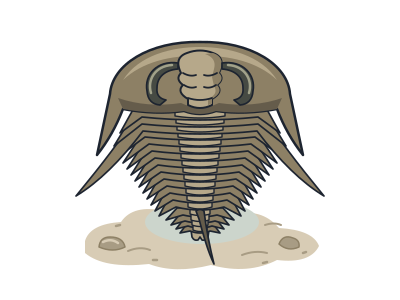
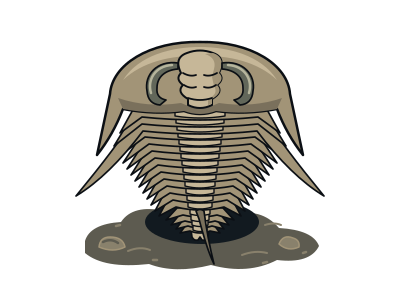
- PhacopsA trilobite with big, bumpy eyes made of crystal lenses, often found rolled into a ball.
- ParadoxidesA spiny Cambrian trilobite with a 12-centimetre reference fossil and much larger relatives.
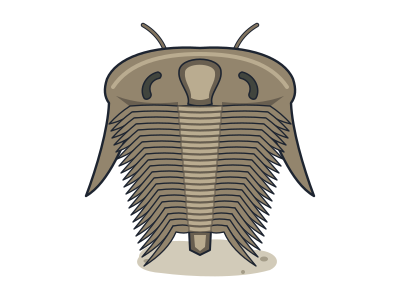
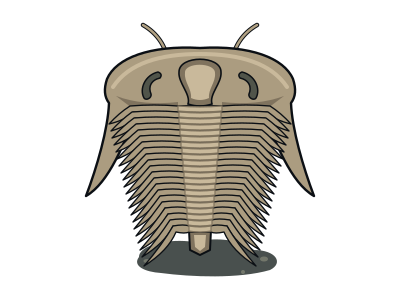
- WalliseropsA trilobite with a three-pronged trident sticking out of its head.
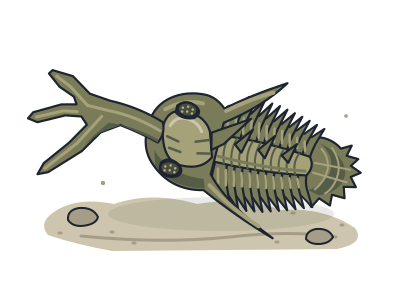
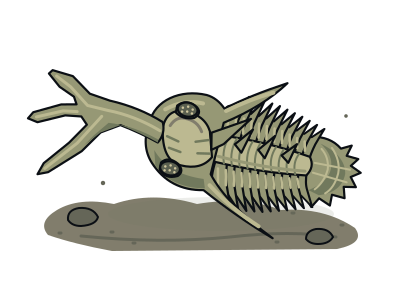
- ElrathiaThe trilobite in countless rock shops, dug up by the thousand from a single Utah shale.
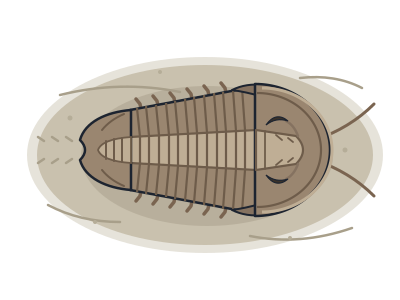
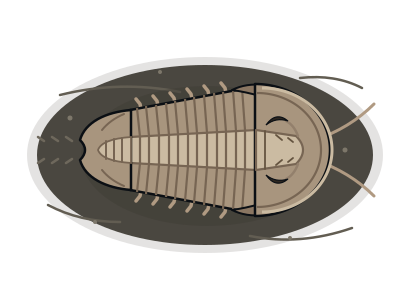
- AsaphusA trilobite with eyes perched on tall stalks, like a periscope peering out of the seafloor mud.
- Isotelus rexThe largest complete trilobite ever found, about 70 centimetres long, as long as a child's arm.
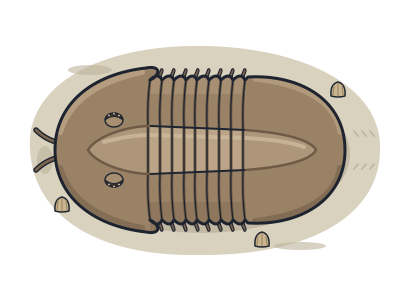
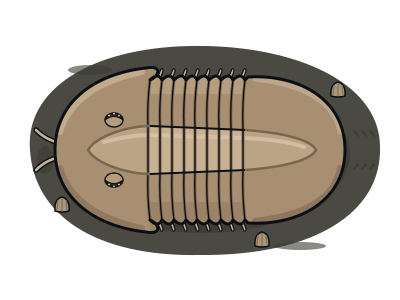
Next to it on the tree
- Spiders and kinFang-mouthed arthropods: spiders, scorpions, mites and horseshoe crabs.
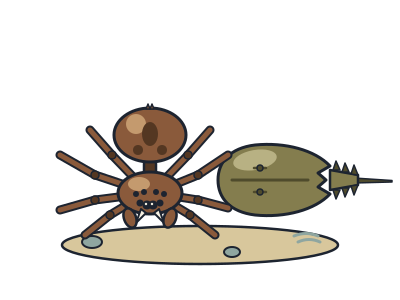
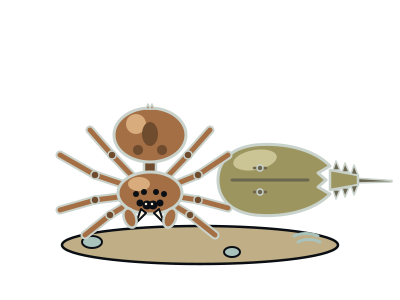
- Crustaceans and insectsInsects grew out of crustaceans: a bee is, in family terms, a land-going shrimp.
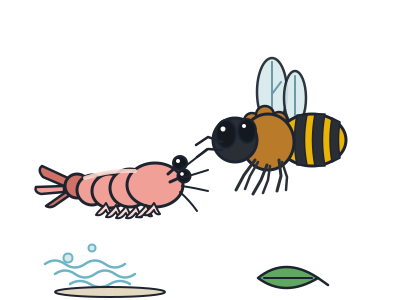
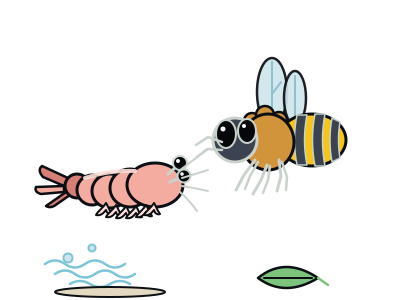
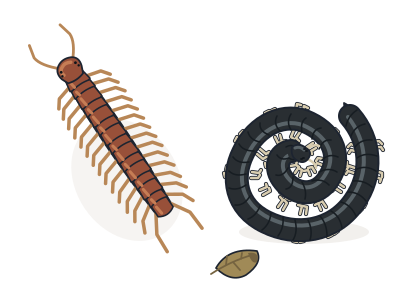
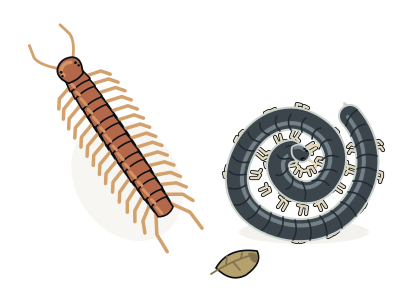
- Centipedes and millipedesMany-legged land arthropods; among the first animals to breathe air.
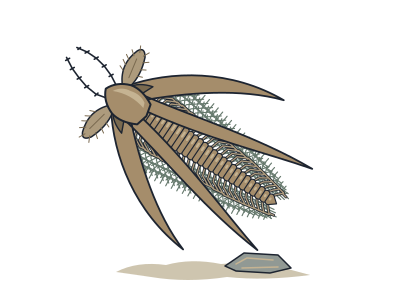
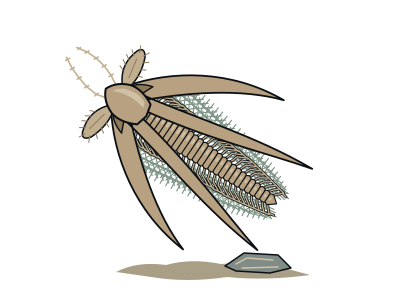
- MarrellaThe 'lace crab', the most common animal of the Burgess Shale, with swept-back spines.
- WaptiaA shrimp-like Cambrian arthropod found carrying its eggs, one of the oldest known cases of parental care.
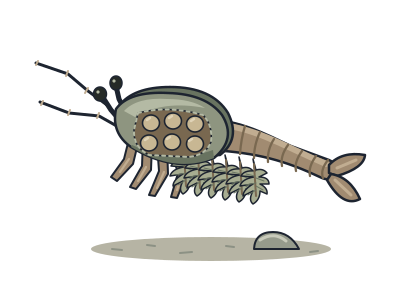
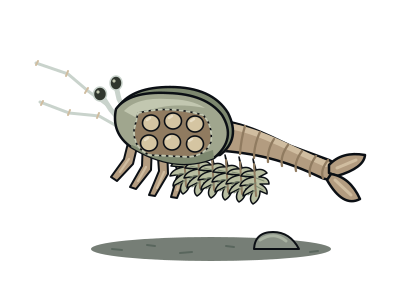
- LeanchoiliaA Cambrian swimmer with great whip-tipped claws on its head.
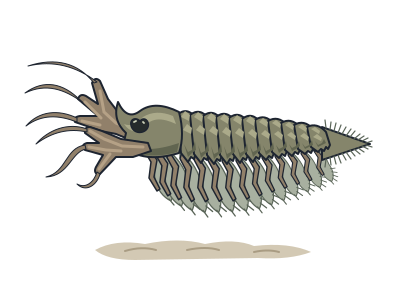
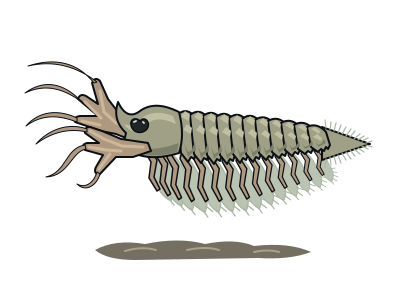
- RhyniognathaTiny fossil jaws once hailed as the oldest insect; their identity remains unresolved.