An extinct species
Rhyniognatha †
Rhyniognatha hirsti
A tiny fossil jaw with a disputed place in the arthropod family
Lived about 410–407 million years ago.
You and the rhyniognatha meet in the Two-sided animals branch, shown at about 580 million years ago (on 11 November, in a calendar from life's shared ancestor to today).
A scrap of jaw from rock about 400 million years old raised a surprising possibility: this animal might have been the oldest known insect. It lived about 410 to 407 million years ago. Yet its place in the insect family was disputed. A later study favoured a centipede identity, and a 2026 reassessment found that neither identification was secure.
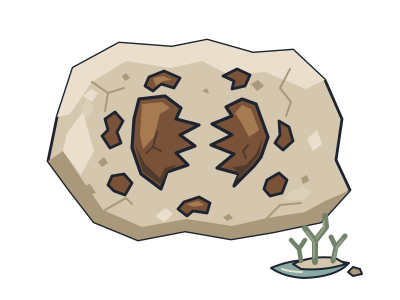
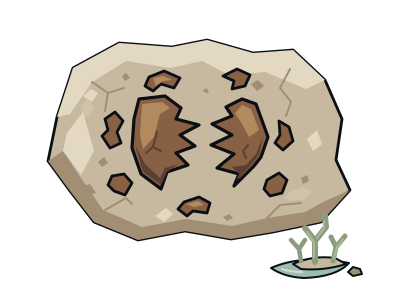
Only one specimen was known. It came from near Rhynie in Aberdeenshire, Scotland, preserved inside a glass-like rock called chert. Rather than a complete animal, the fossil preserved incomplete head structures, especially a pair of short, roughly triangular jaws with tooth-like points.
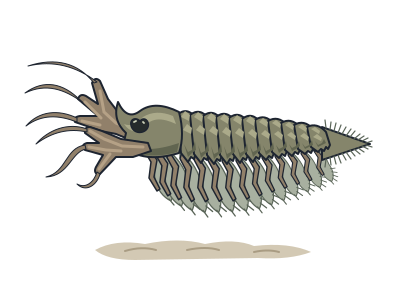
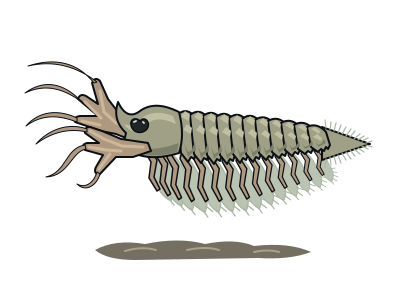
Those jaws offered clues, but not a complete picture. No wings were preserved: suggestions that the animal could fly came from comparisons of jaw shape, not fossil wings. Without a complete body, researchers could not securely establish its overall shape or length. Its living colours and markings were unknown too.
Named in 1928
Robin Tillyard recognised the fossil as a separate species in 1928.
A named collector
The Natural History Museum identified Reverend W. Cran as the fossil’s collector.
An ancient community
Rhynie chert also preserved plants, algae, fungi, lichens and other joint-legged animals.
Next to it on the tree
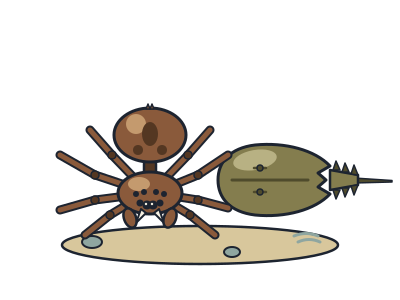
- Spiders and kinFang-mouthed arthropods: spiders, scorpions, mites and horseshoe crabs.
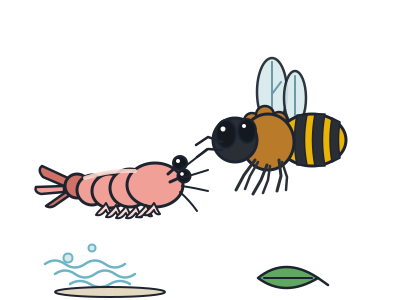
- Crustaceans and insectsInsects grew out of crustaceans: a bee is, in family terms, a land-going shrimp.
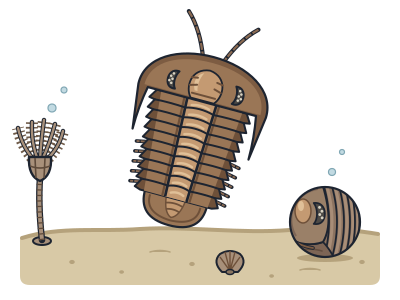
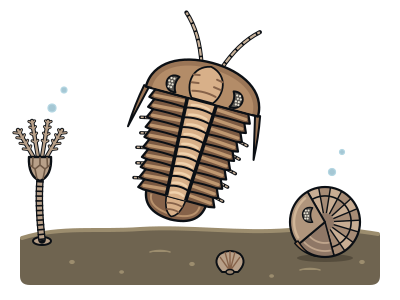
- TrilobitesArmoured sea arthropods with crystal eyes that thrived for nearly 300 million years.
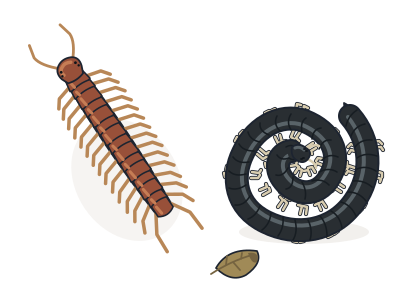
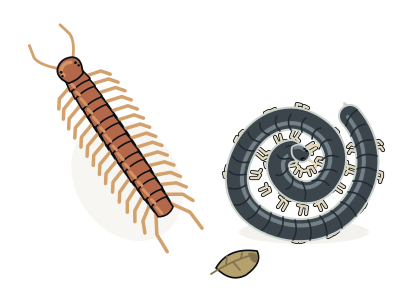
- Centipedes and millipedesMany-legged land arthropods; among the first animals to breathe air.
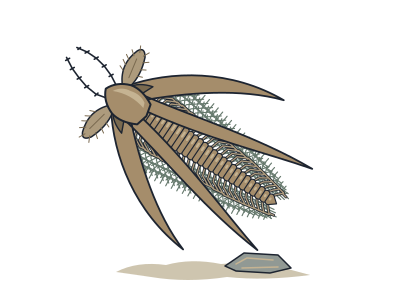
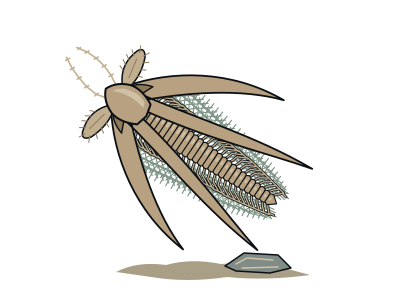
- MarrellaThe 'lace crab', the most common animal of the Burgess Shale, with swept-back spines.
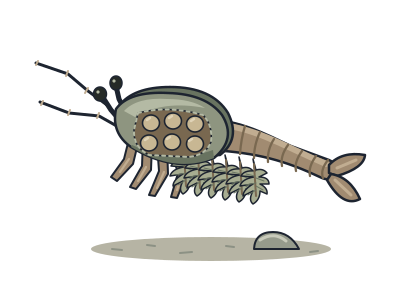
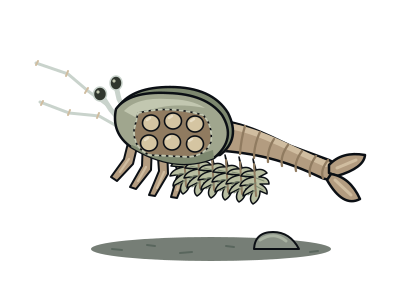
- WaptiaA shrimp-like Cambrian arthropod found carrying its eggs, one of the oldest known cases of parental care.
- LeanchoiliaA Cambrian swimmer with great whip-tipped claws on its head.