An extinct species
Marrella †
Marrella splendens
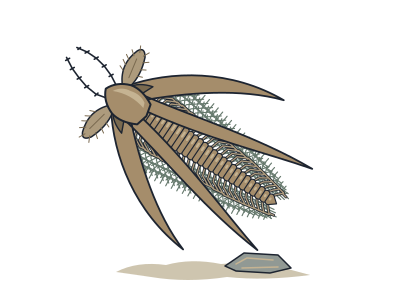
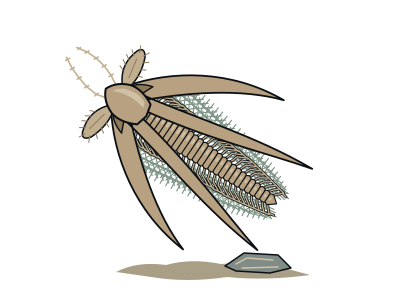
The ‘lace crab’ with swept-back spines
Lived about 510–505 million years ago.
You and the marrella meet in the Two-sided animals branch, shown at about 580 million years ago (on 11 November, in a calendar from life's shared ancestor to today).
The ‘lace crab’ was one of the most abundant animals preserved in the Burgess Shale. Despite its nickname, it was not a true crab. It belonged to the wider arthropod group, alongside relatives such as spiders, insects and crabs. It lived in the sea within the broad interval of about 510 to 505 million years ago.
Fossils showed a slender body behind a wedge-shaped head shield. Two pairs of long spines swept backwards from the head, with a smaller pair underneath. Some fossils preserved even its delicate antennae and limbs. A second pair of head limbs formed flattened paddles fringed with bristles. Along the body, each limb divided into a walking branch and a feathery gill branch.
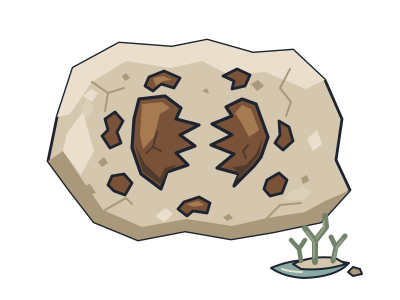
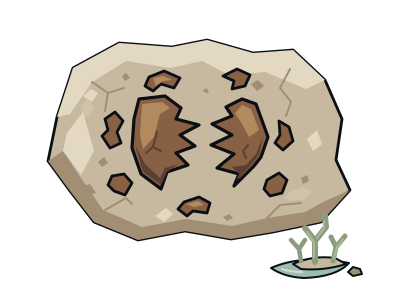
One remarkable fossil preserved an individual partway out of its old outer covering. Its antennae had already emerged, while its body and parts of its spines remained inside. This gave unusually direct evidence that it shed its covering as it grew.
A nickname from 1909
Walcott called these animals ‘lace crabs’ after finding their fossils in 1909.
Thousands of specimens
More than 25,000 specimens had already been collected by 2004.
Adding body sections
One small fossil had about 17 body sections; larger specimens showed about 26. This indicated that sections were added during growth.
Next to it on the tree
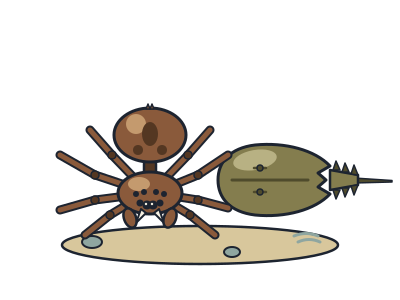
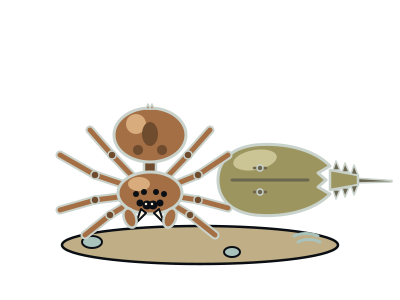
- Spiders and kinFang-mouthed arthropods: spiders, scorpions, mites and horseshoe crabs.
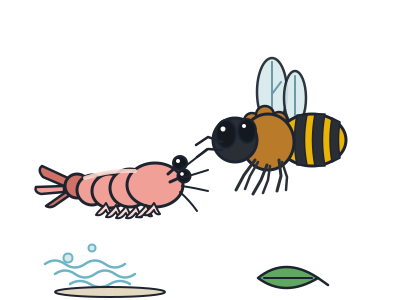
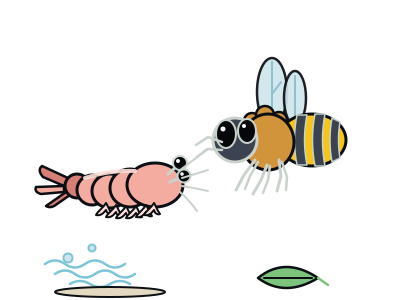
- Crustaceans and insectsInsects grew out of crustaceans: a bee is, in family terms, a land-going shrimp.
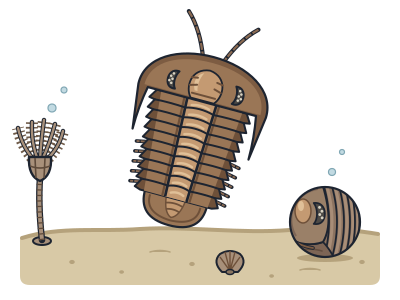
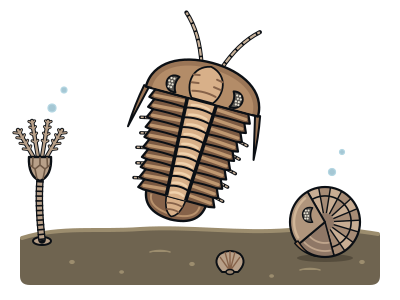
- TrilobitesArmoured sea arthropods with crystal eyes that thrived for nearly 300 million years.
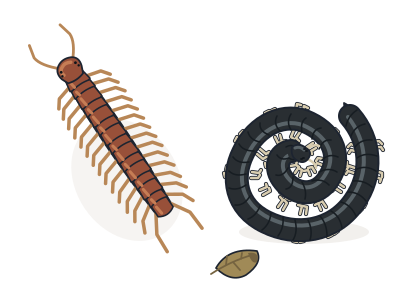
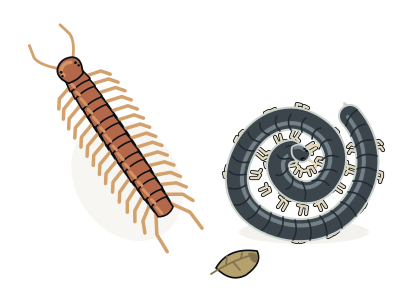
- Centipedes and millipedesMany-legged land arthropods; among the first animals to breathe air.
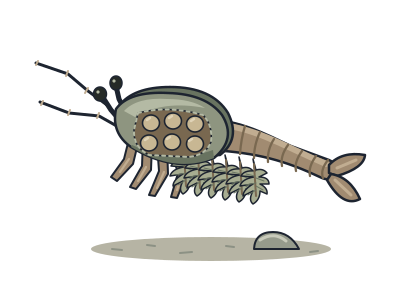
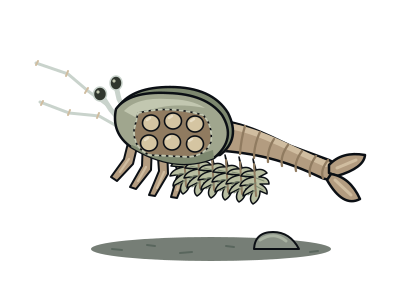
- WaptiaA shrimp-like Cambrian arthropod found carrying its eggs, one of the oldest known cases of parental care.
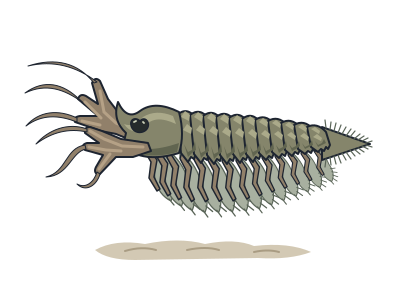
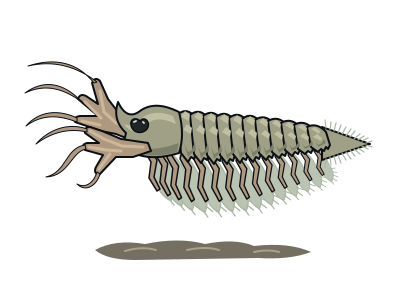
- LeanchoiliaA Cambrian swimmer with great whip-tipped claws on its head.
- RhyniognathaTiny fossil jaws once hailed as the oldest insect; their identity remains unresolved.