A species
Velvet worm
Euperipatoides rowelli
A soft-bodied hunter with a sticky secret weapon
You and the velvet worm meet in the Two-sided animals branch, shown at about 580 million years ago (on 11 November, in a calendar from life's shared ancestor to today).
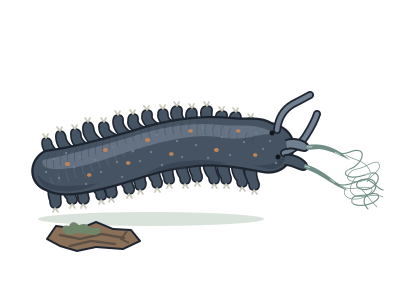
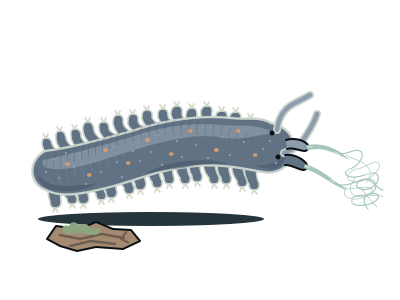
This soft, many-legged hunter shoots sticky slime to trap insects and other small animals in a net. Its worm-like shape hides a surprising family connection: velvet worms are much closer relatives of insects and spiders than of earthworms. They belong to their own animal group, rather than being insects themselves.
This species lives in damp, decaying logs in the mountain forests of south-eastern Australia, including Tallaganda near Canberra. The rotten wood is shelter, not dinner: its prey includes termites and centipedes. It normally walks on 15 pairs of legs — 30 legs altogether.
A damp hiding place matters because velvet worms dry out easily. Water escapes through their skin and through breathing pores that stay open. A fallen log is therefore more than somewhere to hide: it provides the moist shelter this soft-bodied hunter needs.
Velvet without fur
Tiny bumps on the skin give velvet worms their velvety appearance and help repel water.
A simple view
This species has two prominent feelers and two small eyes, each with a single lens.
Different spot patterns
Some populations of this species have orange spots, others have white spots, and some are largely unspotted.
Next to it on the tree
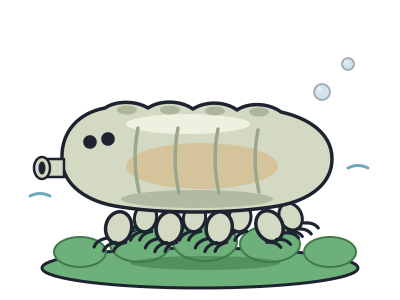
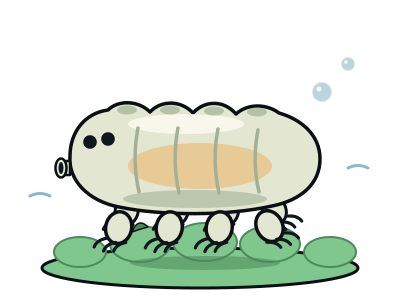
- Water bearsEight-legged micro-animals that survive freezing, boiling, drying out and even open space.
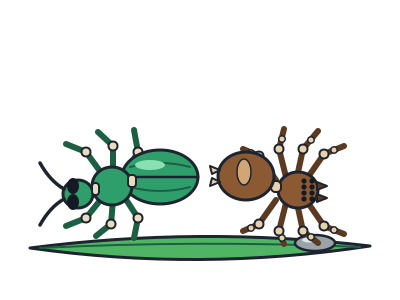
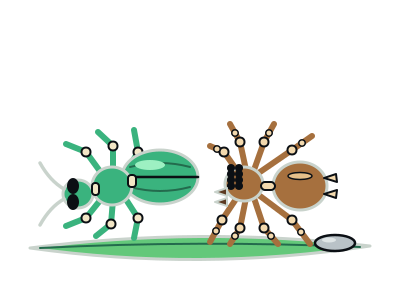
- ArthropodsJointed legs and armour on the outside: the most successful animal design on Earth.
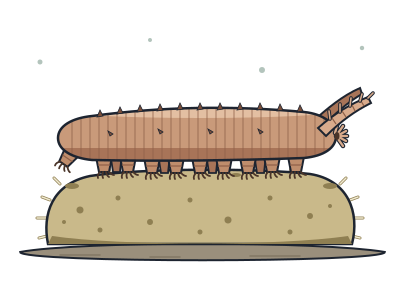
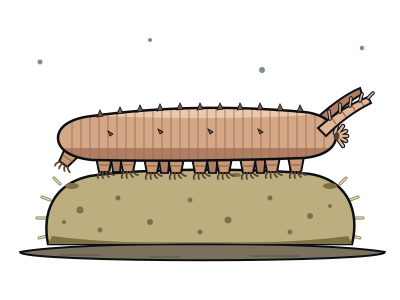
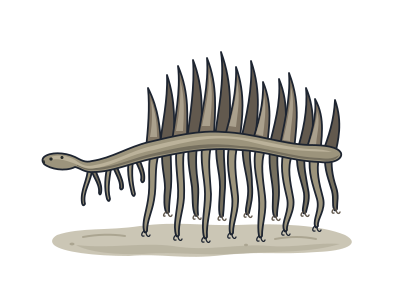
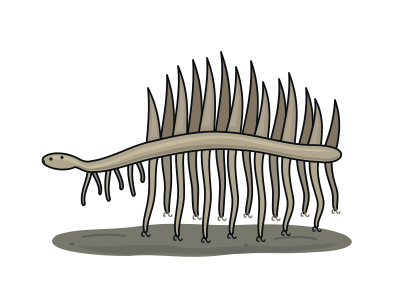
- HallucigeniaSo strange that scientists first drew it upside down and back to front.
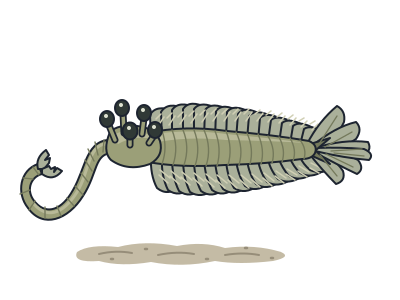
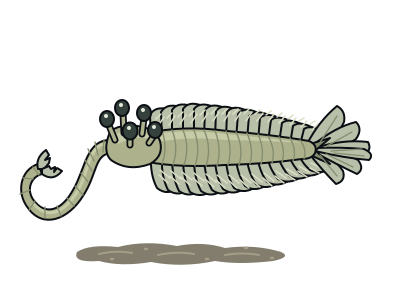
- OpabiniaFive eyes and a grabbing nozzle on its face; it made scientists laugh when first shown.
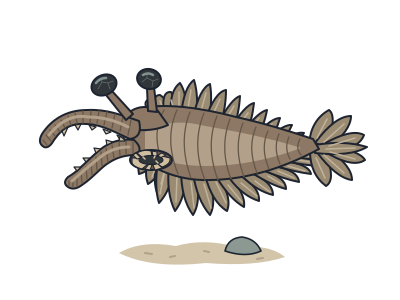
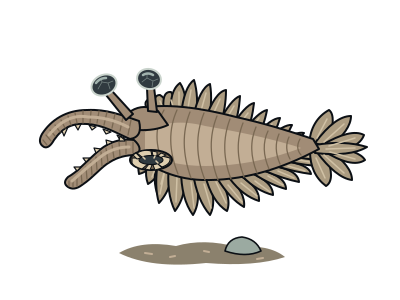
- RadiodontsThe first big hunters and filter-feeders, with spiky head arms and round, ringed mouths.
- FuxianhuiaA 518-million-year-old fossil so finely preserved that its brain and heart can still be traced.
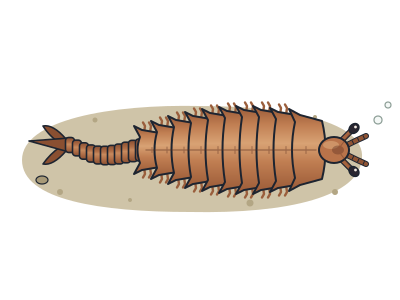
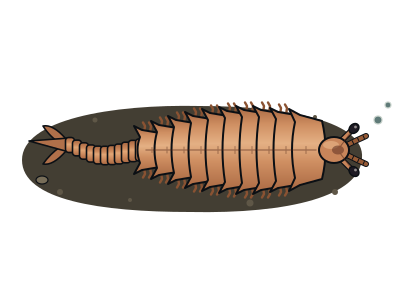
- AysheaiaA caterpillar-like Burgess Shale creature that may have clambered over sponges and fed on them.