An extinct species
Elrathia †
Elrathia kingii
The rock-shop trilobite, dug up by the hundreds of thousands from one Utah shale.
Lived about 507–505 million years ago.
You and the elrathia meet in the Two-sided animals branch, shown at about 580 million years ago (on 11 November, in a calendar from life's shared ancestor to today).
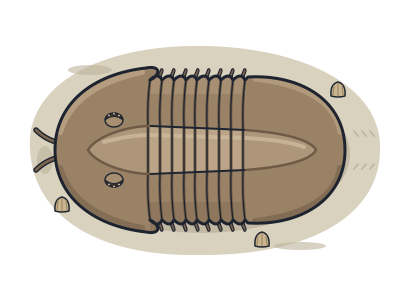
If you have ever held a trilobite in a rock shop, there is a good chance it was this one. Elrathia lived in the sea about 507 to 505 million years ago. Its fossils come mostly from one set of rocks, the Wheeler Shale of western Utah. It is one of the most common trilobite fossils in the USA, and collectors have dug it up by the hundreds of thousands.
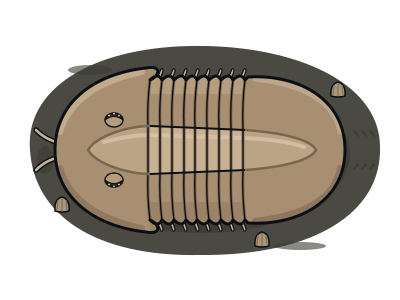
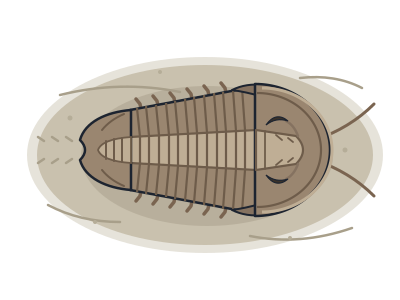
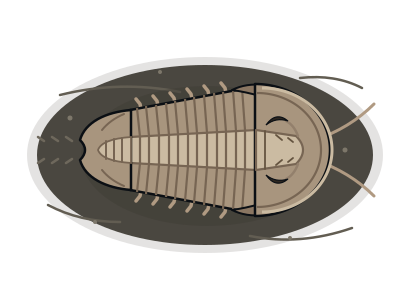
It was small. Adults were about 1.5 to 4 cm long, and a typical one was about the length of the top of your thumb. Its smooth, oval shell narrowed towards the back and usually had 13 body segments. Like other trilobites, its shell was split lengthwise into three lobes: a central one with a lobe on each side. It belonged to the arthropods, animals with jointed legs.
Western Utah was under the sea back then. Studies of the rocks suggest this trilobite lived on a muddy sea floor where the water held very little oxygen. It is thought to be the earliest known animal suited to such places. The low oxygen slowed decay, and underwater mudflows buried the animals quickly. That helps explain why so many were kept as fossils.
Named after a town in Alabama
Its name comes from the town of Elrath in Alabama, even though the famous fossils were found in Utah.
Little water bug in stone
Pahvant Ute people wore these fossils as protective amulets. Their name for them means 'little water bug in stone'.
Tiny babies, fast growers
Young ones found in Utah were as small as about half a millimetre. A study found that they hatched smaller than another kind of trilobite but grew faster, and reached a similar adult size.
Next to it on the tree
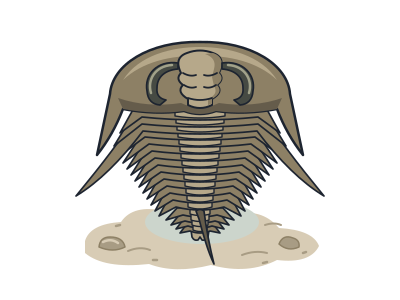
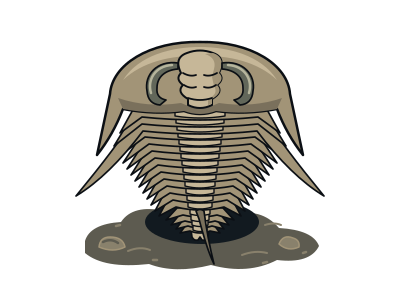
- OlenellusOne of the earliest trilobites, with crescent eyes and long spines.
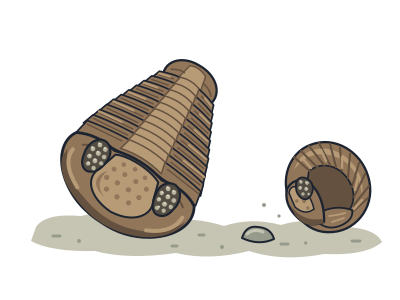
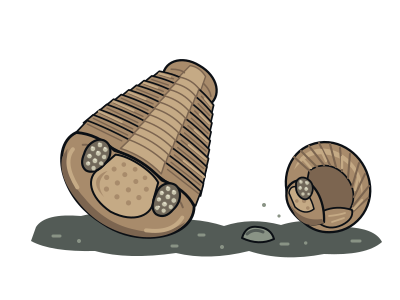
- PhacopsA trilobite with big, bumpy eyes made of crystal lenses, often found rolled into a ball.
- ParadoxidesA spiny Cambrian trilobite with a 12-centimetre reference fossil and much larger relatives.
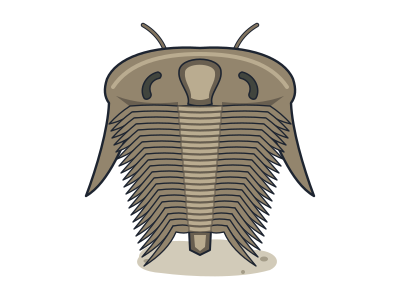
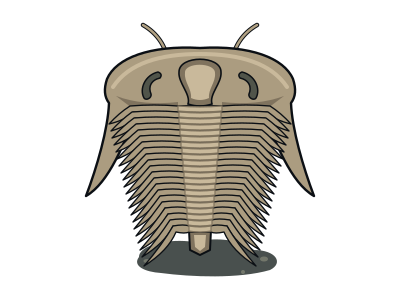
- WalliseropsA trilobite with a three-pronged trident sticking out of its head.
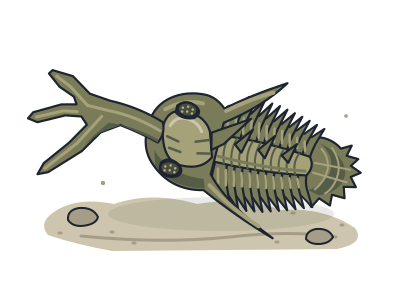
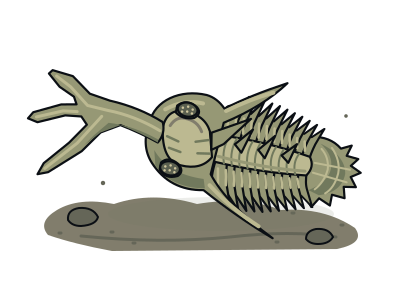
- AsaphusA trilobite with eyes perched on tall stalks, like a periscope peering out of the seafloor mud.
- Isotelus rexThe largest complete trilobite ever found, about 70 centimetres long, as long as a child's arm.