A species
Goose barnacle
Pollicipes pollicipes
A crab and shrimp relative on a leathery stalk, clinging to wave-smashed rocks
You and the goose barnacle meet in the Two-sided animals branch, shown at about 580 million years ago (on 11 November, in a calendar from life's shared ancestor to today).
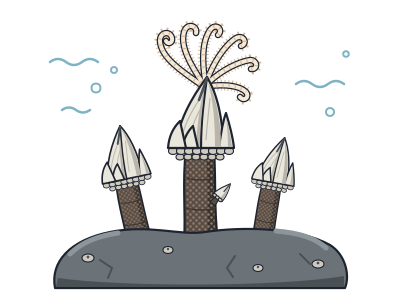
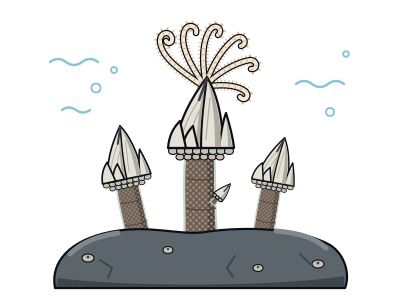
Picture a pale, claw-shaped head on top of a dark, leathery stalk. Goose barnacles grow in packed clumps on rocks where big Atlantic waves crash. They are found from France and Spain down to Senegal in West Africa. In Spain they are a prized and costly seafood. Around Christmas, a kilo can sell for up to about €350.
Despite its chalky plates, this is not a shellfish like a clam. It is a crustacean, a relative of crabs and shrimps. Inside the plates is a little shrimp-like animal that stands on its head. When the water covers it, it pushes out six pairs of feathery legs and catches tiny bits of food from the rushing sea.
Its young start life as tiny swimming larvae that drift in the sea for at least about a month. Then each one glues itself down head-first, often onto the stalk of an adult, and stays there for the rest of its life.
In Galicia, in north-west Spain, harvesters scrape goose barnacles off the rocks with a flat tool while dodging the waves. The work is dangerous. The species is thought to be declining because so many are harvested.
An ancient snack
Archaeological evidence suggests people have been gathering this barnacle for more than 10,000 years.
Armour that keeps growing
As a goose barnacle gets older, it adds more and more small plates around its head. Older animals can have more than 100.
A taste of the sea
Goose barnacles are usually boiled before eating. One harvester said their strong, salty flavour is 'the closest thing to eating the sea'.
Next to it on the tree
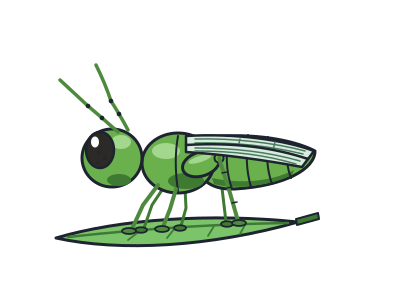
- InsectsSix legs, three body parts, and more known species than every other animal group combined.
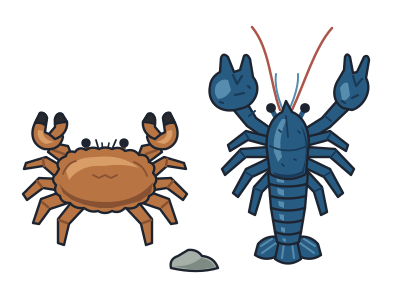
- Crabs, shrimps and kinThe big crustaceans: crabs, lobsters, shrimp, krill and even woodlice.
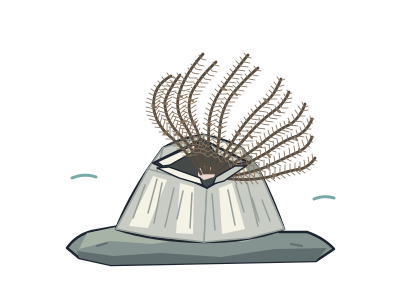
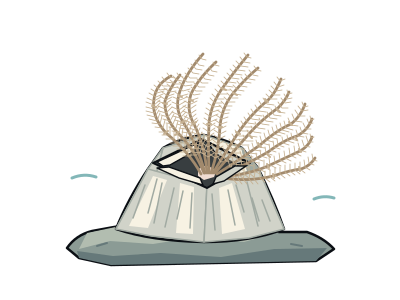
- Acorn barnacleA crustacean that glues its head to a rock and kicks food into its mouth with its feet.
- CopepodRice-grain crustaceans that may be the most numerous animals in the sea.
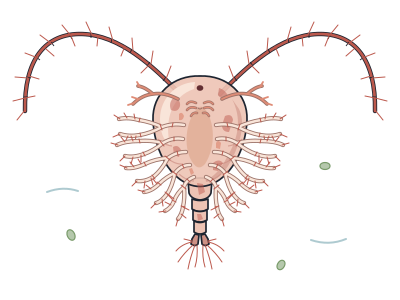
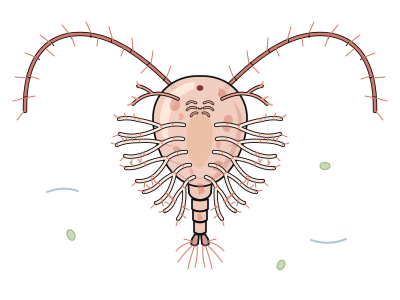
- RemipedeA blind, venomous cave crustacean that may be the closest living crustacean to insects.
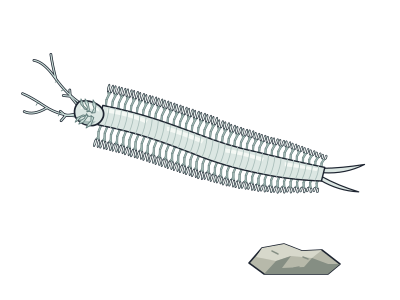
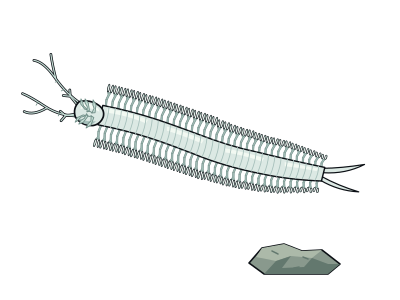
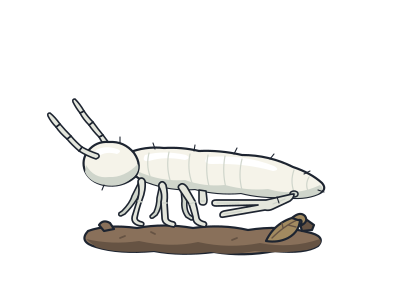
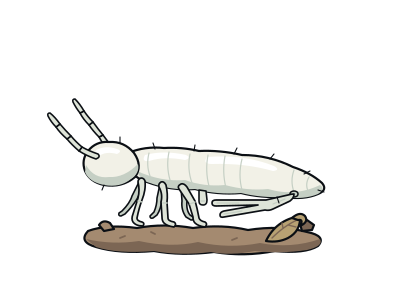
- SpringtailA tiny six-legged soil animal that flings itself away with a tail spring; not an insect.
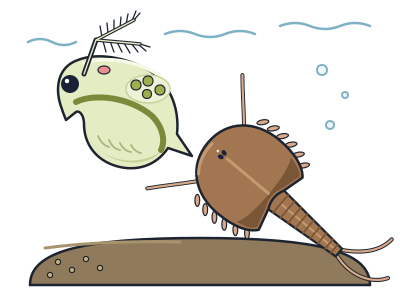
- Fairy shrimps and water fleasSmall crustaceans of ponds and puddles, many of whose eggs survive years of drought.
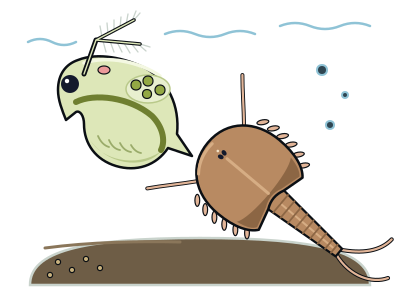
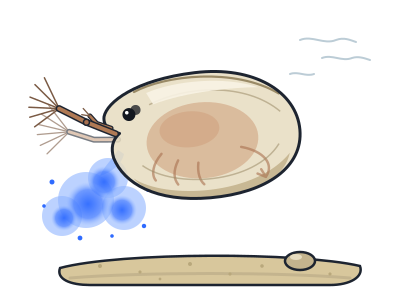
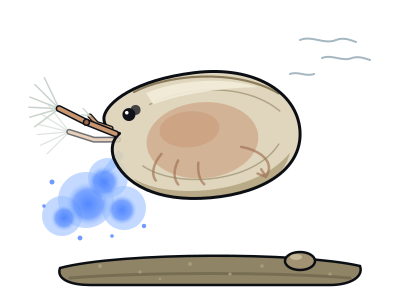
- Sea fireflyA seed-sized crustacean in a hinged shell that squirts out glowing blue clouds.