A species
Acorn barnacle
Semibalanus balanoides
Head glued down, feet fishing for food
You and the acorn barnacle meet in the Two-sided animals branch, shown at about 580 million years ago (on 11 November, in a calendar from life's shared ancestor to today).
This crustacean glues itself head-first to a rock and sweeps food into its mouth with its feet. Despite its shell, it is a relative of crabs, lobsters and shrimps—not a snail or clam. It makes its own cement-like glue. Once settled, the adult stays attached instead of walking around like a crab.
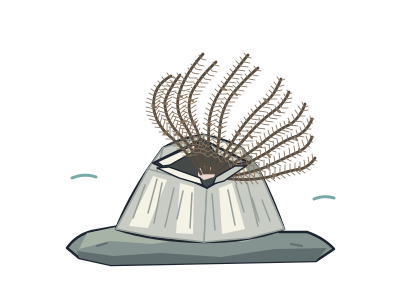
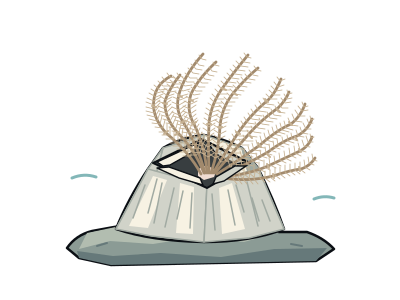
Underwater, six pairs of dark, jointed legs spread into a feathery fan. These are feeding feet, not tentacles. They catch tiny drifting animals and other small food particles from seawater. In still water, the barnacle beats its legs to gather food. When a current flows past, it can hold them out into the moving water.
The grey-white shell looks like a miniature volcano, with six rough plates making up its walls. Four smaller, movable plates close the opening like folding doors, helping stop the animal drying out. This matters on rocky shores between high and low tide, where its home is sometimes underwater and sometimes exposed to the air.
More feeding time, faster growth
Individuals lower on the shore generally grow faster because they spend longer underwater feeding.
A hidden change of covering
Like other crustaceans, barnacles shed the covering of their soft body and limbs as they grow.
Small coastal hunters
Dog whelks and small coastal fish called shannies are important predators of this barnacle.
Next to it on the tree
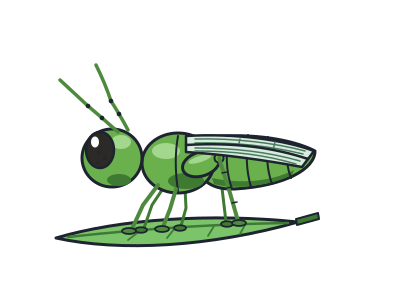
- InsectsSix legs, three body parts, and more known species than every other animal group combined.
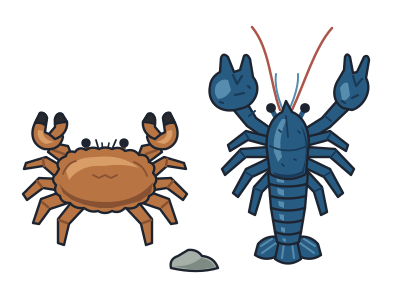
- Crabs, shrimps and kinThe big crustaceans: crabs, lobsters, shrimp, krill and even woodlice.
- CopepodRice-grain crustaceans that may be the most numerous animals in the sea.
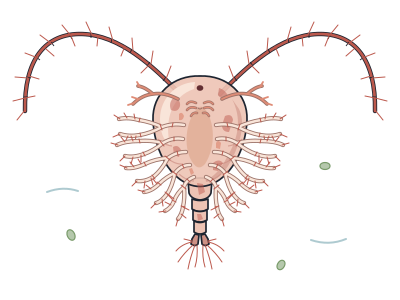
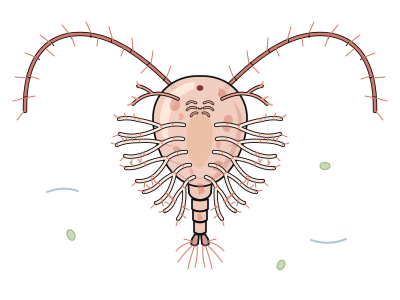
- RemipedeA blind, venomous cave crustacean that may be the closest living crustacean to insects.
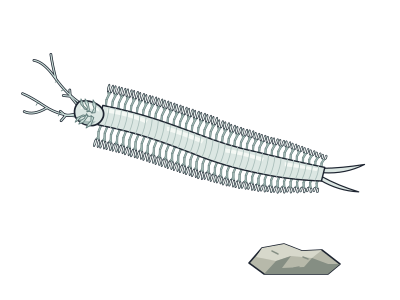
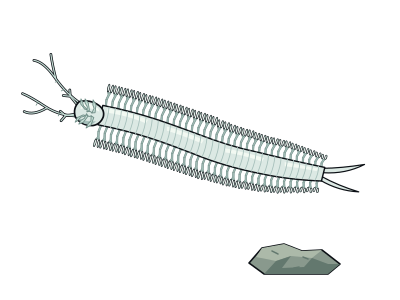
- SpringtailA tiny six-legged soil animal that flings itself away with a tail spring; not an insect.
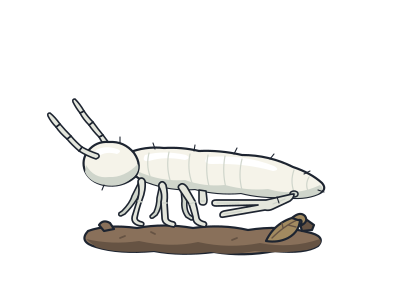
- Fairy shrimps and water fleasSmall crustaceans of ponds and puddles, many of whose eggs survive years of drought.
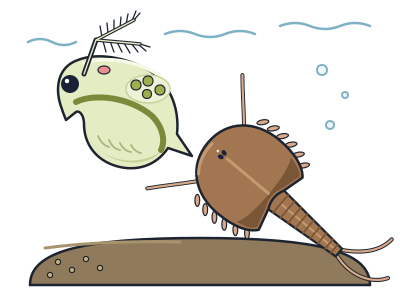
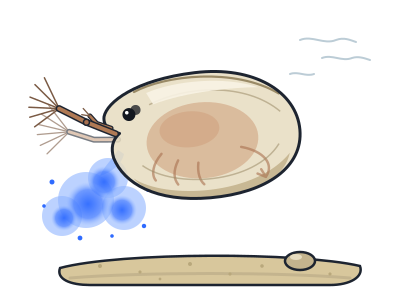
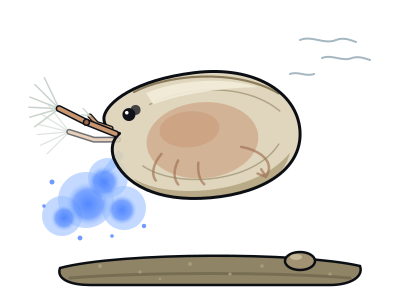
- Sea fireflyA seed-sized crustacean in a hinged shell that squirts out glowing blue clouds.
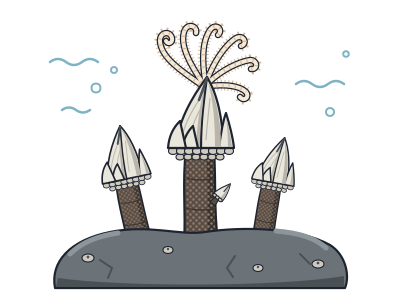
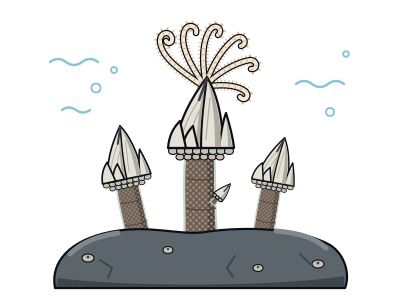
- Goose barnacleA barnacle on a leathery stalk that clings to wave-beaten rocks; in Spain it is a costly seafood.