A species
Remipede
Xibalbanus tulumensis
A blind cave hunter with a surprising insect connection.
You and the remipede meet in the Two-sided animals branch, shown at about 580 million years ago (on 11 November, in a calendar from life's shared ancestor to today).
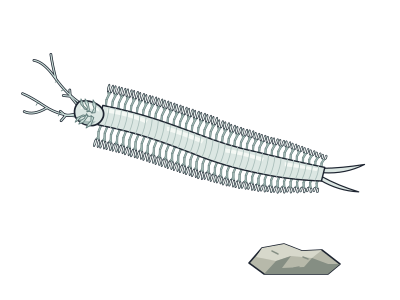
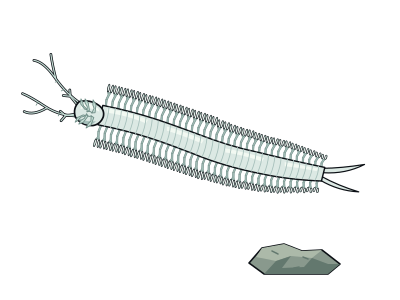
This blind, venomous crustacean belongs to a group that may be the closest living crustacean relatives of insects. It looks like a pale underwater centipede, but appearances hide its family connections. The possible close link includes springtails too: they belong to the same six-legged group as insects.
Its home is the permanently dark, flooded cave systems along the eastern coast of Mexico’s Yucatán Peninsula. These caves connect underground with the sea. Salt water lies beneath fresher water, and this animal lives in the salty lower layer. It has no eyes and lacks body colour, features associated with life in darkness.
Researchers have watched it hunt small cave shrimps. It injects venom through specialised mouthparts near its jaws. That makes it an unusual member of the crustacean group, which also includes crabs and shrimps. Its hidden home is vulnerable: wastewater pollution and construction threaten the connected caves on which it depends.
A venom first
In 2013, researchers confirmed this species as the first known venomous crustacean.
Upside-down swimming
In the Sistema Crustacea cave system, it most often swims with its back facing the cave floor.
An unusually large gathering
Hundreds have been reported in Cenote Crustacea—unusually large numbers compared with most remipede populations.
Next to it on the tree
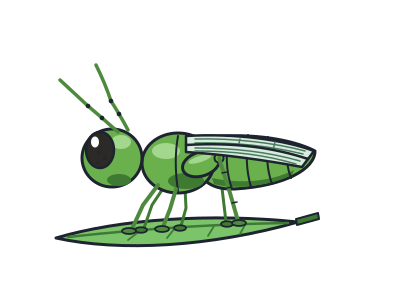
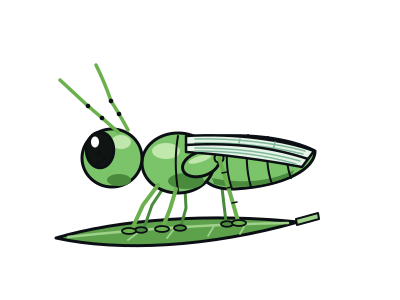
- InsectsSix legs, three body parts, and more known species than every other animal group combined.
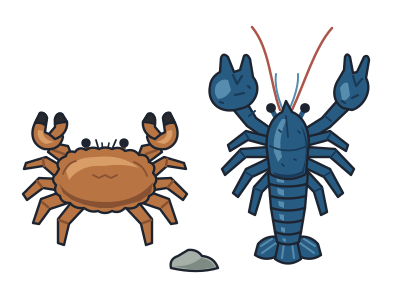
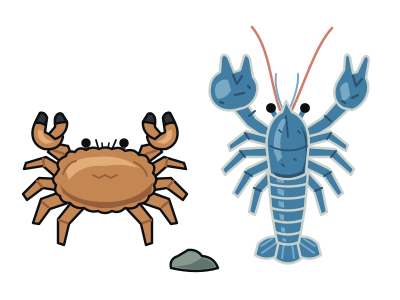
- Crabs, shrimps and kinThe big crustaceans: crabs, lobsters, shrimp, krill and even woodlice.
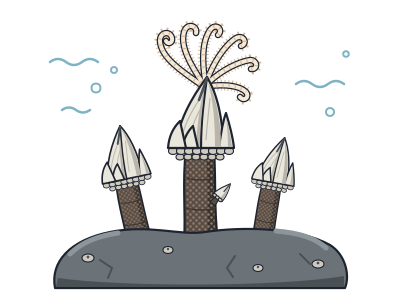
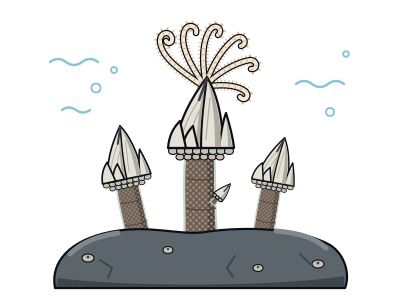
- Acorn barnacleA crustacean that glues its head to a rock and kicks food into its mouth with its feet.
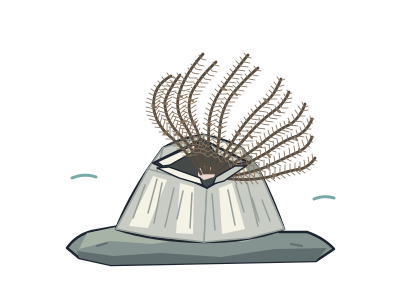
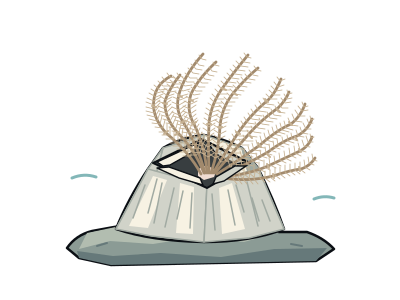
- CopepodRice-grain crustaceans that may be the most numerous animals in the sea.
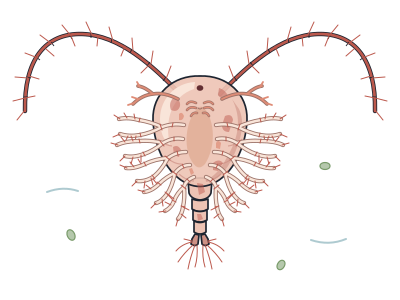
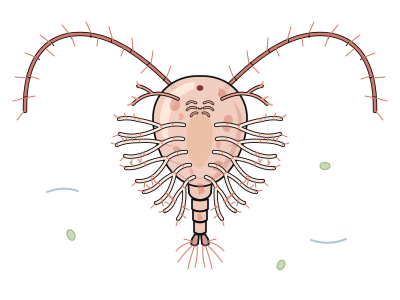
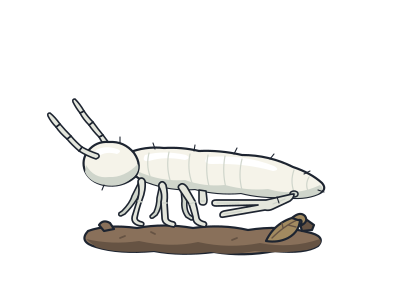
- SpringtailA tiny six-legged soil animal that flings itself away with a tail spring; not an insect.
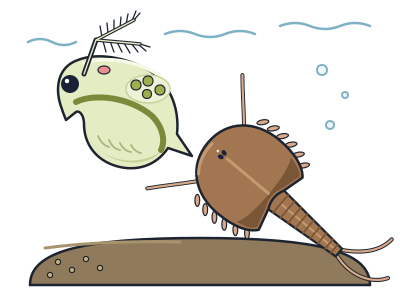
- Fairy shrimps and water fleasSmall crustaceans of ponds and puddles, many of whose eggs survive years of drought.
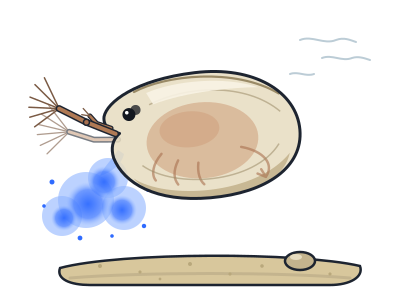
- Sea fireflyA seed-sized crustacean in a hinged shell that squirts out glowing blue clouds.
- Goose barnacleA barnacle on a leathery stalk that clings to wave-beaten rocks; in Spain it is a costly seafood.