A species
Copepod
Calanus finmarchicus
Tiny relatives of crabs, in enormous numbers
You and the copepod meet in the Two-sided animals branch, shown at about 580 million years ago (on 11 November, in a calendar from life's shared ancestor to today).
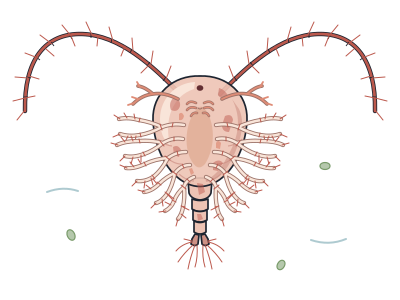
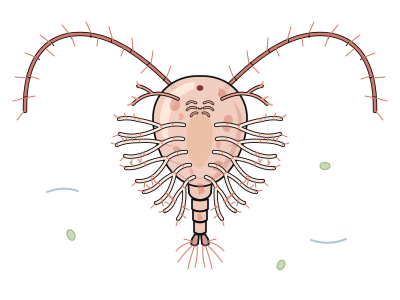
Smaller than many rice grains, this copepod belongs to one of the sea’s most abundant animal groups. These tiny animals are relatives of crabs and shrimps. They also share a broad branch of the family tree with insects, but they are not miniature insects. This page follows just one of more than 13,000 described copepod species.
It lives in the cool North Atlantic, with the Norwegian Sea a major stronghold. Its main food is tiny, plant-like organisms floating in sunlit water. In turn, its young feed young fish. Larger individuals become important meals for adult herring and mackerel. This small animal helps connect microscopic food with much larger sea life.
Before winter, many nearly grown youngsters descend into deep water and enter a low-energy resting state. In the Norwegian Sea, they commonly rest about 500 to 1,500 metres below the surface. There, they return towards the surface in late winter and spring. Breeding takes place shortly before or during the spring increase in their tiny, plant-like food.
Twelve stages
After hatching, it passes through six early growth stages and six later ones. The final stage is the adult.
Colour seen from space
A red pigment gives these animals their reddish colour. Dense surface swarms off northern Norway can cover more than 1,000 square kilometres, changing the water’s colour enough for satellites to detect.
Carried by currents
Ocean currents carry large numbers from the Norwegian Sea towards coastal waters and north into the Barents Sea.
Next to it on the tree
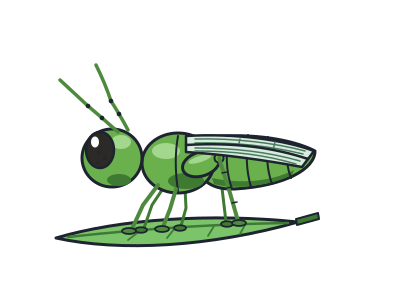
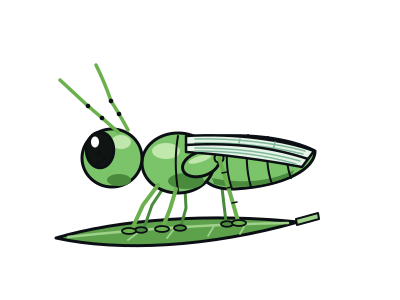
- InsectsSix legs, three body parts, and more known species than every other animal group combined.
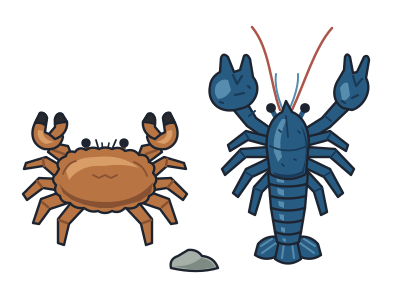
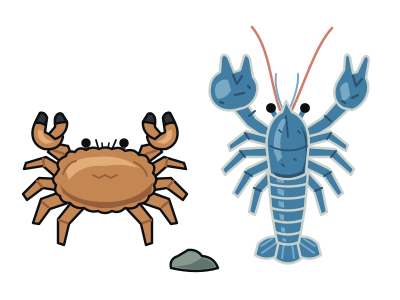
- Crabs, shrimps and kinThe big crustaceans: crabs, lobsters, shrimp, krill and even woodlice.
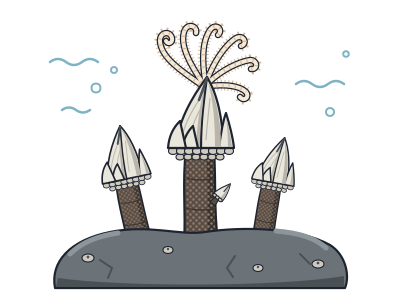
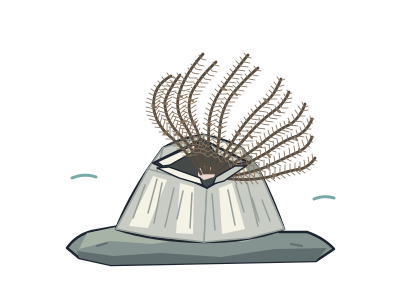
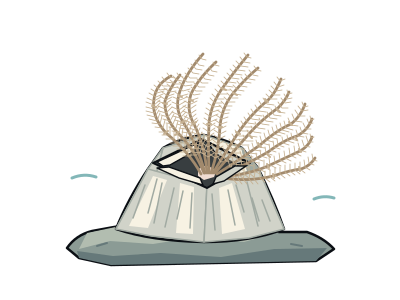
- Acorn barnacleA crustacean that glues its head to a rock and kicks food into its mouth with its feet.
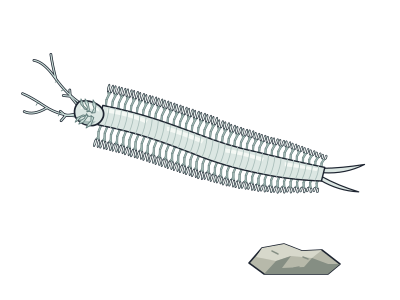
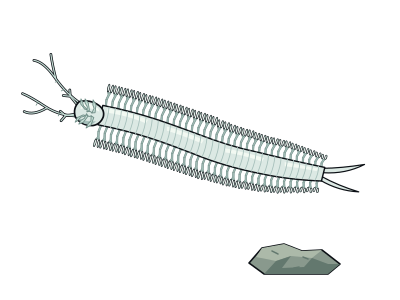
- RemipedeA blind, venomous cave crustacean that may be the closest living crustacean to insects.
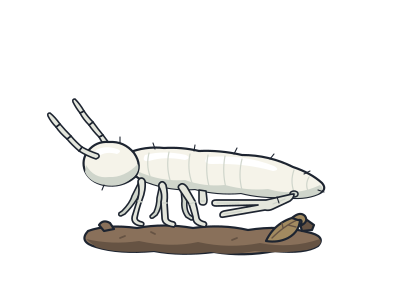
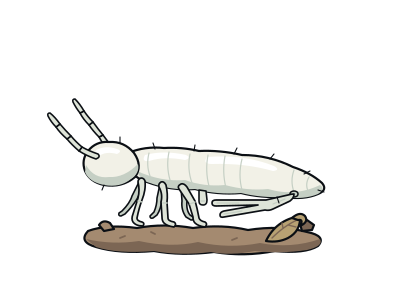
- SpringtailA tiny six-legged soil animal that flings itself away with a tail spring; not an insect.
- Fairy shrimps and water fleasSmall crustaceans of ponds and puddles, many of whose eggs survive years of drought.
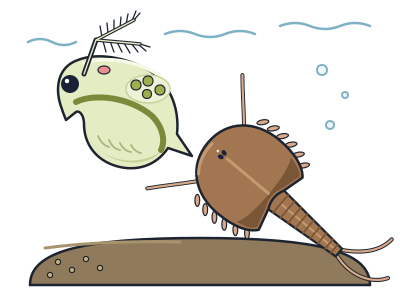
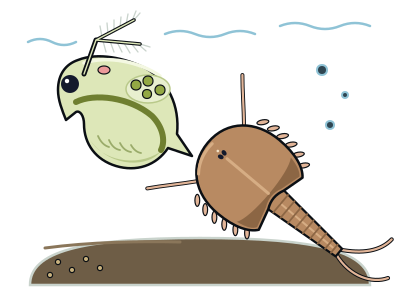
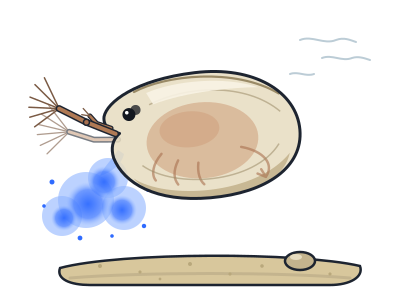
- Sea fireflyA seed-sized crustacean in a hinged shell that squirts out glowing blue clouds.
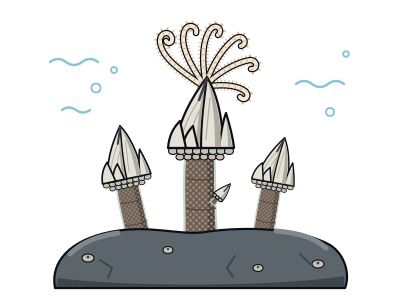
- Goose barnacleA barnacle on a leathery stalk that clings to wave-beaten rocks; in Spain it is a costly seafood.