A species
Sea firefly
Vargula hilgendorfii
A seed-sized crustacean in a hinged shell that squirts out glowing blue clouds.
You and the sea firefly meet in the Two-sided animals branch, shown at about 580 million years ago (on 11 November, in a calendar from life's shared ancestor to today).
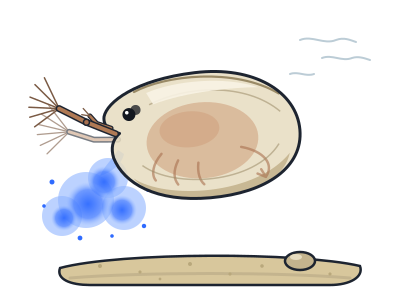
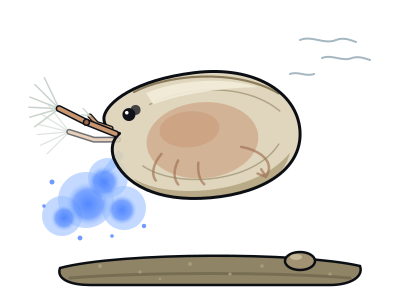
Picture a crustacean the size of a sesame seed, tucked inside a tiny two-part shell that is hinged along its back like a miniature clam. When something disturbs it, it squirts a bright blue glowing cloud into the sea. In Japan it is called umi-hotaru, which means "sea firefly". But it is not a firefly or any kind of insect. Its relatives on the tree include crabs, shrimps and barnacles, and, surprisingly, insects too.
Its glow does not shine from inside its body. A gland near its upper lip squirts out a light-making chemical and an enzyme. In the water they react with oxygen and give off cold blue light. The animal stays dark while the glowing cloud spreads outside its shell.
By day it hides in the sand of shallow coastal water around southern Japan. At night it comes out to feed. Its body stays tucked inside its shell. To swim, it pokes a pair of bristly antennae out through a notch at the front of the shell and rows with them like oars.
A glow that started a Nobel career
Dried sea fireflies glow again when they are wet. In 1956 a young scientist, Osamu Shimomura, used about 500 grams of dried ones to make the first pure crystals of their light-making chemical. He later shared the 2008 Nobel Prize in Chemistry for work on a glowing jellyfish protein.
A fish that borrows the light
A small fish called the golden sweeper gets its glow by eating a glowing ostracod related to the sea firefly. It keeps both the light chemical and the enzyme in its own light organs. In lab tests, scientists fed it sea fireflies. As far as scientists know, this is the first case of an animal reusing an enzyme from its food in this way.
Born live
A female's eggs hatch inside her, and she gives birth to live young. Because of this, and because they are weak swimmers, sea fireflies do not spread far from where they live.
Next to it on the tree
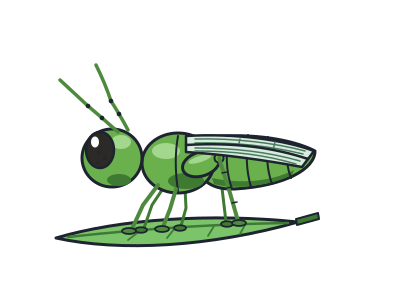
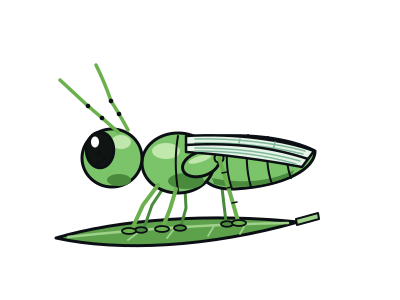
- InsectsSix legs, three body parts, and more known species than every other animal group combined.
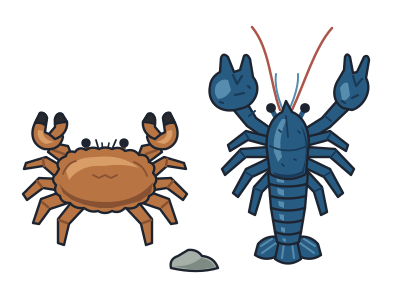
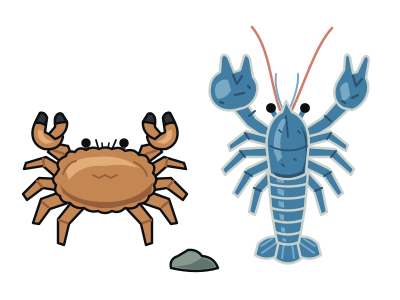
- Crabs, shrimps and kinThe big crustaceans: crabs, lobsters, shrimp, krill and even woodlice.
- Acorn barnacleA crustacean that glues its head to a rock and kicks food into its mouth with its feet.
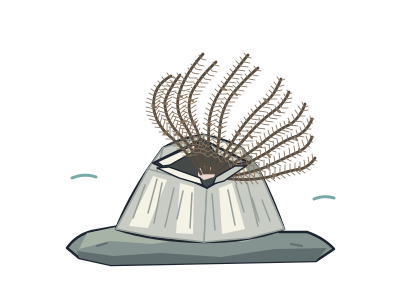
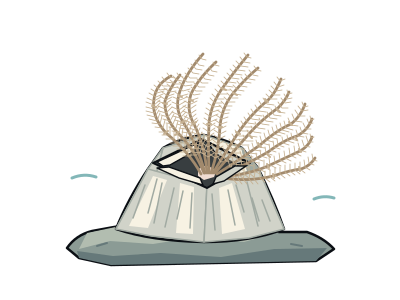
- CopepodRice-grain crustaceans that may be the most numerous animals in the sea.
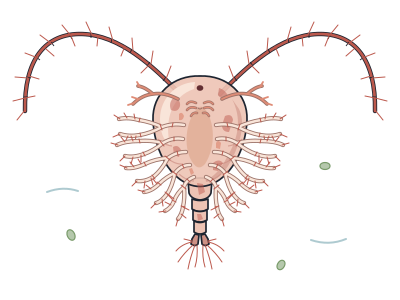
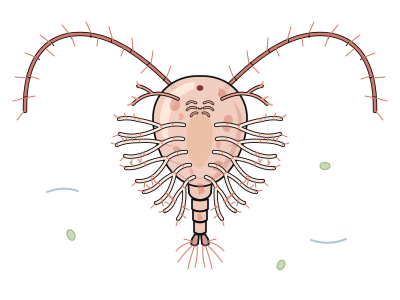
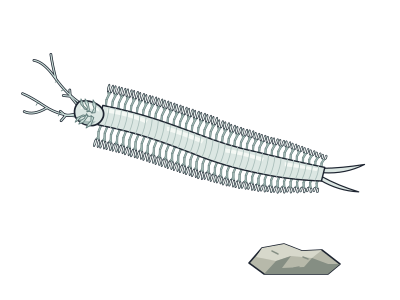
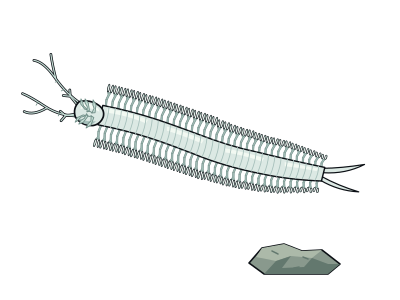
- RemipedeA blind, venomous cave crustacean that may be the closest living crustacean to insects.
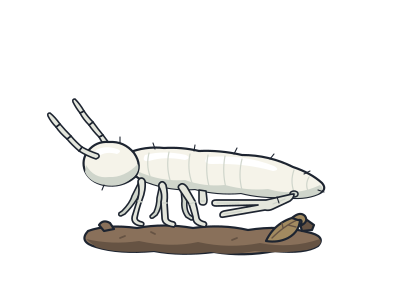
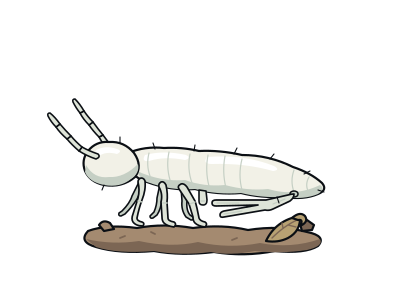
- SpringtailA tiny six-legged soil animal that flings itself away with a tail spring; not an insect.
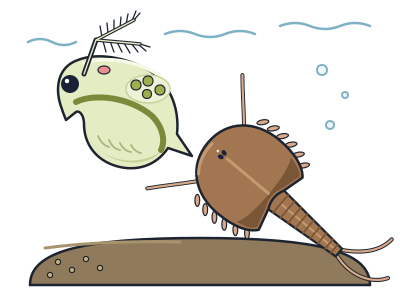
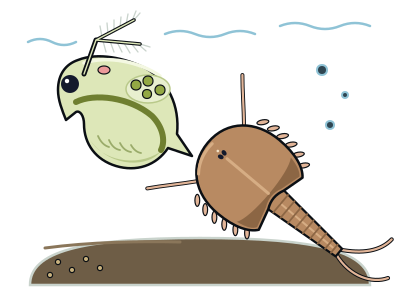
- Fairy shrimps and water fleasSmall crustaceans of ponds and puddles, many of whose eggs survive years of drought.
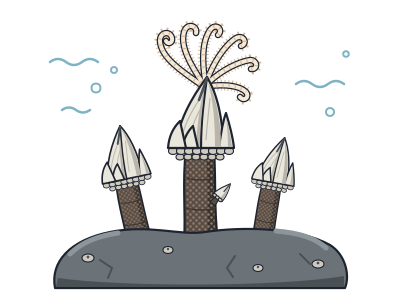
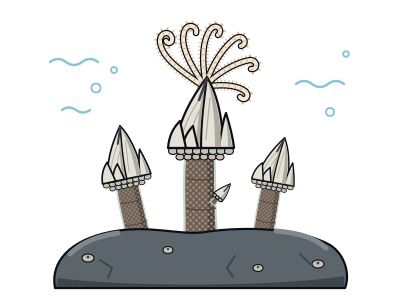
- Goose barnacleA barnacle on a leathery stalk that clings to wave-beaten rocks; in Spain it is a costly seafood.