A species
Springtail
Folsomia candida
Six legs, a spring-loaded escape—and not an insect.
You and the springtail meet in the Two-sided animals branch, shown at about 580 million years ago (on 11 November, in a calendar from life's shared ancestor to today).
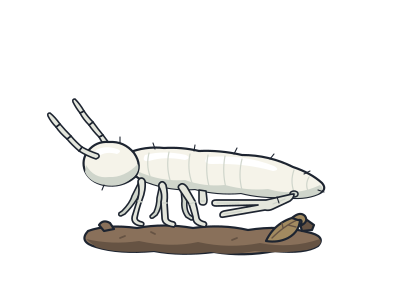
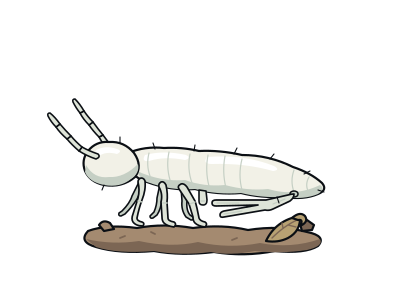
It has six legs, but this tiny soil animal is not an insect. Springtails are a separate group of insect relatives: having six legs does not make them insects. One difference is hidden in the head. A springtail’s mouthparts sit tucked inside folds, rather than being exposed as they are in insects.
Its escape trick comes from a fork folded underneath its body. A tiny catch holds the fork in place until it is released. The fork snaps against the ground, flinging the animal into the air to help it escape predators. This is not an ordinary tail or a coiled spring. And with no wings, the springtail is jumping, not flying.
This species has a slender, white body and lives in soils around the world. Its habitats include forest leaf litter, farmland and even caves. It feeds mainly on the fine threads of fungi, including fungi that live alongside plant roots.
A moisture-absorbing tube
A small tube beneath a springtail’s body absorbs moisture and helps control its water balance.
Still shedding as adults
Springtails keep shedding their outer covering even after reaching adulthood.
Young without mating
Females of this species can produce young from unfertilised eggs, without mating.
Next to it on the tree
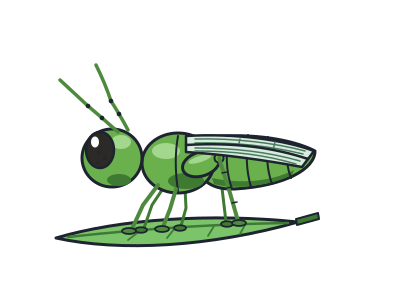
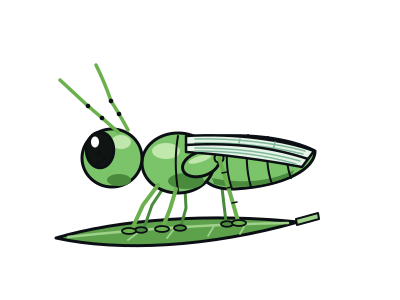
- InsectsSix legs, three body parts, and more known species than every other animal group combined.
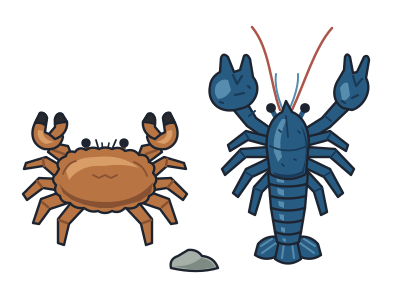
- Crabs, shrimps and kinThe big crustaceans: crabs, lobsters, shrimp, krill and even woodlice.
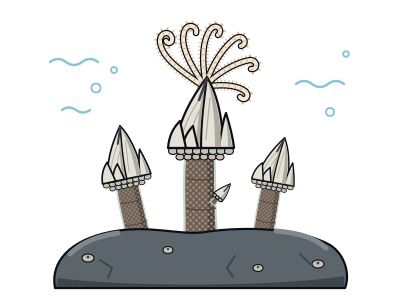
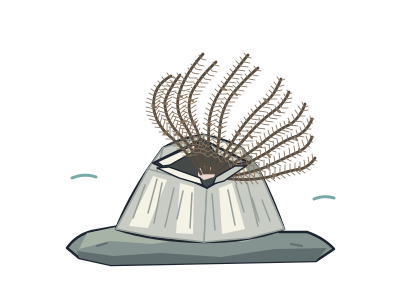
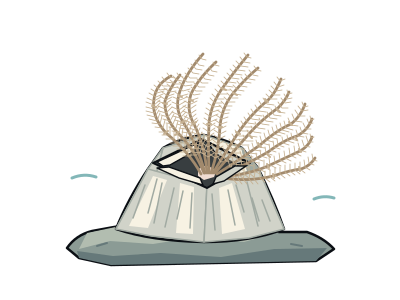
- Acorn barnacleA crustacean that glues its head to a rock and kicks food into its mouth with its feet.
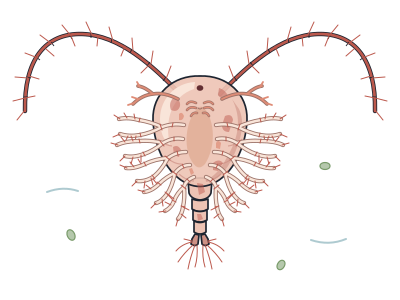
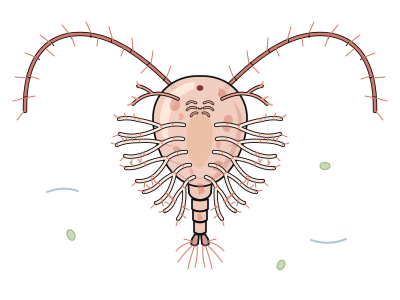
- CopepodRice-grain crustaceans that may be the most numerous animals in the sea.
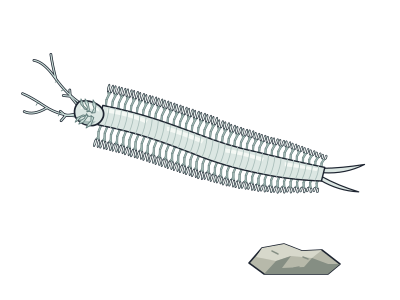
- RemipedeA blind, venomous cave crustacean that may be the closest living crustacean to insects.
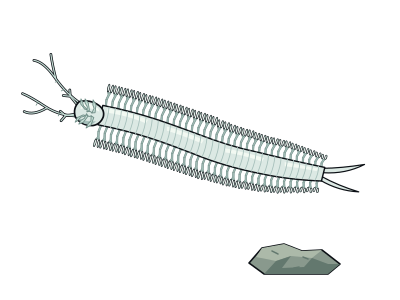
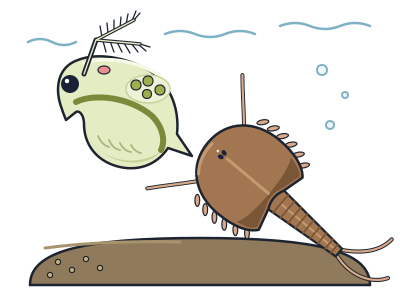
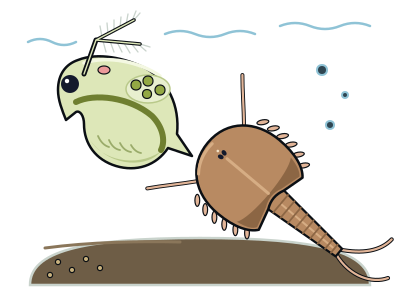
- Fairy shrimps and water fleasSmall crustaceans of ponds and puddles, many of whose eggs survive years of drought.
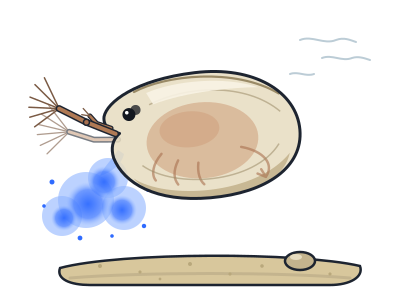
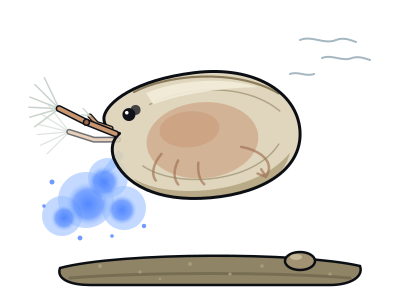
- Sea fireflyA seed-sized crustacean in a hinged shell that squirts out glowing blue clouds.
- Goose barnacleA barnacle on a leathery stalk that clings to wave-beaten rocks; in Spain it is a costly seafood.