A group of living things
Fairy shrimps and water fleas
Branchiopoda
Small pond crustaceans whose eggs can wait out years of drought
This branch is shown at about 430 million years ago; its age is a rough estimate.
You and fairy shrimps and water fleas meet in the Two-sided animals branch, shown at about 580 million years ago (on 11 November, in a calendar from life's shared ancestor to today).
Scoop a jar of water from a pond or a puddle and you may catch some of these small crustaceans. Most live in fresh water, and many live in pools that dry out. When the water vanishes, their tough eggs wait in the mud. Some can last through years of drought, then hatch when rain fills the pool again.
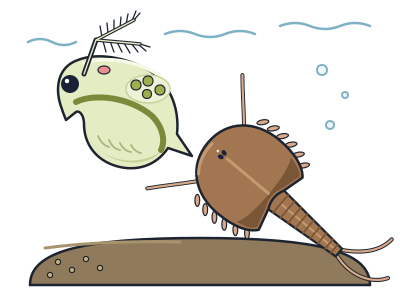
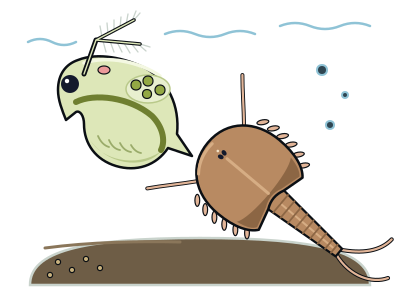
The group has four main kinds alive today: fairy shrimps (including brine shrimps, sold as 'Sea-Monkeys'), tadpole shrimps, water fleas and clam shrimps. Despite the names, none of them are true shrimps, and water fleas are not fleas. Here is the surprise: they belong to a group of crustaceans that also includes insects. That makes them closer relatives of insects than crabs and true shrimps are.
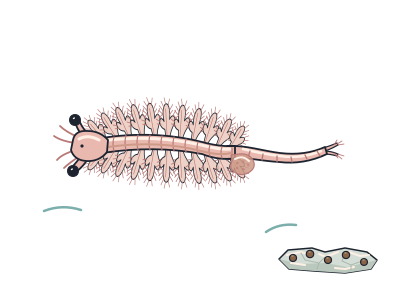
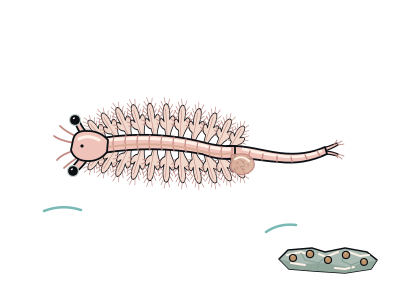
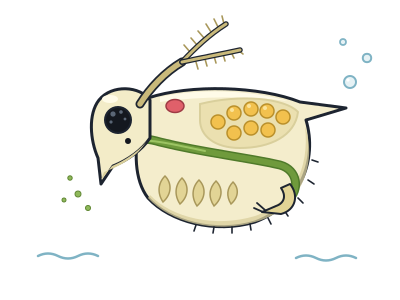
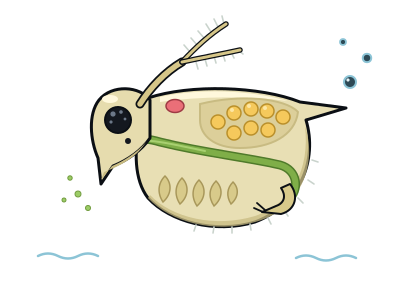
Most have many pairs of flat, leaf-like legs that beat in a steady rhythm. A water flea is often no bigger than a grain of rice. It sits inside a clear, hinged shell and rows itself along with feathery antennae, and you can see its heart beating through the shell. A tadpole shrimp has a broad, flat shell and a narrow tail, and the biggest grow about as long as a finger. Fairy shrimps have no shell at all and swim upside down.
Daughters without dads
Female water fleas can make daughters that are clones of themselves, with no males needed. Males mostly turn up when times get hard, such as cold weather or a pond drying out.
Growing up fast
Tadpole shrimps can moult several times in a single day and become adults in about two weeks. That speed helps when their pool may soon dry up.
Pollution testers
Water fleas are an important food link in many ponds and lakes. Scientists also use them in laboratories to test water for pollutants.
Inside fairy shrimps and water fleas
Next to it on the tree
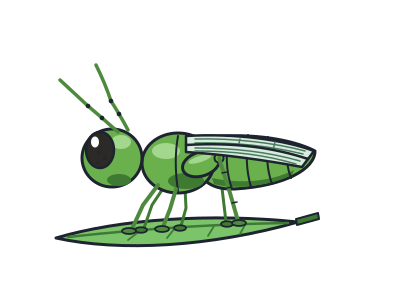
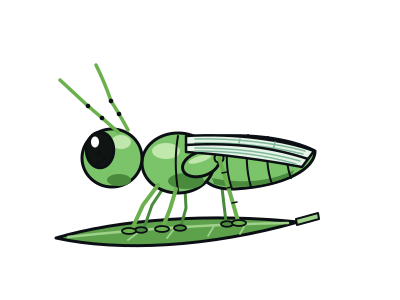
- InsectsSix legs, three body parts, and more known species than every other animal group combined.
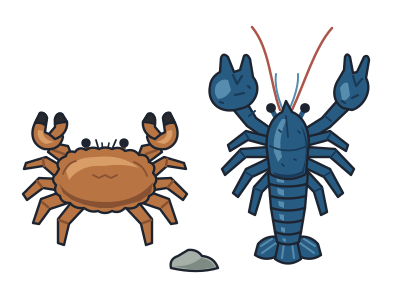
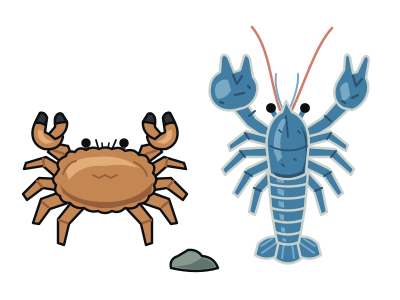
- Crabs, shrimps and kinThe big crustaceans: crabs, lobsters, shrimp, krill and even woodlice.
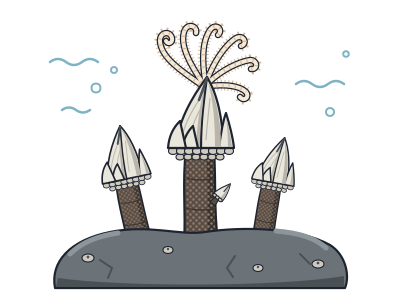
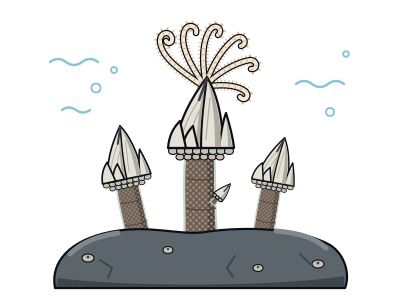
- Acorn barnacleA crustacean that glues its head to a rock and kicks food into its mouth with its feet.
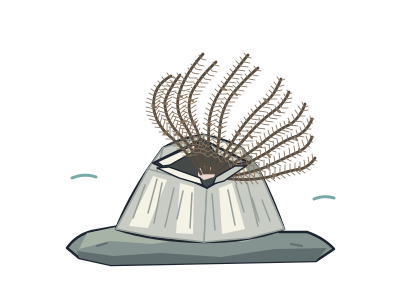
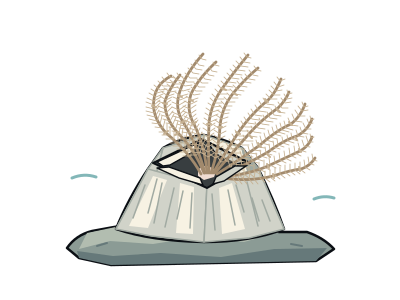
- CopepodRice-grain crustaceans that may be the most numerous animals in the sea.
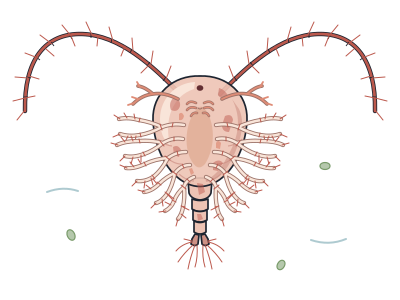
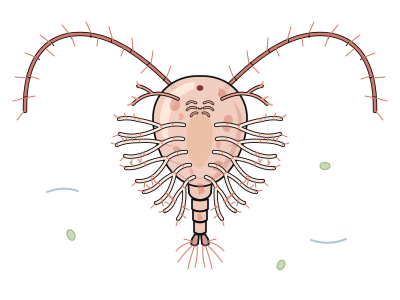
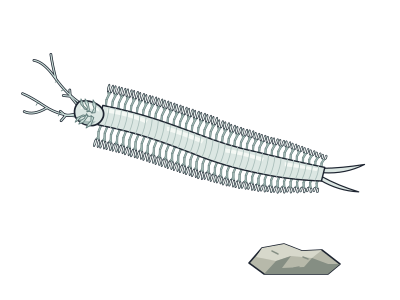
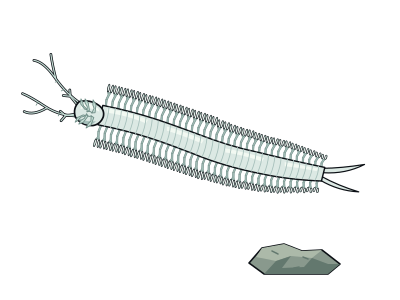
- RemipedeA blind, venomous cave crustacean that may be the closest living crustacean to insects.
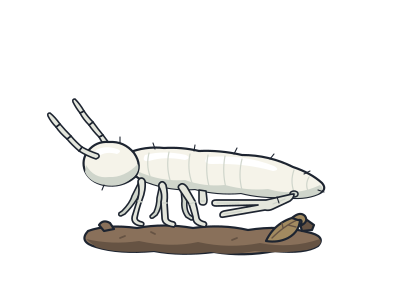
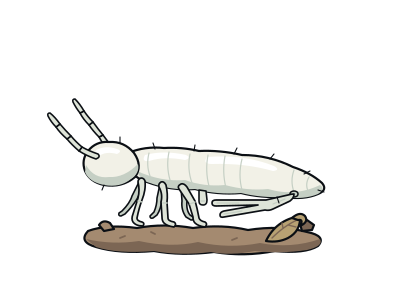
- SpringtailA tiny six-legged soil animal that flings itself away with a tail spring; not an insect.
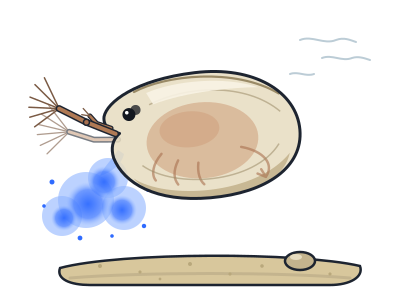
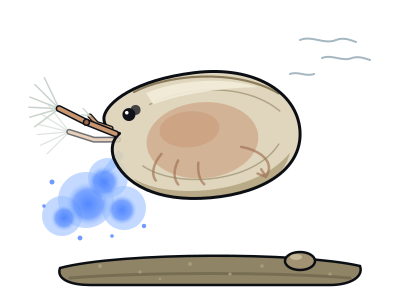
- Sea fireflyA seed-sized crustacean in a hinged shell that squirts out glowing blue clouds.
- Goose barnacleA barnacle on a leathery stalk that clings to wave-beaten rocks; in Spain it is a costly seafood.