A species
Brine shrimp
Artemia salina
Tiny swimmers whose eggs can survive dry for years.
You and the brine shrimp meet in the Two-sided animals branch, shown at about 580 million years ago (on 11 November, in a calendar from life's shared ancestor to today).
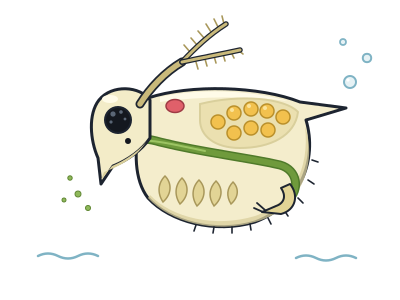
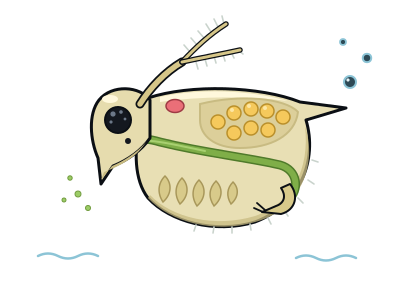
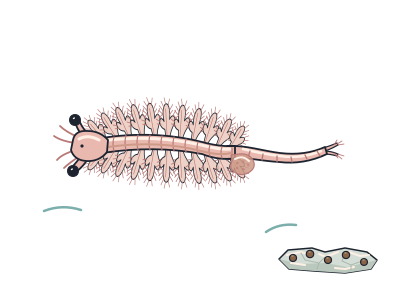
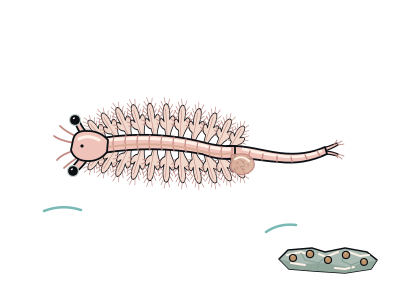
Brine shrimp are tiny crustaceans sold as ‘Sea-Monkeys’, although that pet name does not identify this particular species. Their remarkable trick is surviving dry for years as protected resting eggs. Despite their name, they belong to the fairy-shrimp group and are not close relatives of the larger shrimps people commonly eat.
Their home is very salty lakes, shallow pools and salt-making ponds, not the open sea. Such salty water keeps out many predators that cannot tolerate it. When a lake dries, tough-shelled resting eggs, called cysts, can remain inactive for several years. It is these protected eggs that survive drying, not the swimming adults.
In the water, adults beat 11 pairs of legs: 22 legs altogether. These legs do more than move them along. They also carry surfaces that take oxygen from the water. Brine shrimp feed by filtering tiny specks of food from the water.
One eye becomes three
Newly hatched brine shrimp have one eye. Two additional eyes develop as they grow.
Belly-up swimming
They normally swim upside down, with their legs pointing upwards.
Graspers, not claws
Males use an enlarged pair of antennae to hold a female during mating. These are not extra legs or claws.