A group of living things
Crabs, shrimps and kin
Malacostraca
From a lobster’s claws to a woodlouse under a rock
This branch is shown at about 470 million years ago; its age is a rough estimate.
You and crabs, shrimps and kin meet in the Two-sided animals branch, shown at about 580 million years ago (on 11 November, in a calendar from life's shared ancestor to today).
Think of the big, familiar crustaceans: crabs, lobsters and shrimps. This branch brings them together with krill, mantis shrimps and even woodlice. A woodlouse beneath a garden rock is not an insect. It belongs to the same wider group as a crab or lobster. And “big” is only an introduction: plenty of these animals are small.
Their homes stretch worldwide, through seawater, freshwater and onto land. Their meals are just as varied. Some hunt, some eat plants, some scavenge, and others filter food from the water. There is no single habitat or diet that describes the whole group.
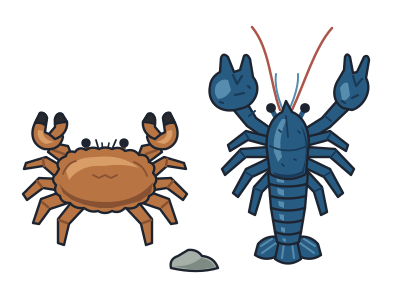
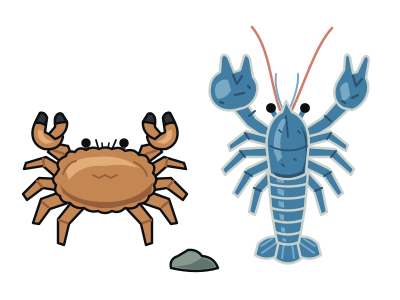
Picture a crab beside a European lobster. They belong here despite their different shapes. The living lobster is normally deep blue, with long red feelers and two unequal front claws: one thick for crushing, the other slimmer for tearing. It shelters among rocks during the day and comes out to feed at night.
Fourteen walking legs
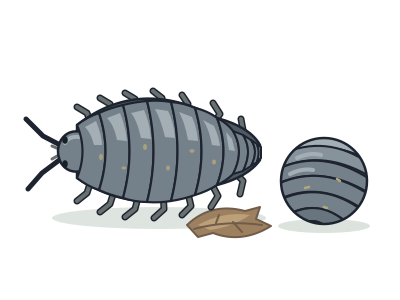
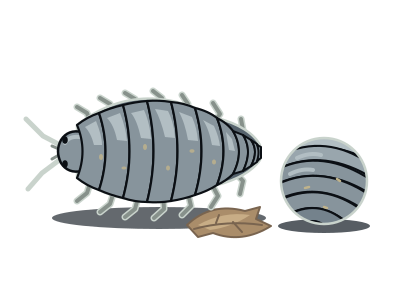
Adult woodlice have seven pairs of walking legs—fourteen legs rather than an insect’s six.
Replacement limbs
Lobsters can regrow lost limbs as they shed and replace their outer skeleton while growing.
Eggs carried underneath
Female European lobsters can carry fertilised eggs beneath their bodies for up to about a year before they hatch.
Inside crabs, shrimps and kin
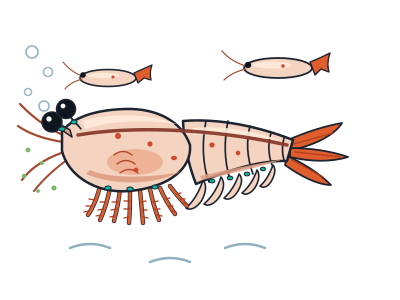
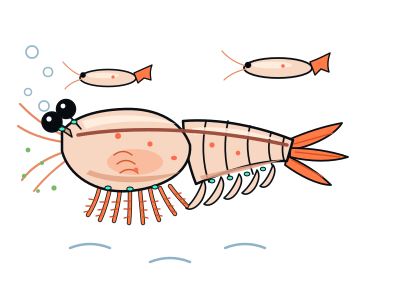
- Antarctic krillFinger-length shrimp-like animals that together outweigh almost any other wild animal and feed the great whales.
- Pill woodlouseA garden crustacean that rolls into a ball and still breathes through gill-like plates.
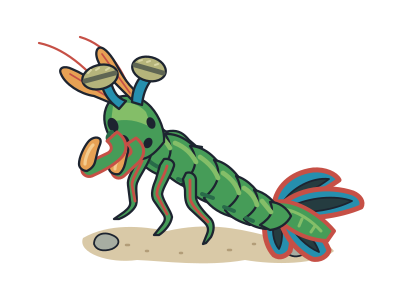
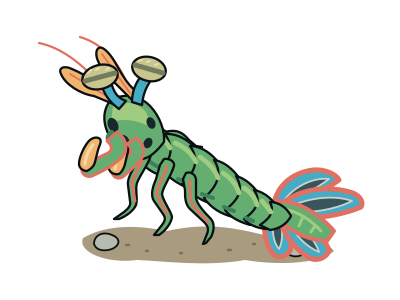
- Peacock mantis shrimpThrows one of the fastest punches in nature, and sees ultraviolet and polarised light.
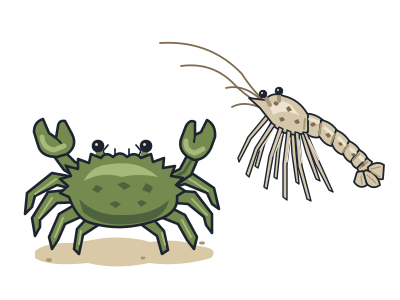
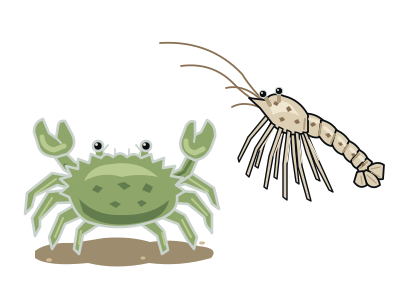
- Crabs, lobsters and shrimpTen-legged crustaceans; the crab shape evolved at least five separate times.
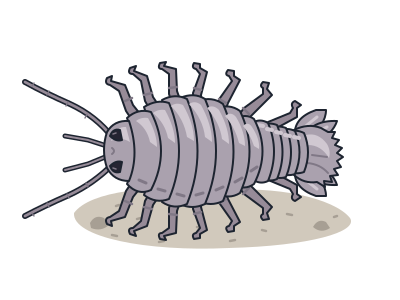
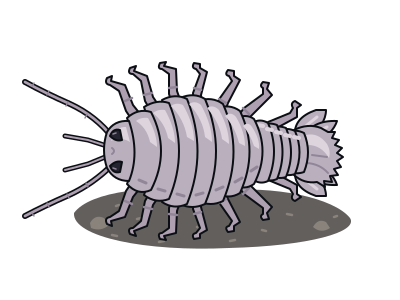
- Giant isopodA deep-sea woodlouse relative as big as a shoe that can go years without eating.
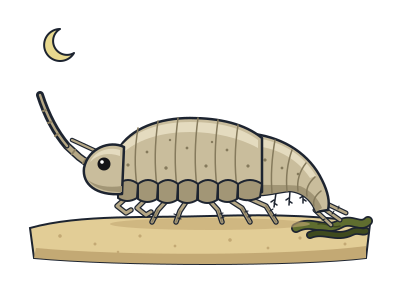
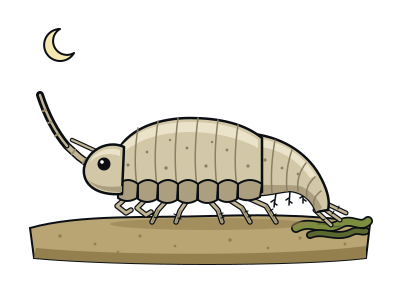
- SandhopperThe tiny jumping crustacean of beaches that steers home by the sun and moon.
Next to it on the tree
- InsectsSix legs, three body parts, and more known species than every other animal group combined.
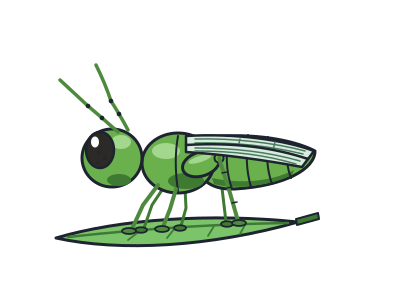
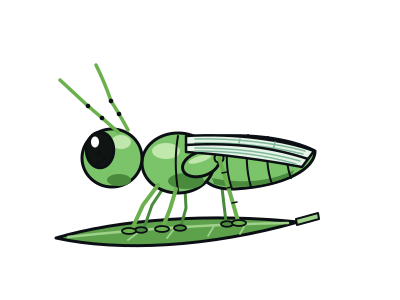
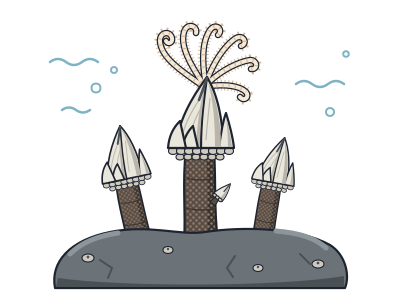
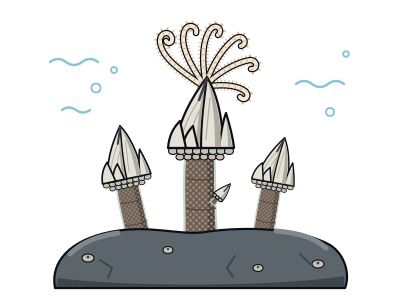
- Acorn barnacleA crustacean that glues its head to a rock and kicks food into its mouth with its feet.
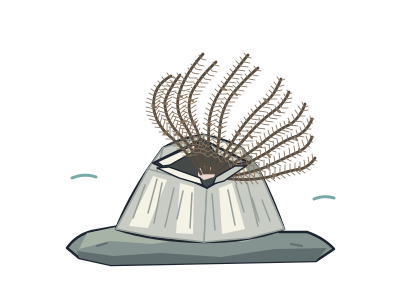
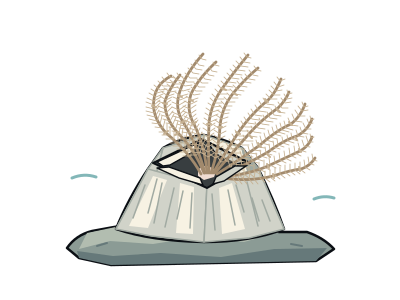
- CopepodRice-grain crustaceans that may be the most numerous animals in the sea.
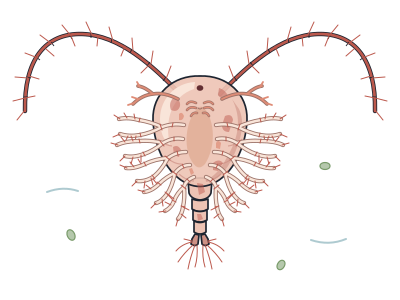
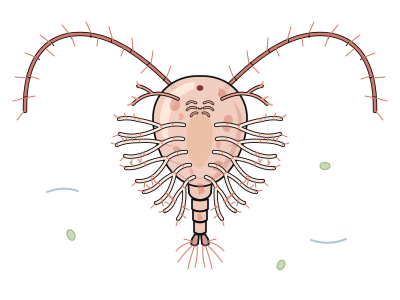
- RemipedeA blind, venomous cave crustacean that may be the closest living crustacean to insects.
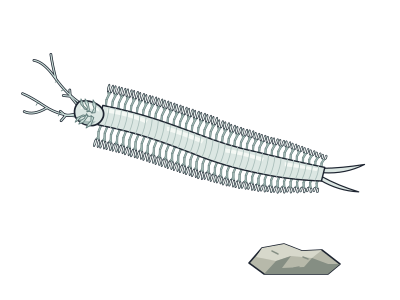
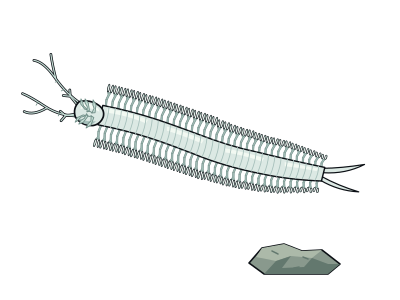
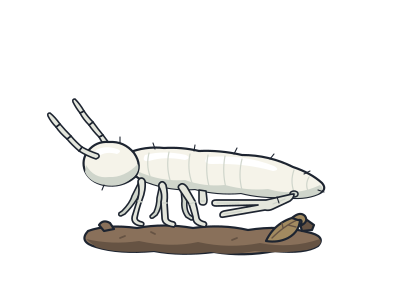
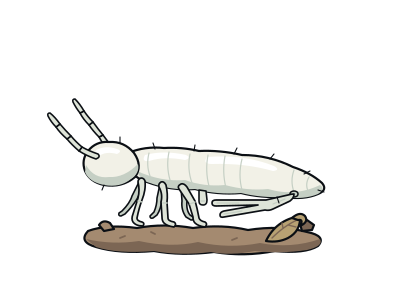
- SpringtailA tiny six-legged soil animal that flings itself away with a tail spring; not an insect.
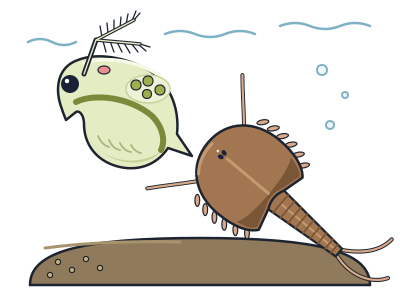
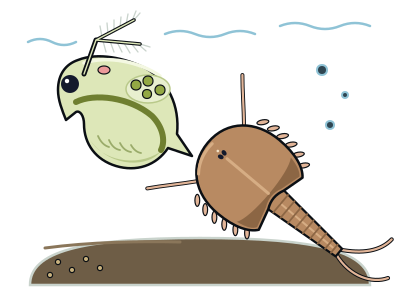
- Fairy shrimps and water fleasSmall crustaceans of ponds and puddles, many of whose eggs survive years of drought.
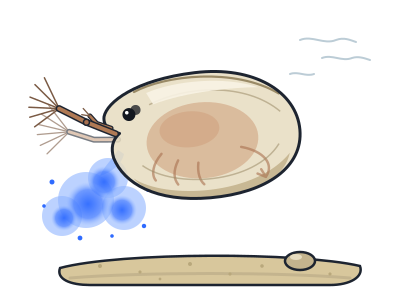
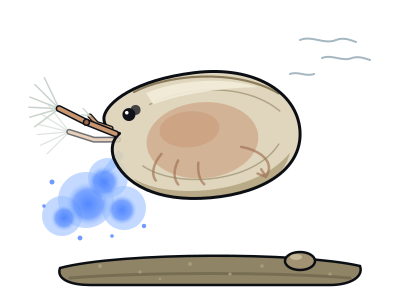
- Sea fireflyA seed-sized crustacean in a hinged shell that squirts out glowing blue clouds.
- Goose barnacleA barnacle on a leathery stalk that clings to wave-beaten rocks; in Spain it is a costly seafood.